



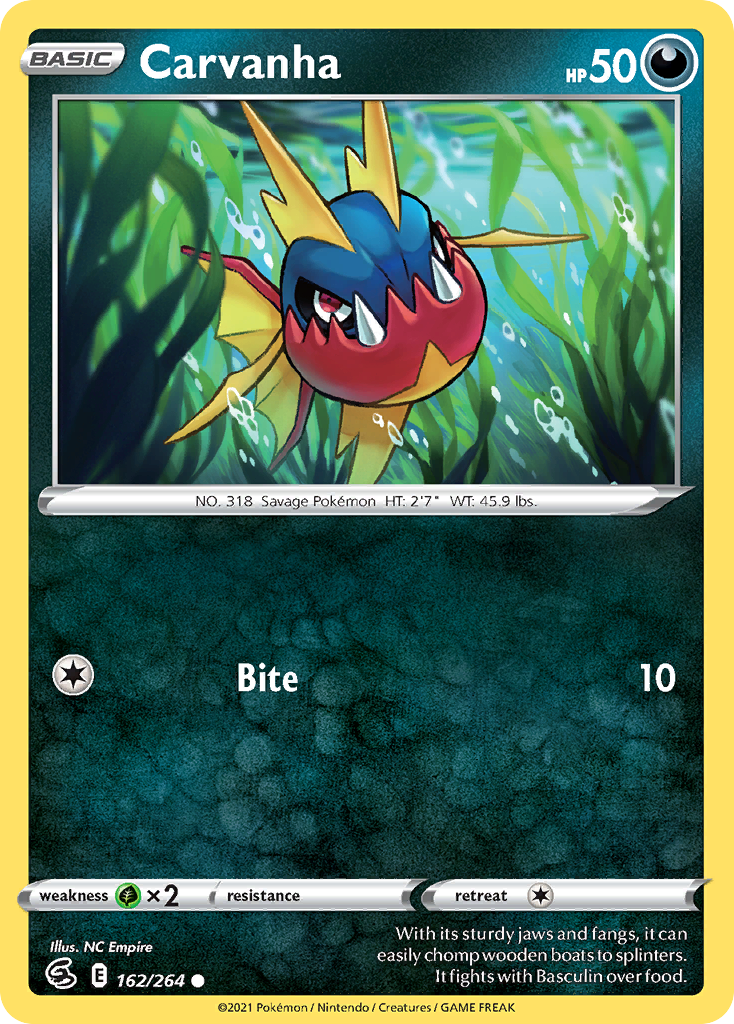
Carvanha

With its sturdy jaws and fangs, it can easily chomp wooden boats to splinters. It fights with Basculin over food.

| Supertype | Pokémon |
|---|---|
| Subtype | Basic |
| HP | 50 |
| Types | Darkness |
| Attack | Bite |
| Attack cost | Colorless |
| Artist | NC Empire |
| Rarity | Common |
| Pokédex | 318 |
| Evolves to | Sharpedo |
Vendor Information
- Store Name: DutchGem
- Vendor: DutchGem
-
Address:
gekkestraat
179
2345GT Utrecht
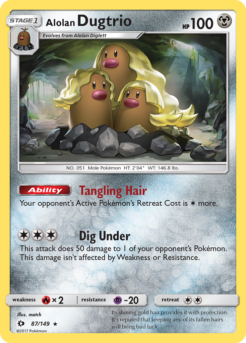
Sun & Moon
Its shining gold hair provides it with protection. It's reputed that keeping any of its fallen hairs will bring bad luck.
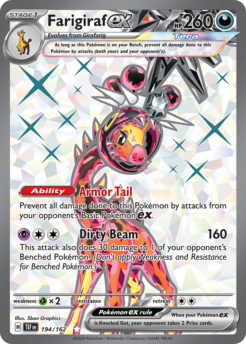
Scarlet & Violet
This attack also does 30 damage to 1 of your opponent’s Benched Pokémon. (Don’t apply Weakness and Resistance for Benched Pokémon.)
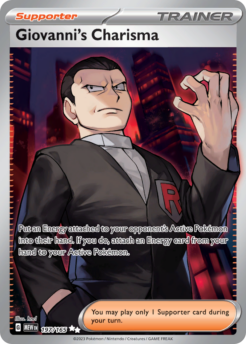

Paldea Evolved
Frigibax absorbs heat through its dorsal fin and converts the heat into ice energy. The higher the temperature, the more energy Frigibax stores.
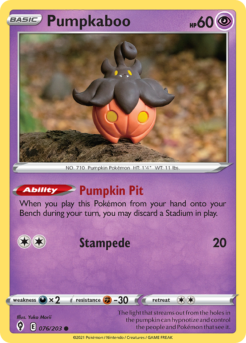
Evolving Skies
The light that streams out from the holes in the pumpkin can hypnotize and control the people and Pokémon that see it.

Forbidden Light
With fiery breath of more than 10,000 degrees Fahrenheit, they viciously threaten any challenger. The females protect the pride's cubs.
Produtos Relacionados
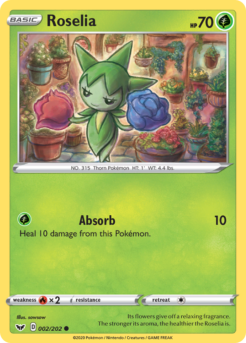
Sword & Shield
Its flowers give off a relaxing fragrance. The stronger its aroma, the healthier the Roselia is.
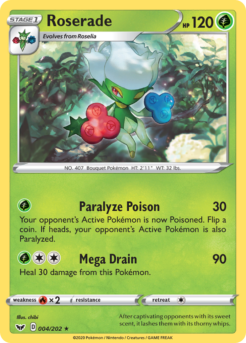
Sword & Shield
After captivating opponents with its sweet scent, it lashes them with its thorny whips.
Sword & Shield
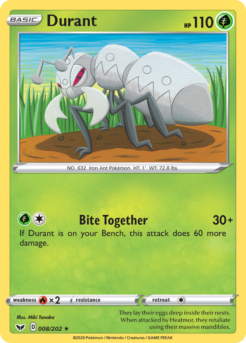
They lay their eggs deep inside their nests. When attacked by Heatmor, they retaliate using their massive mandibles.

Sword & Shield
By drumming, it taps into the power of its special tree stump. The roots of the stump follow its direction in battle.

Sword & Shield
Its venom sacs produce a fluid that this Pokémon then heats up with the flame in its tail. This process creates Salandit's poisonous gas.

Sword & Shield
It whirls around in the wind while singing a joyous song. This delightful display has charmed many into raising this Pokémon.
Sword & Shield
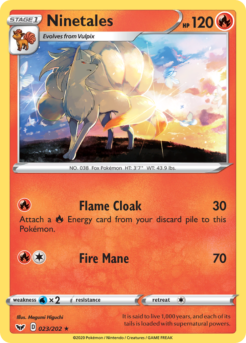
It is said to live 1,000 years, and each of its tails is loaded with supernatural powers.

Sword & Shield
When it uses its special stick to strike up a beat, the sound waves produced carry revitalizing energy to the plants and flowers in the area.