



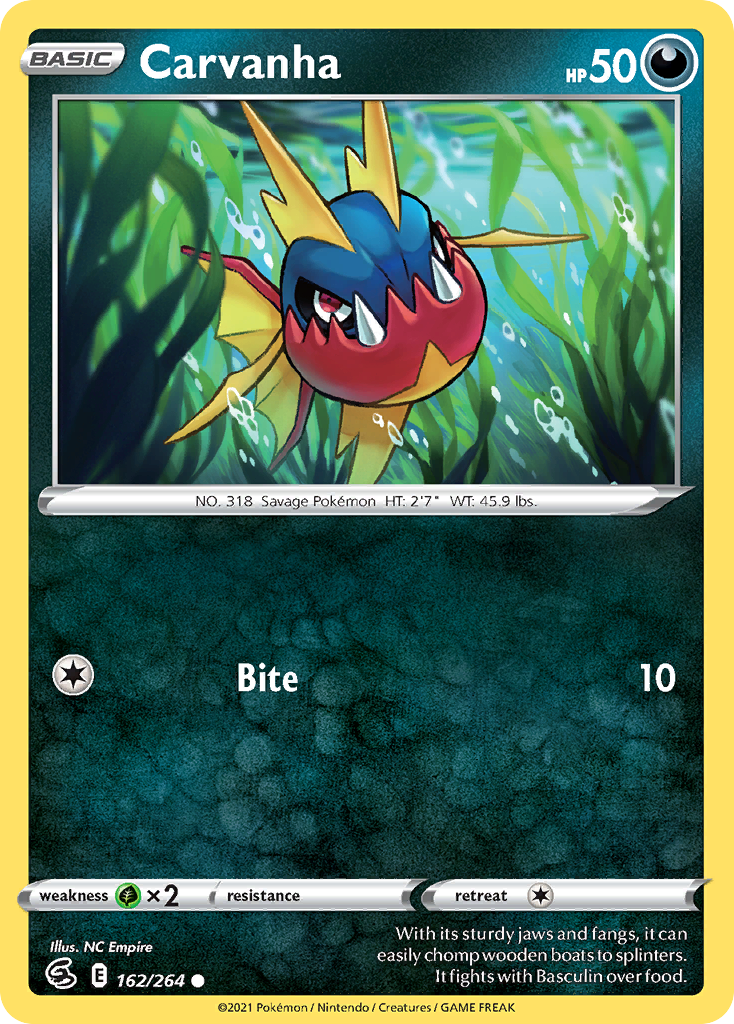
Carvanha
With its sturdy jaws and fangs, it can easily chomp wooden boats to splinters. It fights with Basculin over food.
| Supertype | Pokémon |
|---|---|
| Subtype | Basic |
| HP | 50 |
| Types | Darkness |
| Attack | Bite |
| Attack cost | Colorless |
| Artist | NC Empire |
| Rarity | Common |
| Pokédex | 318 |
| Evolves to | Sharpedo |
Vendor Information
- Store Name: DutchGem
- Vendor: DutchGem
-
Address:
gekkestraat
179
2345GT Utrecht

Paldea Evolved
This attack does 50 damage to 1 of your opponent’s Pokémon. (Don’t apply Weakness and Resistance for Benched Pokémon.)
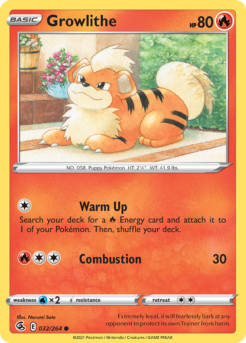
Fusion Strike
Extremely loyal, it will fearlessly bark at any opponent to protect its own Trainer from harm.
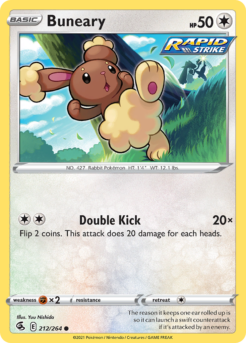
Fusion Strike
The reason it keeps one ear rolled up is so it can launch a swift counterattack if it's attacked by an enemy.
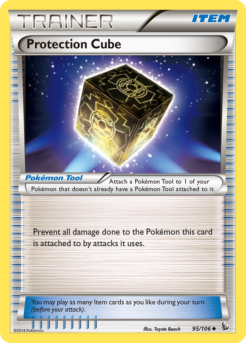
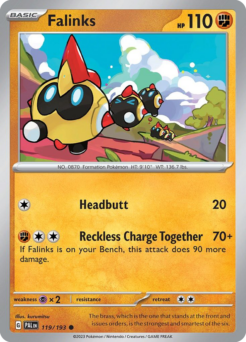
Paldea Evolved
The brass, which is the one that stands at the front and issues orders, is the strongest and smartest of the six.
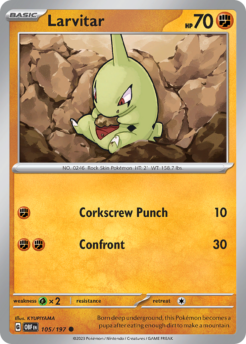
Obsidian Flames
Born deep underground, this Pokémon becomes a pupa after eating enough dirt to make a mountain.
Tutustu myös
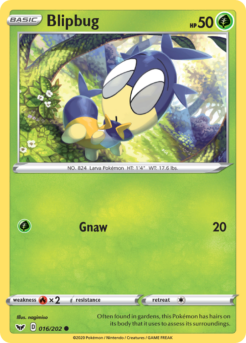
Sword & Shield
Often found in gardens, this Pokémon has hairs on its body that it uses to assess its surroundings.
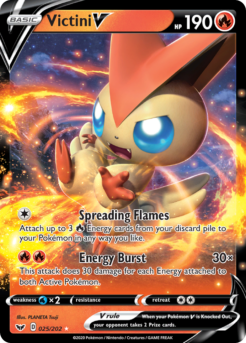
Sword & Shield
Attach up to 3 Fire Energy cards from your discard pile to your Pokémon in any way you like.
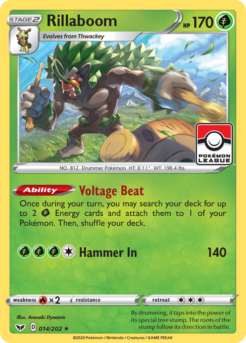
Sword & Shield
By drumming, it taps into the power of its special tree stump. The roots of the stump follow its direction in battle.
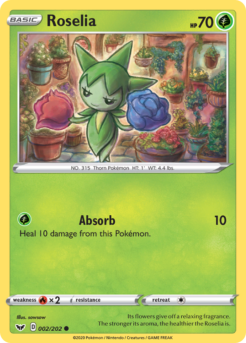
Sword & Shield
Its flowers give off a relaxing fragrance. The stronger its aroma, the healthier the Roselia is.
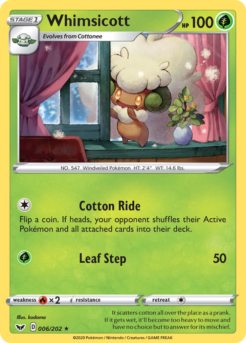
Sword & Shield
It scatters cotton all over the place as a prank. If it gets wet, it'll become too heavy to move and have no choice but to answer for its mischief.
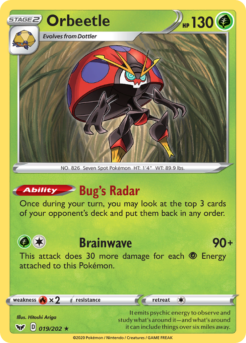
Sword & Shield
It emits psychic energy to observe and study what's around it—and what's around it can include things over six miles away.
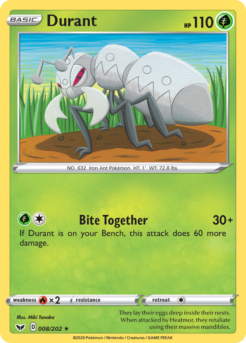
Sword & Shield
They lay their eggs deep inside their nests. When attacked by Heatmor, they retaliate using their massive mandibles.
Sword & Shield
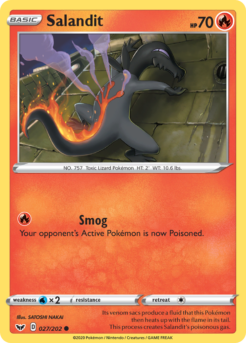
Its venom sacs produce a fluid that this Pokémon then heats up with the flame in its tail. This process creates Salandit's poisonous gas.