



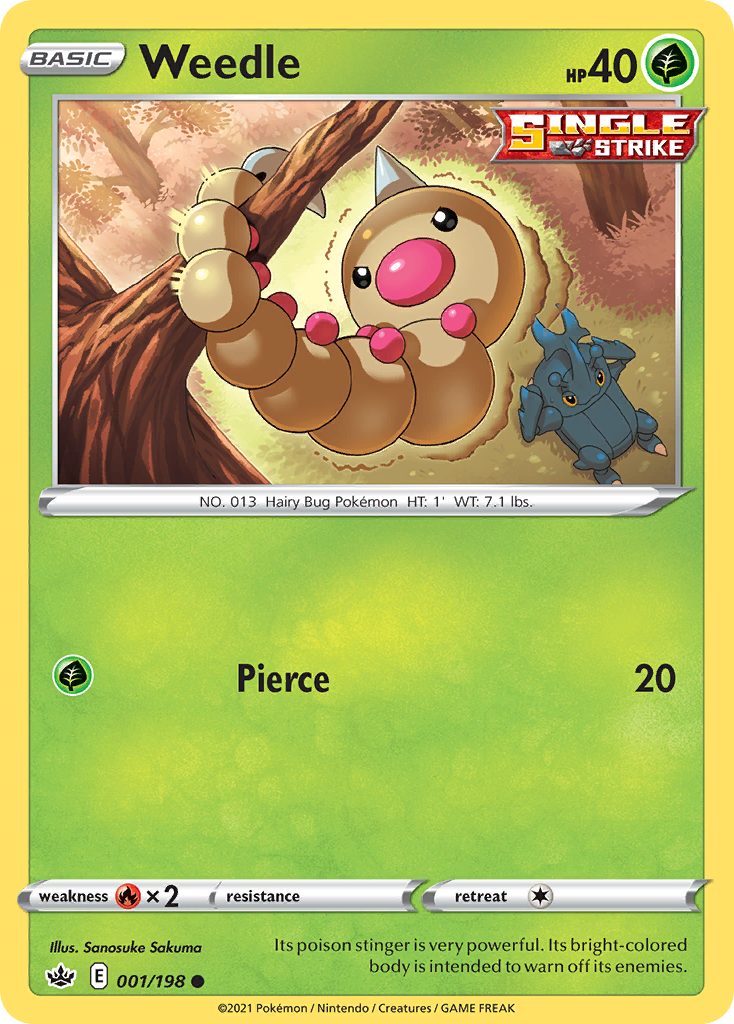
Weedle
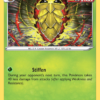
Its poison stinger is very powerful. Its bright-colored body is intended to warn off its enemies.
| Supertype | Pokémon |
|---|---|
| Subtype | Basic |
| HP | 40 |
| Types | Grass |
| Attack | Pierce |
| Attack cost | Grass |
| Artist | Sanosuke Sakuma |
| Rarity | Common |
| Pokédex | 13 |
| Evolves to | Kakuna |
Vendor Information
- Store Name: DutchGem
- Vendor: DutchGem
-
Address:
gekkestraat
179
2345GT Utrecht
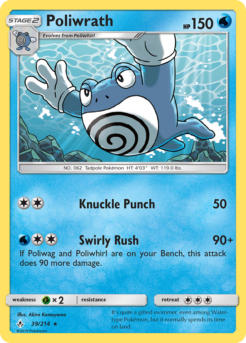
Sun & Moon
It's quite a gifted swimmer, even among Water-type Pokémon, but it normally spends its time on land.
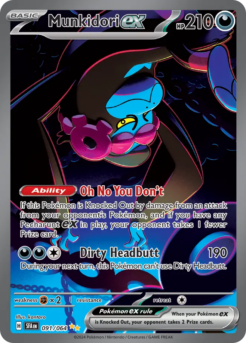
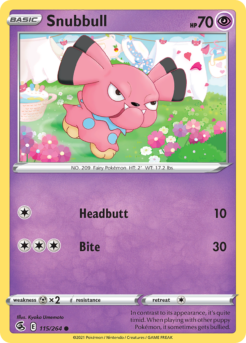
Fusion Strike
In contrast to its appearance, it's quite timid. When playing with other puppy Pokémon, it sometimes gets bullied.
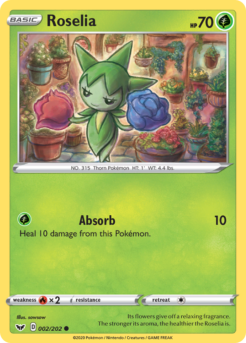
Sword & Shield
Its flowers give off a relaxing fragrance. The stronger its aroma, the healthier the Roselia is.
Lost Origin
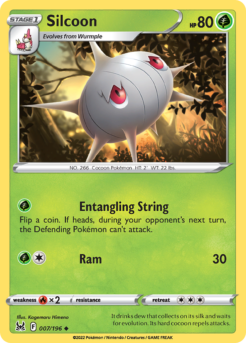
It drinks dew that collects on its silk and waits for evolution. Its hard cocoon repels attacks.
Scarlet & Violet
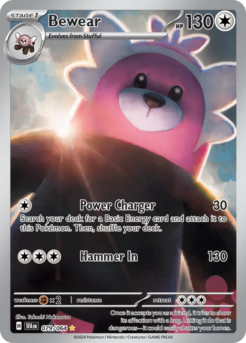
Search your deck for a Basic Energy card and attach it to this Pokémon. Then, shuffle your deck.
Produtos Relacionados
Sword & Shield
Its flowers give off a relaxing fragrance. The stronger its aroma, the healthier the Roselia is.
Sword & Shield
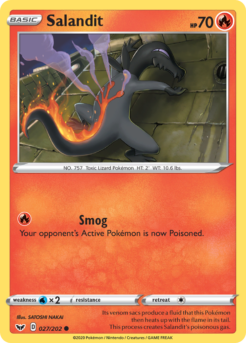
Its venom sacs produce a fluid that this Pokémon then heats up with the flame in its tail. This process creates Salandit's poisonous gas.
Sword & Shield
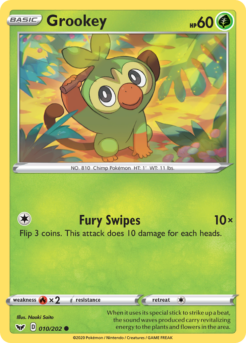
When it uses its special stick to strike up a beat, the sound waves produced carry revitalizing energy to the plants and flowers in the area.
Sword & Shield
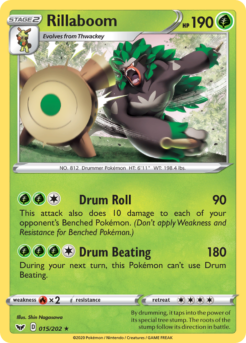
By drumming, it taps into the power of its special tree stump. The roots of the stump follow its direction in battle.
Sword & Shield
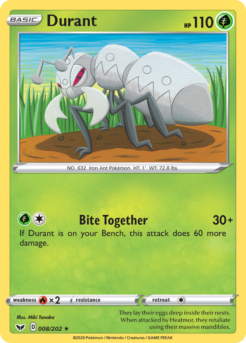
They lay their eggs deep inside their nests. When attacked by Heatmor, they retaliate using their massive mandibles.
Sword & Shield
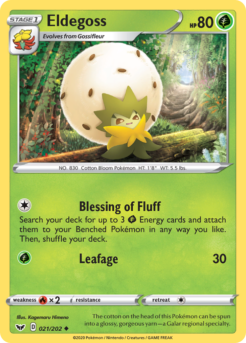
The cotton on the head of this Pokémon can be spun into a glossy, gorgeous yarn—a Galar regional specialty.
Sword & Shield
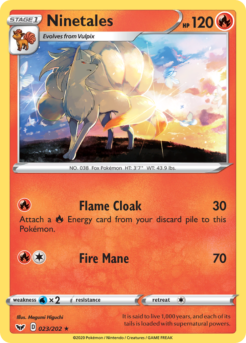
It is said to live 1,000 years, and each of its tails is loaded with supernatural powers.
Sword & Shield
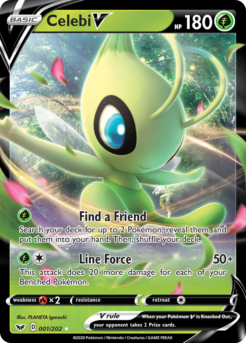
Search your deck for up to 2 Pokémon, reveal them, and put them into your hand. Then, shuffle your deck.