



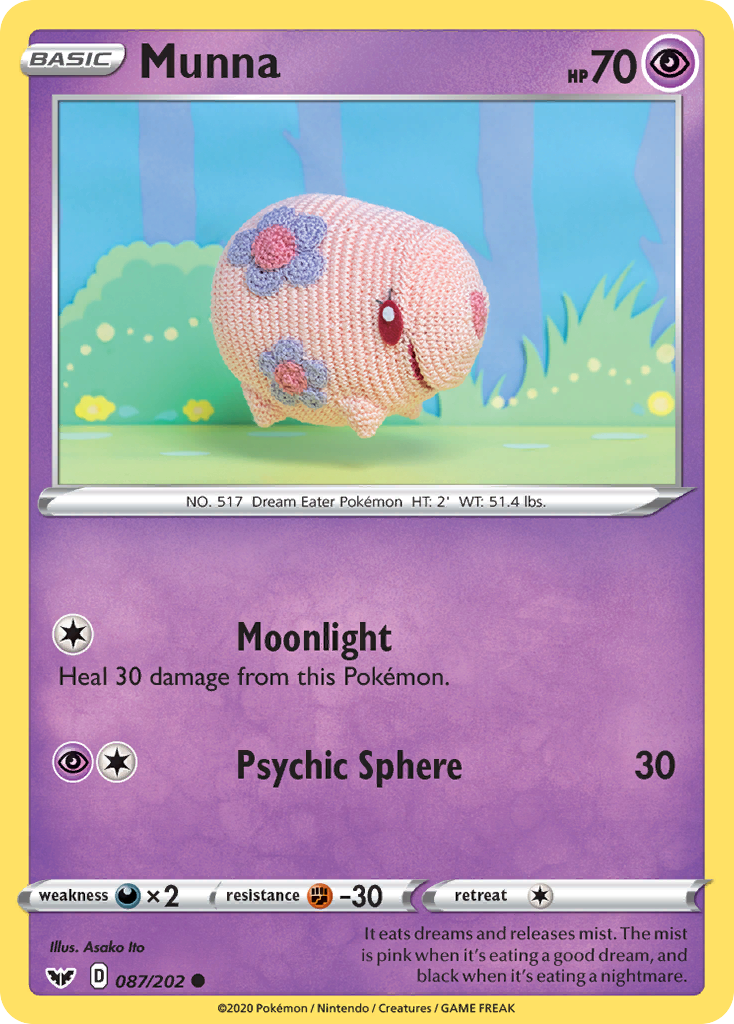
Munna
It eats dreams and releases mist. The mist is pink when it’s eating a good dream, and black when it’s eating a nightmare.
Heal 30 damage from this Pokémon.
| Supertype | Pokémon |
|---|---|
| Subtype | Basic |
| HP | 70 |
| Types | Psychic |
| Attack | Moonlight |
| Attack cost | Colorless |
| Artist | Asako Ito |
| Rarity | Common |
| Pokédex | 517 |
| Evolves to | Musharna |
Vendor Information
- Store Name: DutchGem
- Vendor: DutchGem
-
Address:
gekkestraat
179
2345GT Utrecht
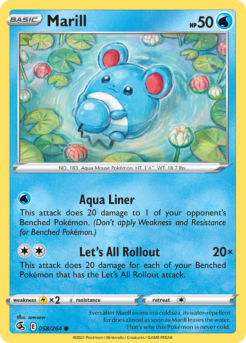
Fusion Strike
Even after Marill swims in a cold sea, its water- repellent fur dries almost as soon as Marill leaves the water. That's why this Pokémon is never cold.
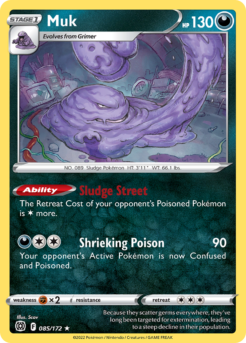
Brilliant Stars
Because they scatter germs everywhere, they've long been targeted for extermination, leading to a steep decline in their population.
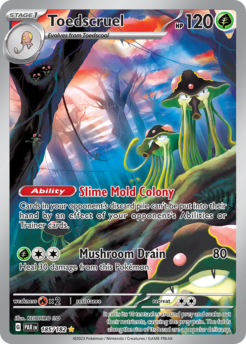
Paradox Rift
It coils its 10 tentacles around prey and sucks out their nutrients, causing the prey pain. The folds along the rim of its head are a popular delicacy.
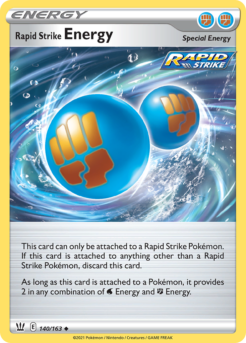
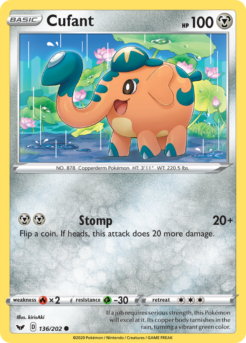
Sword & Shield
If a job requires serious strength, this Pokémon will excel at it. Its copper body tarnishes in the rain, turning a vibrant green color.
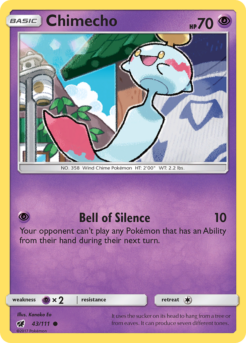
Crimson Invasion
It uses the sucker on its head to hang from a tree or from eaves. It can produce seven different tones.
Produtos Relacionados
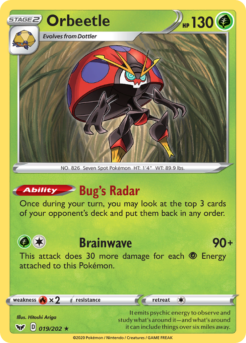
Sword & Shield
It emits psychic energy to observe and study what's around it—and what's around it can include things over six miles away.
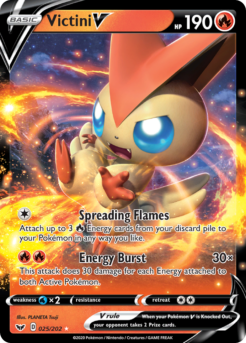
Sword & Shield
Attach up to 3 Fire Energy cards from your discard pile to your Pokémon in any way you like.
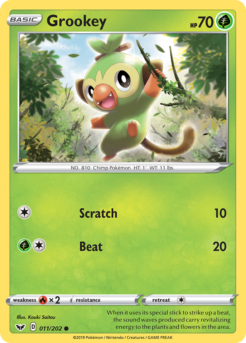
Sword & Shield
When it uses its special stick to strike up a beat, the sound waves produced carry revitalizing energy to the plants and flowers in the area.
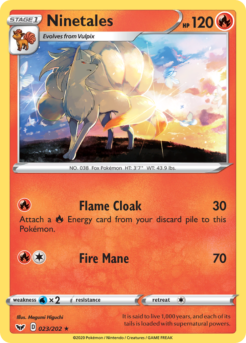
Sword & Shield
It is said to live 1,000 years, and each of its tails is loaded with supernatural powers.
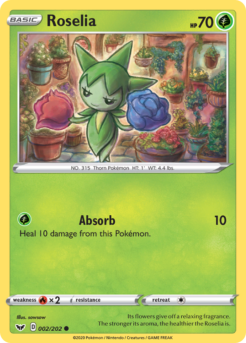
Sword & Shield
Its flowers give off a relaxing fragrance. The stronger its aroma, the healthier the Roselia is.
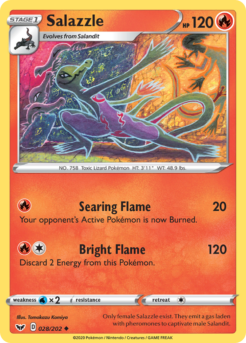
Sword & Shield
Only female Salazzle exist. They emit a gas laden with pheromones to captivate male Salandit.
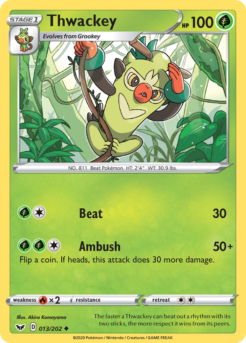
Sword & Shield
The faster a Thwackey can beat out a rhythm with its two sticks, the more respect it wins from its peers.
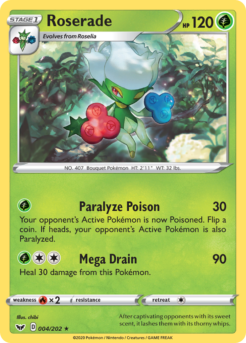
Sword & Shield
After captivating opponents with its sweet scent, it lashes them with its thorny whips.