



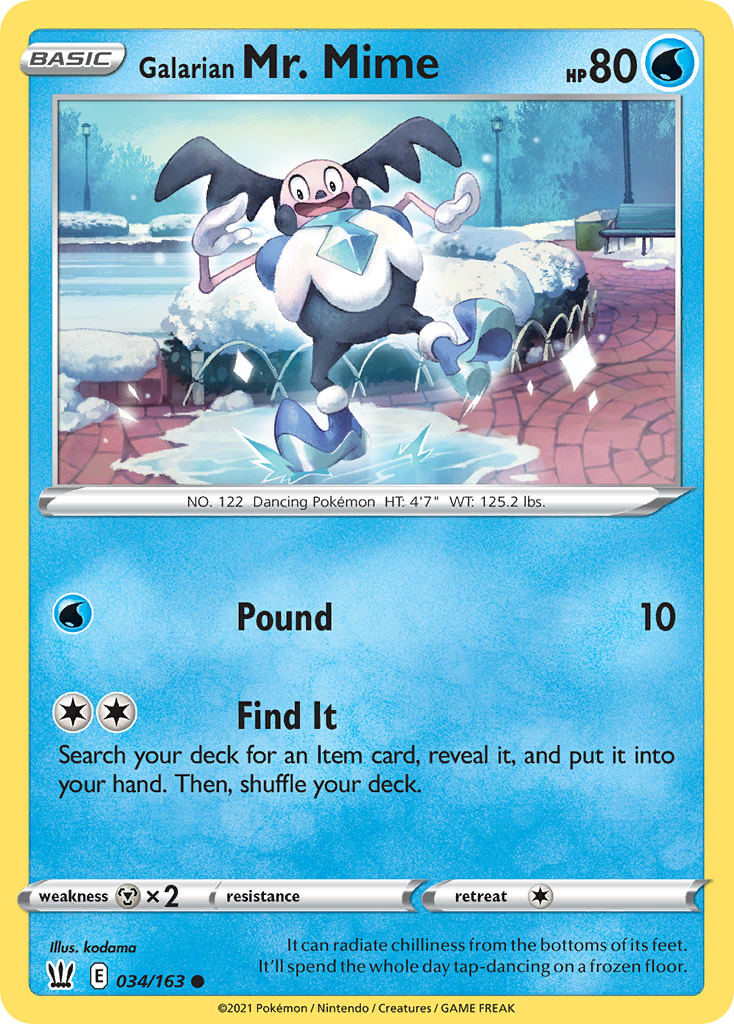
Galarian Mr. Mime
It can radiate chilliness from the bottoms of its feet. It’ll spend the whole day tap-dancing on a frozen floor.
| Supertype | Pokémon |
|---|---|
| Subtype | Basic |
| HP | 80 |
| Types | Water |
| Attack | Pound |
| Attack cost | Water |
| Artist | kodama |
| Rarity | Common |
| Pokédex | 122 |
| Evolves to | Mr. Rime |
Vendor Information
- Store Name: DutchGem
- Vendor: DutchGem
-
Address:
gekkestraat
179
2345GT Utrecht
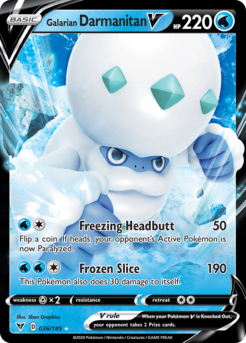
Sword & Shield
Flip a coin. If heads, your opponent’s Active Pokémon is now Paralyzed.
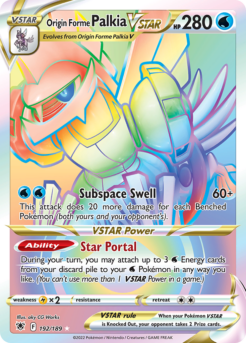
Astral Radiance
This attack does 20 more damage for each Benched Pokémon (both yours and your opponent’s).
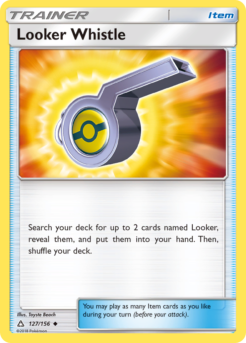
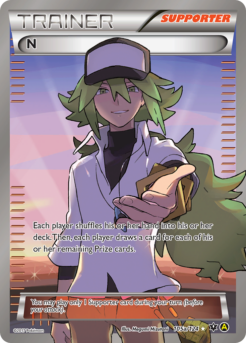
Ancient Origins
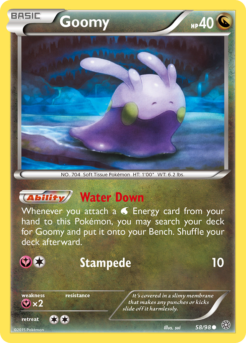
It's covered in a slimy membrane that makes any punches or kicks slide off it harmlessly.
Produtos Relacionados
Sword & Shield
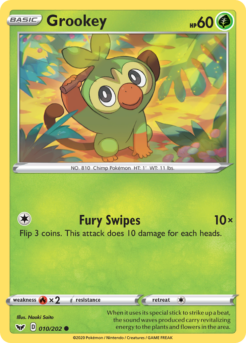
When it uses its special stick to strike up a beat, the sound waves produced carry revitalizing energy to the plants and flowers in the area.
Sword & Shield
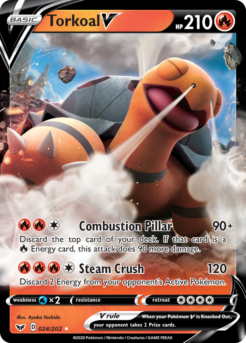
Discard the top card of your deck. If that card is a Fire Energy card, this attack does 90 more damage.
Sword & Shield
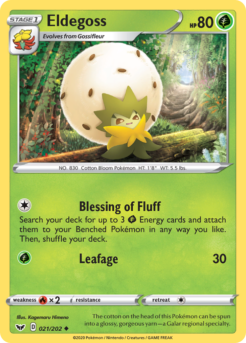
The cotton on the head of this Pokémon can be spun into a glossy, gorgeous yarn—a Galar regional specialty.
Sword & Shield
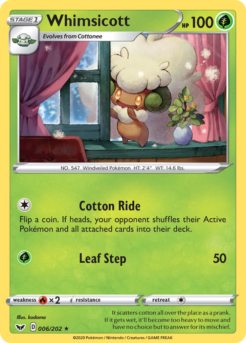
It scatters cotton all over the place as a prank. If it gets wet, it'll become too heavy to move and have no choice but to answer for its mischief.
Sword & Shield
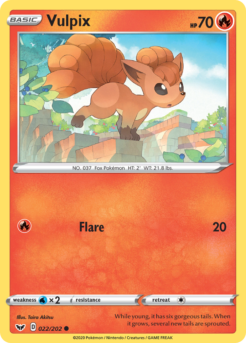
While young, it has six gorgeous tails. When it grows, several new tails are sprouted.
Sword & Shield
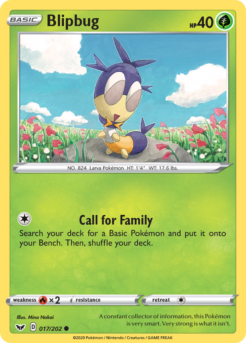
A constant collector of information, this Pokémon is very smart. Very strong is what it isn't.
Sword & Shield
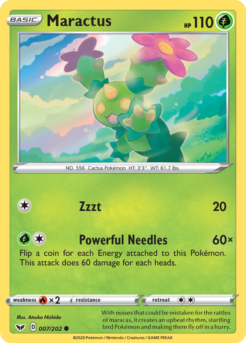
With noises that could be mistaken for the rattles of maracas, it creates an upbeat rhythm, startling bird Pokémon and making them fly off in a hurry.
Sword & Shield
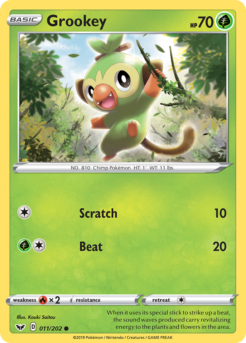
When it uses its special stick to strike up a beat, the sound waves produced carry revitalizing energy to the plants and flowers in the area.