



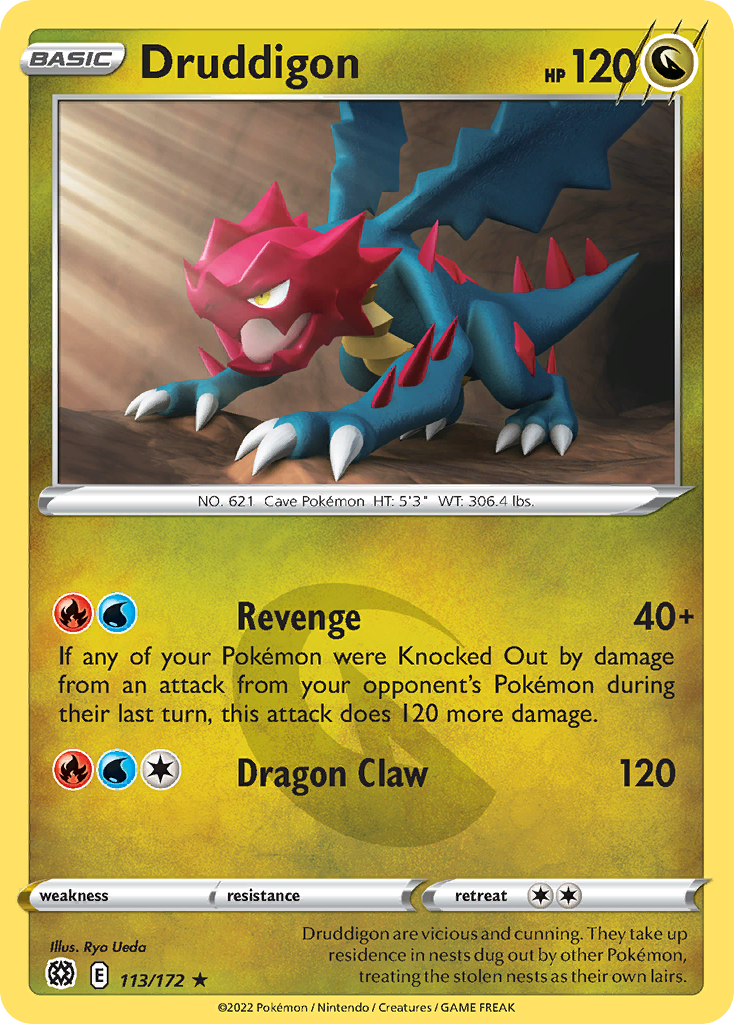
Druddigon
Druddigon are vicious and cunning. They take up residence in nests dug out by other Pokémon, treating the stolen nests as their own lairs.
If any of your Pokémon were Knocked Out by damage from an attack from your opponent’s Pokémon during their last turn, this attack does 120 more damage.
| Supertype | Pokémon |
|---|---|
| Subtype | Basic |
| HP | 120 |
| Types | Dragon |
| Attack | Revenge |
| Attack cost | Fire |
| Artist | Ryo Ueda |
| Rarity | Rare |
| Pokédex | 621 |
Vendor Information
- Store Name: DutchGem
- Vendor: DutchGem
-
Address:
gekkestraat
179
2345GT Utrecht
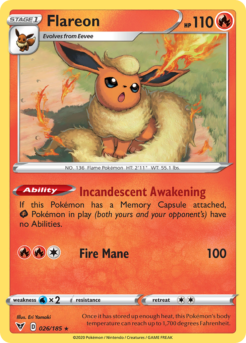
Sword & Shield
Once it has stored up enough heat, this Pokémon's body temperature can reach up to 1,700 degrees Fahrenheit.
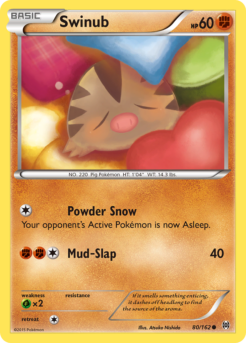
BREAKthrough
If it smells something enticing, it dashes off headlong to find the source of the aroma.
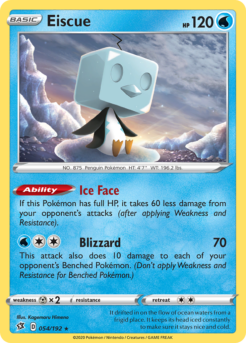
Rebel Clash
It drifted in on the flow of ocean waters from a frigid place. It keeps its head iced constantly to make sure it stays nice and cold.
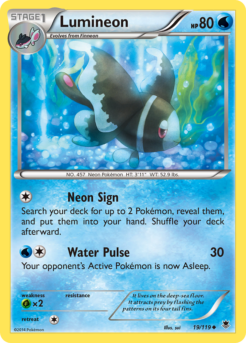
Phantom Forces
It lives on the deep-sea floor. It attracts prey by flashing the patterns on its four tail fins.
Produtos Relacionados
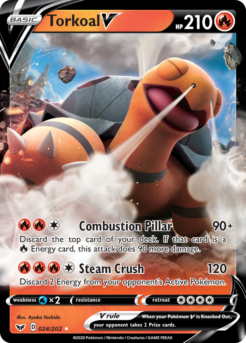
Sword & Shield
Discard the top card of your deck. If that card is a Fire Energy card, this attack does 90 more damage.
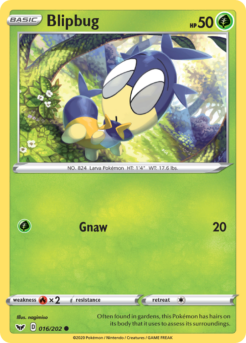
Sword & Shield
Often found in gardens, this Pokémon has hairs on its body that it uses to assess its surroundings.
Sword & Shield
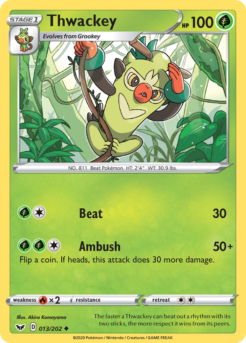
The faster a Thwackey can beat out a rhythm with its two sticks, the more respect it wins from its peers.
Sword & Shield
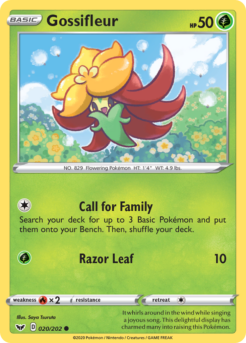
It whirls around in the wind while singing a joyous song. This delightful display has charmed many into raising this Pokémon.
Sword & Shield
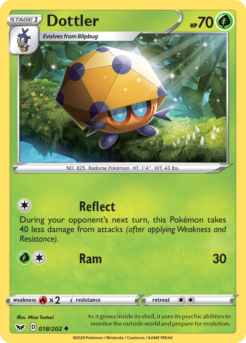
As it grows inside its shell, it uses its psychic abilities to monitor the outside world and prepare for evolution.
Sword & Shield
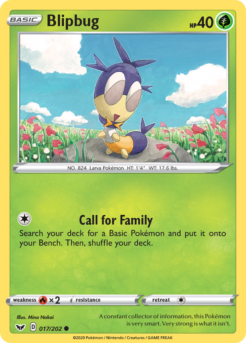
A constant collector of information, this Pokémon is very smart. Very strong is what it isn't.
Sword & Shield
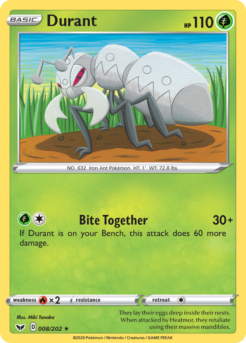
They lay their eggs deep inside their nests. When attacked by Heatmor, they retaliate using their massive mandibles.
Sword & Shield
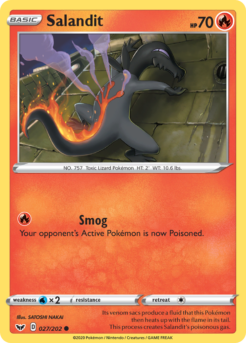
Its venom sacs produce a fluid that this Pokémon then heats up with the flame in its tail. This process creates Salandit's poisonous gas.