



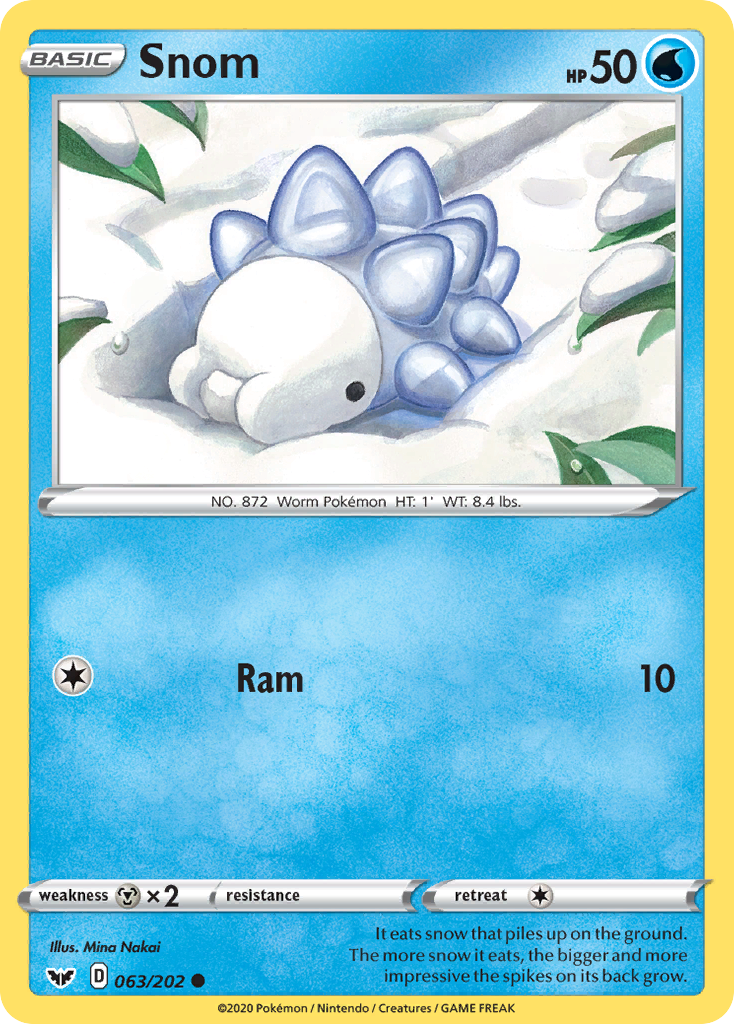
Snom
It eats snow that piles up on the ground. The more snow it eats, the bigger and more impressive the spikes on its back grow.
| Supertype | Pokémon |
|---|---|
| Subtype | Basic |
| HP | 50 |
| Types | Water |
| Attack | Ram |
| Attack cost | Colorless |
| Artist | Mina Nakai |
| Rarity | Common |
| Pokédex | 872 |
| Evolves to | Frosmoth |
Vendor Information
- Store Name: DutchGem
- Vendor: DutchGem
-
Address:
gekkestraat
179
2345GT Utrecht
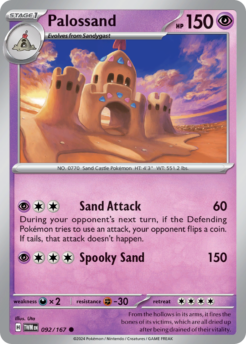
Scarlet & Violet
From the hollows in its arms, it fires the bones of its victims, which are all dried up after being drained of their vitality.
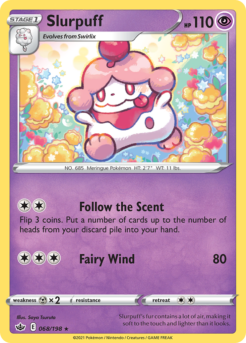
Chilling Reign
Slurpuff's fur contains a lot of air, making it soft to the touch and lighter than it looks.
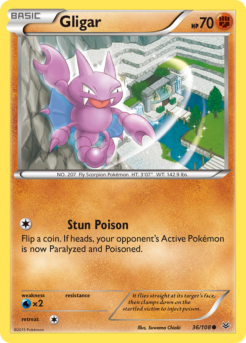
Roaring Skies
It flies straight at its target's face then clamps down on the startled victim to inject poison.
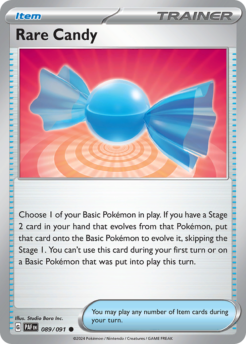
Base
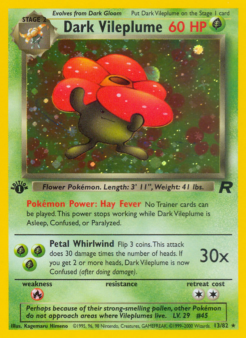
Perhaps because of their strong-smelling pollen, other Pokémon do not approach areas where Vileplumes live.
Produtos Relacionados
Sword & Shield
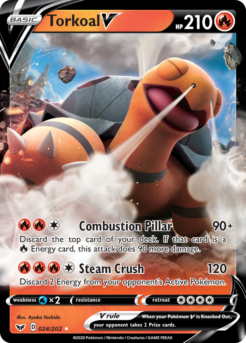
Discard the top card of your deck. If that card is a Fire Energy card, this attack does 90 more damage.
Sword & Shield
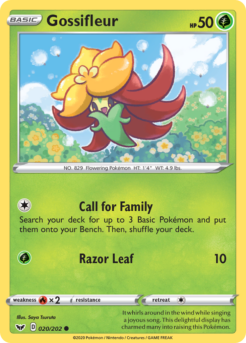
It whirls around in the wind while singing a joyous song. This delightful display has charmed many into raising this Pokémon.
Sword & Shield
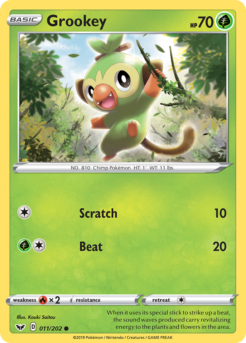
When it uses its special stick to strike up a beat, the sound waves produced carry revitalizing energy to the plants and flowers in the area.
Sword & Shield
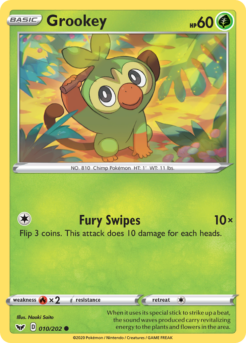
When it uses its special stick to strike up a beat, the sound waves produced carry revitalizing energy to the plants and flowers in the area.
Sword & Shield
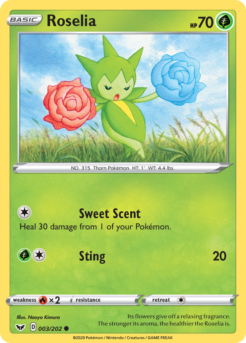
Its flowers give off a relaxing fragrance. The stronger its aroma, the healthier the Roselia is.
Sword & Shield
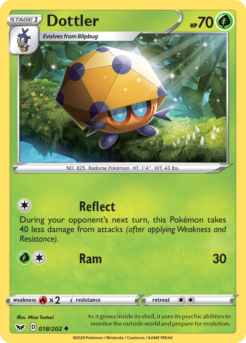
As it grows inside its shell, it uses its psychic abilities to monitor the outside world and prepare for evolution.
Sword & Shield
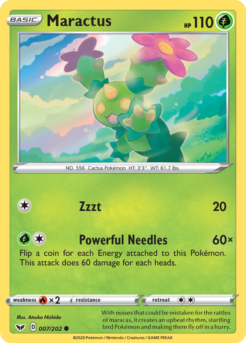
With noises that could be mistaken for the rattles of maracas, it creates an upbeat rhythm, startling bird Pokémon and making them fly off in a hurry.
Sword & Shield
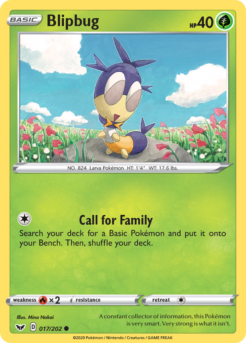
A constant collector of information, this Pokémon is very smart. Very strong is what it isn't.