



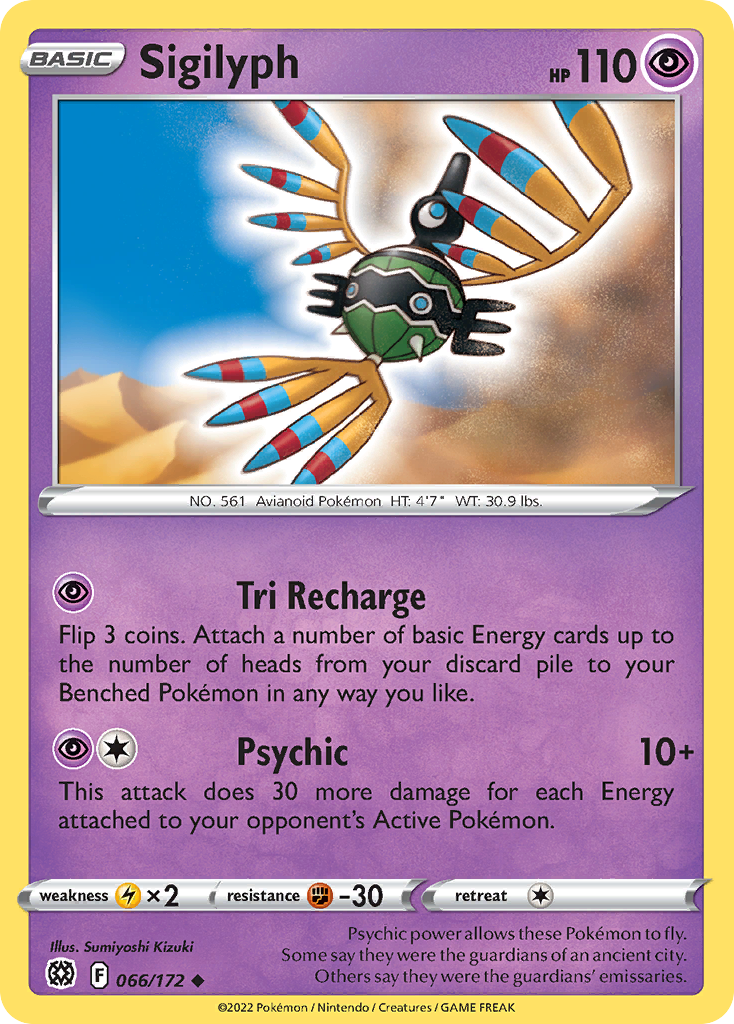
Sigilyph
Psychic power allows these Pokémon to fly. Some say they were the guardians of an ancient city. Others say they were the guardians’ emissaries.
Flip 3 coins. Attach a number of basic Energy cards up to the number of heads from your discard pile to your Benched Pokémon in any way you like.
| Supertype | Pokémon |
|---|---|
| Subtype | Basic |
| HP | 110 |
| Types | Psychic |
| Attack | Tri Recharge |
| Attack cost | Psychic |
| Artist | Sumiyoshi Kizuki |
| Rarity | Uncommon |
| Pokédex | 561 |
Vendor Information
- Store Name: DutchGem
- Vendor: DutchGem
-
Address:
gekkestraat
179
2345GT Utrecht
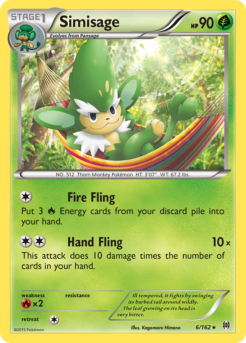
BREAKthrough
Ill tempered, it fights by swinging its barbed tail around wildly. The leaf growing on its head is very bitter.

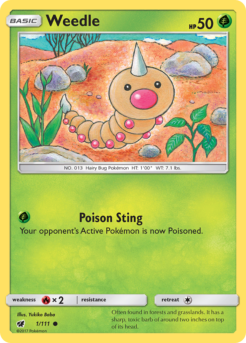
Crimson Invasion
Often found in forests and grasslands. It has a sharp, toxic barb of around two inches on top of its head.
Obsidian Flames
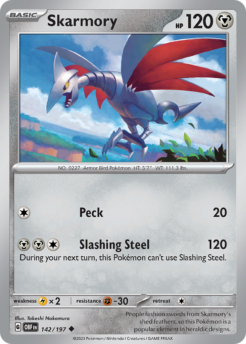
People fashion swords from Skarmory's shed feathers, so this Pokémon is a popular element in heraldic designs.
Related products

Sword & Shield
Search your deck for up to 2 Pokémon, reveal them, and put them into your hand. Then, shuffle your deck.
Sword & Shield
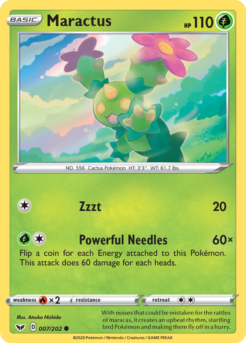
With noises that could be mistaken for the rattles of maracas, it creates an upbeat rhythm, startling bird Pokémon and making them fly off in a hurry.
Sword & Shield
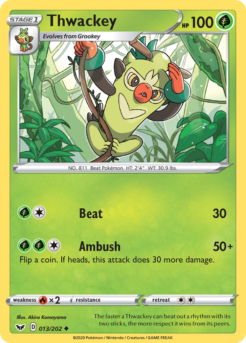
The faster a Thwackey can beat out a rhythm with its two sticks, the more respect it wins from its peers.
Sword & Shield
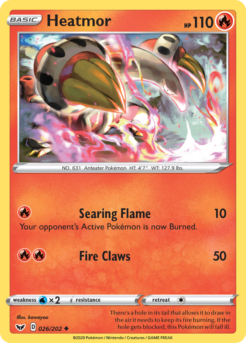
There's a hole in its tail that allows it to draw in the air it needs to keep its fire burning. If the hole gets blocked, this Pokémon will fall ill.
Sword & Shield
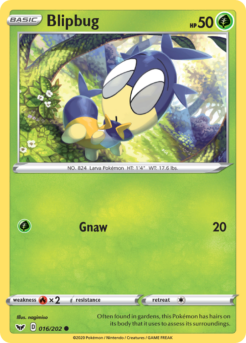
Often found in gardens, this Pokémon has hairs on its body that it uses to assess its surroundings.
Sword & Shield
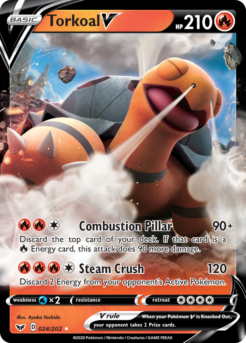
Discard the top card of your deck. If that card is a Fire Energy card, this attack does 90 more damage.
Sword & Shield
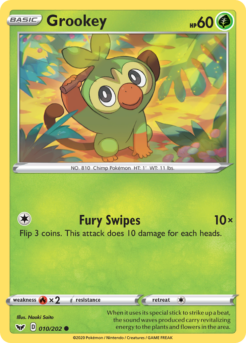
When it uses its special stick to strike up a beat, the sound waves produced carry revitalizing energy to the plants and flowers in the area.
Sword & Shield
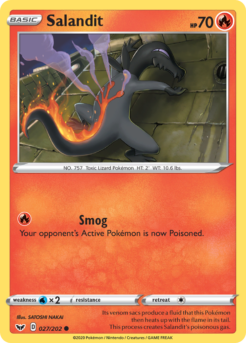
Its venom sacs produce a fluid that this Pokémon then heats up with the flame in its tail. This process creates Salandit's poisonous gas.