




Heracross


It roams through forests searching for sweet nectar. Although it boasts fantastic physical strength, it’s not that good at flying.

| Supertype | Pokémon |
|---|---|
| Subtype | Basic |
| HP | 120 |
| Types | Grass |
| Attack | Horn Attack |
| Attack cost | Colorless |
| Artist | Hasuno |
| Rarity | Common |
| Pokédex | 214 |
Vendor Information
- Store Name: DutchGem
- Vendor: DutchGem
-
Address:
gekkestraat
179
2345GT Utrecht
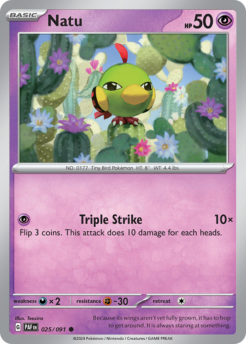
Paldean Fates
Because its wings aren't yet fully grown, it has to hop to get around. It is always staring at something.

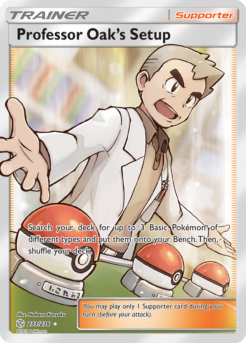


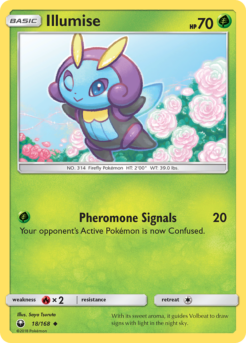
Celestial Storm
With its sweet aroma, it guides Volbeat to draw signs with light in the night sky.
Related products
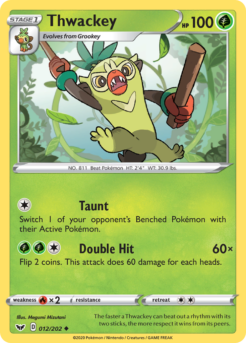
Sword & Shield
The faster a Thwackey can beat out a rhythm with its two sticks, the more respect it wins from its peers.
Sword & Shield
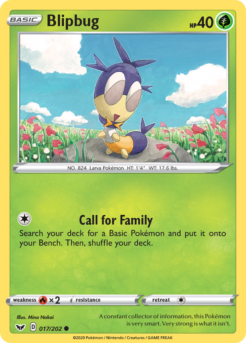
A constant collector of information, this Pokémon is very smart. Very strong is what it isn't.
Sword & Shield
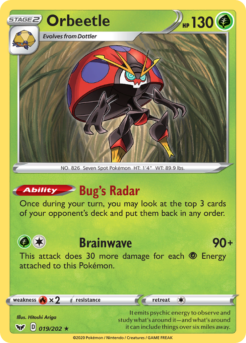
It emits psychic energy to observe and study what's around it—and what's around it can include things over six miles away.

Sword & Shield
When it uses its special stick to strike up a beat, the sound waves produced carry revitalizing energy to the plants and flowers in the area.

Sword & Shield
It whirls around in the wind while singing a joyous song. This delightful display has charmed many into raising this Pokémon.
Sword & Shield
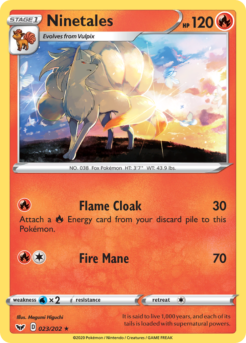
It is said to live 1,000 years, and each of its tails is loaded with supernatural powers.
Sword & Shield
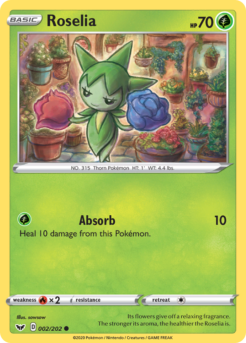
Its flowers give off a relaxing fragrance. The stronger its aroma, the healthier the Roselia is.
Sword & Shield
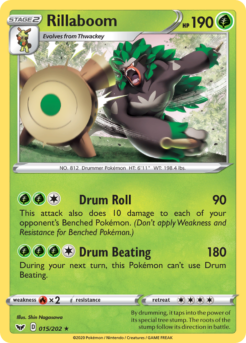
By drumming, it taps into the power of its special tree stump. The roots of the stump follow its direction in battle.