



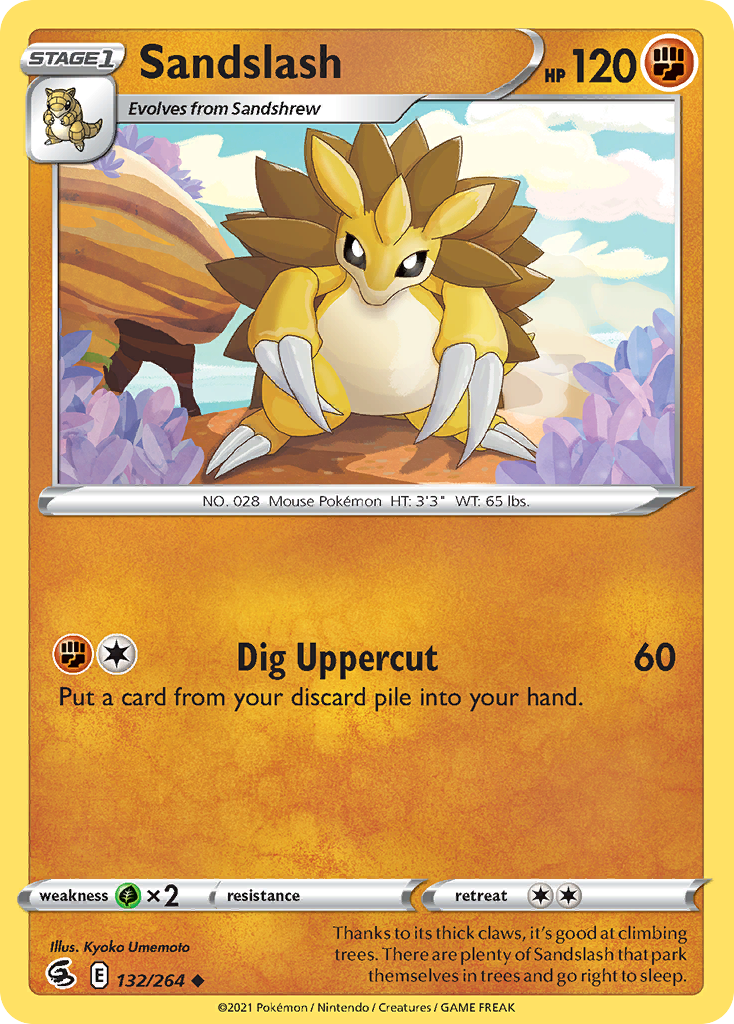
Sandslash
Thanks to its thick claws, it’s good at climbing trees. There are plenty of Sandslash that park themselves in trees and go right to sleep.
Put a card from your discard pile into your hand.
| Supertype | Pokémon |
|---|---|
| Subtype | Stage 1 |
| HP | 120 |
| Types | Fighting |
| Attack | Dig Uppercut |
| Attack cost | Fighting |
| Artist | Kyoko Umemoto |
| Rarity | Uncommon |
| Pokédex | 28 |
| Evolves from | Sandshrew |
Vendor Information
- Store Name: DutchGem
- Vendor: DutchGem
-
Address:
gekkestraat
179
2345GT Utrecht
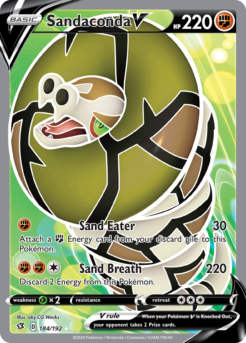

Base
It emits special alpha waves from its body that induce headaches even to those just nearby.
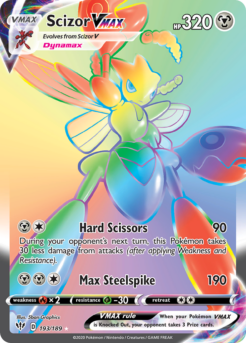
Darkness Ablaze
During your opponent’s next turn, this Pokémon takes 30 less damage from attacks (after applying Weakness and Resistance).
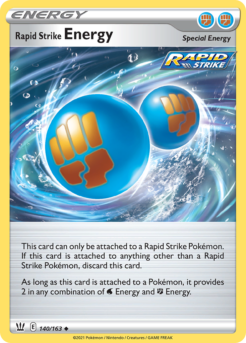
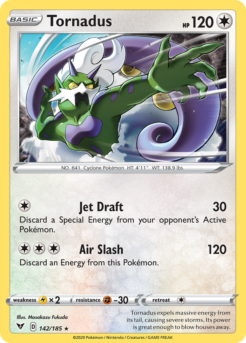
Sword & Shield
Tornadus expels massive energy from its tail, causing severe storms. Its power is great enough to blow houses away.
Related products

Sword & Shield
Attach up to 3 Fire Energy cards from your discard pile to your Pokémon in any way you like.
Sword & Shield
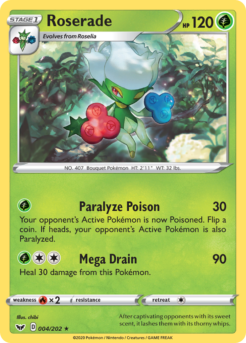
After captivating opponents with its sweet scent, it lashes them with its thorny whips.
Sword & Shield
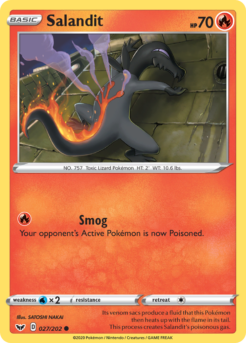
Its venom sacs produce a fluid that this Pokémon then heats up with the flame in its tail. This process creates Salandit's poisonous gas.
Sword & Shield
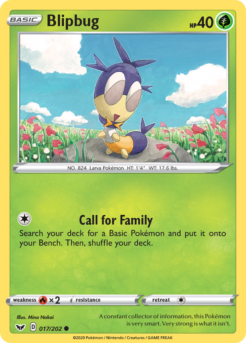
A constant collector of information, this Pokémon is very smart. Very strong is what it isn't.
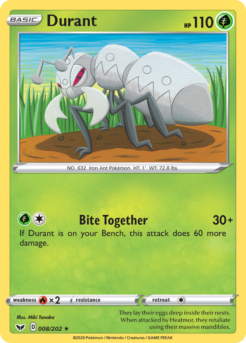
Sword & Shield
They lay their eggs deep inside their nests. When attacked by Heatmor, they retaliate using their massive mandibles.
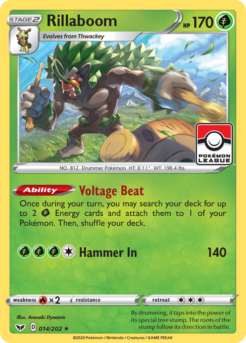
Sword & Shield
By drumming, it taps into the power of its special tree stump. The roots of the stump follow its direction in battle.
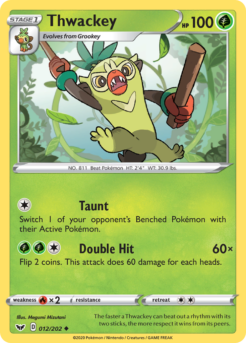
Sword & Shield
The faster a Thwackey can beat out a rhythm with its two sticks, the more respect it wins from its peers.
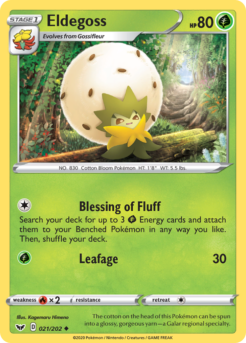
Sword & Shield
The cotton on the head of this Pokémon can be spun into a glossy, gorgeous yarn—a Galar regional specialty.