



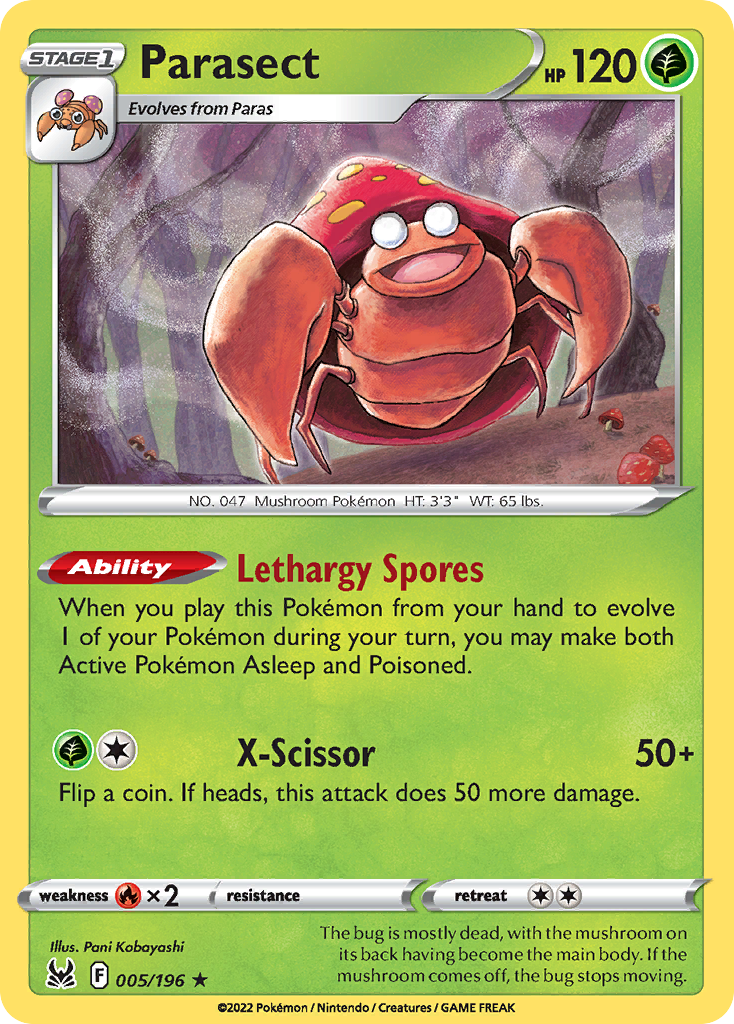
Parasect
The bug is mostly dead, with the mushroom on its back having become the main body. If the mushroom comes off, the bug stops moving.
Flip a coin. If heads, this attack does 50 more damage.
| Supertype | Pokémon |
|---|---|
| Subtype | Stage 1 |
| HP | 120 |
| Types | Grass |
| Attack | X-Scissor |
| Attack cost | Grass |
| Artist | Pani Kobayashi |
| Rarity | Rare |
| Pokédex | 47 |
| Evolves from | Paras |
Vendor Information
- Store Name: DutchGem
- Vendor: DutchGem
-
Address:
gekkestraat
179
2345GT Utrecht
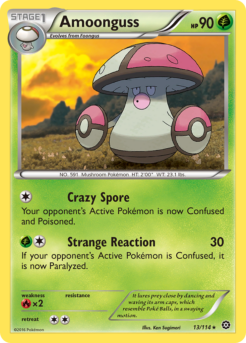
Steam Siege
It lures prey close by dancing and waving its arm caps, which resemble Poké Balls, in a swaying motion.

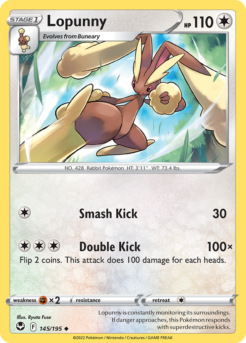
Silver Tempest
Lopunny is constantly monitoring its surroundings. If danger approaches, this Pokémon responds with superdestructive kicks.
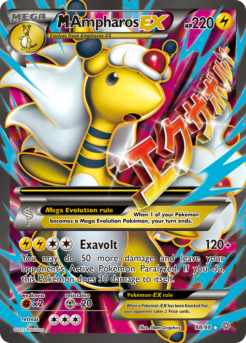
Ancient Origins
You may do 50 more damage and leave your opponent’s Active Pokémon Paralyzed. If you do, this Pokémon does 30 damage to itself.
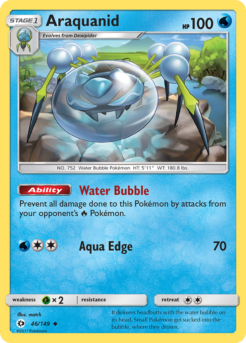
Sun & Moon
It delivers headbutts with the water bubble on its head. Small Pokémon get sucked into the bubble, where they drown.
Related products
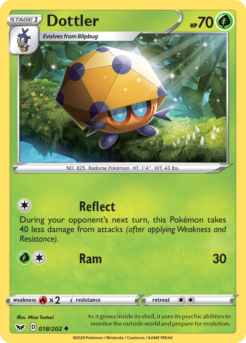
Sword & Shield
As it grows inside its shell, it uses its psychic abilities to monitor the outside world and prepare for evolution.
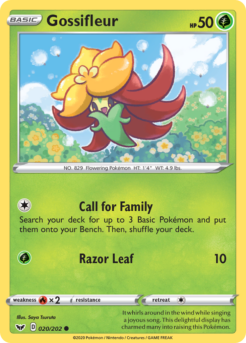
Sword & Shield
It whirls around in the wind while singing a joyous song. This delightful display has charmed many into raising this Pokémon.
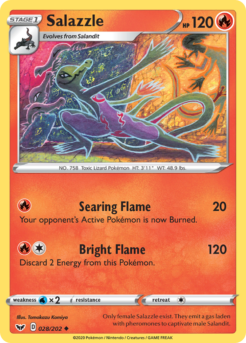
Sword & Shield
Only female Salazzle exist. They emit a gas laden with pheromones to captivate male Salandit.
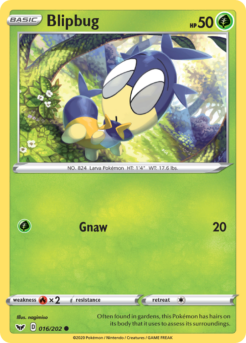
Sword & Shield
Often found in gardens, this Pokémon has hairs on its body that it uses to assess its surroundings.
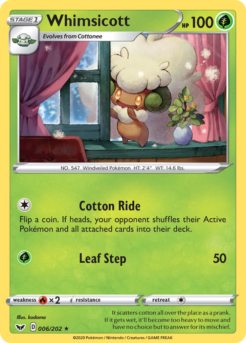
Sword & Shield
It scatters cotton all over the place as a prank. If it gets wet, it'll become too heavy to move and have no choice but to answer for its mischief.
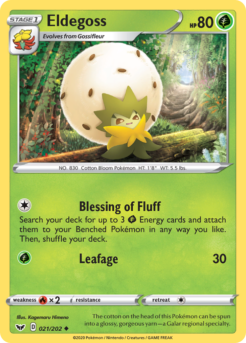
Sword & Shield
The cotton on the head of this Pokémon can be spun into a glossy, gorgeous yarn—a Galar regional specialty.
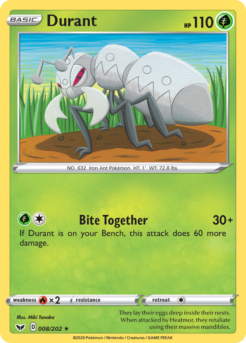
Sword & Shield
They lay their eggs deep inside their nests. When attacked by Heatmor, they retaliate using their massive mandibles.
Sword & Shield
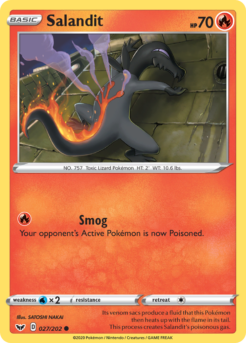
Its venom sacs produce a fluid that this Pokémon then heats up with the flame in its tail. This process creates Salandit's poisonous gas.