



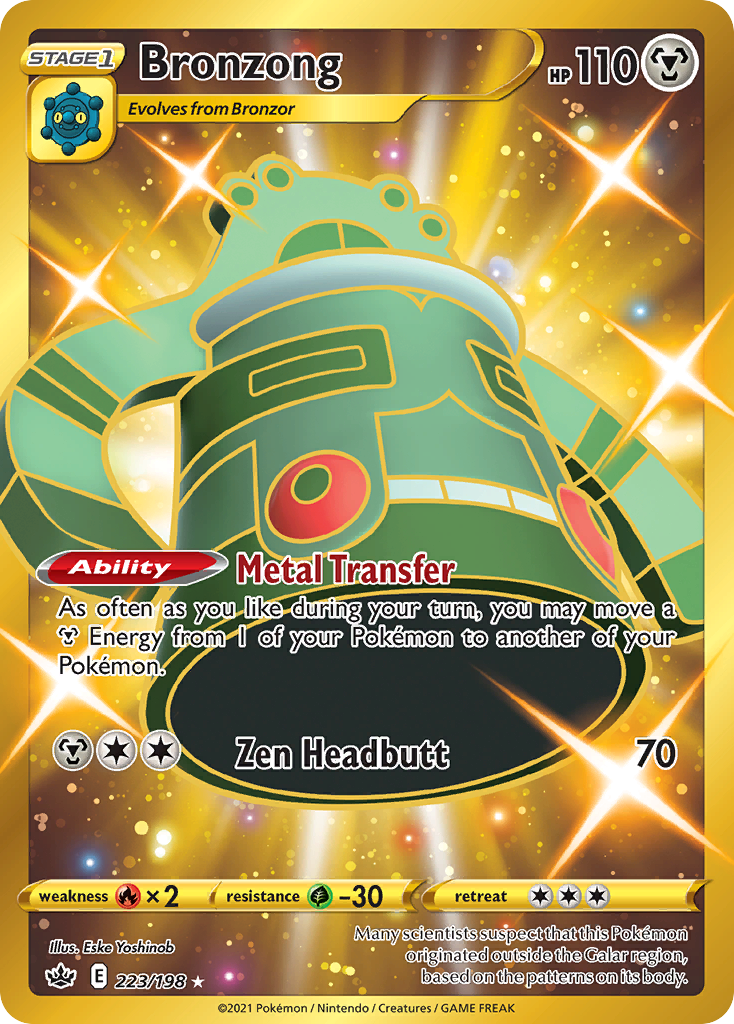
Bronzong


Many scientists suspect that this Pokémon originated outside the Galar region, based on the patterns on its body.
| Supertype | Pokémon |
|---|---|
| Subtype | Stage 1 |
| HP | 110 |
| Types | Metal |
| Attack | Zen Headbutt |
| Attack cost | Metal |
| Artist | Eske Yoshinob |
| Rarity | Rare Secret |
| Pokédex | 437 |
| Evolves from | Bronzor |
Vendor Information
- Store Name: DutchGem
- Vendor: DutchGem
-
Address:
gekkestraat
179
2345GT Utrecht

Darkness Ablaze
Its tail shines bright and strong. It has been prized since long ago as a beacon for sailors.

Lost Origin
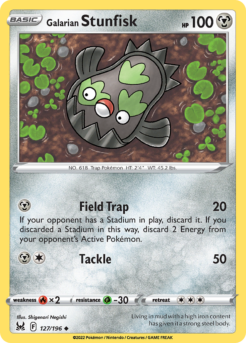
Living in mud with a high iron content has given it a strong steel body.
Obsidian Flames
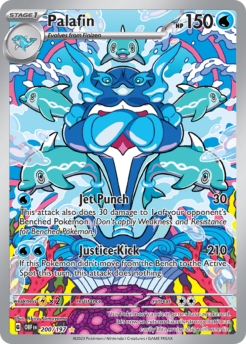
This Pokémon's ancient genes have awakened. It is now so extraordinarily strong that it can easily lift a cruise ship with one fin.
Base
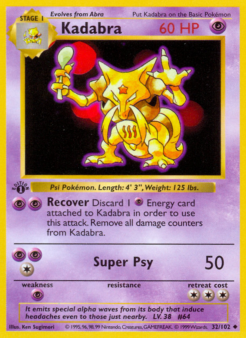
It emits special alpha waves from its body that induce headaches even to those just nearby.
Related products

Sword & Shield
Attach up to 3 Fire Energy cards from your discard pile to your Pokémon in any way you like.
Sword & Shield
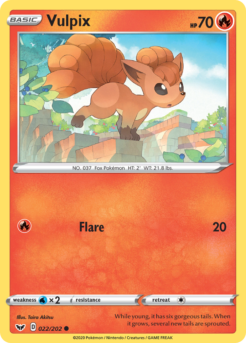
While young, it has six gorgeous tails. When it grows, several new tails are sprouted.
Sword & Shield
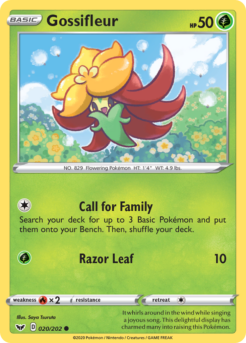
It whirls around in the wind while singing a joyous song. This delightful display has charmed many into raising this Pokémon.
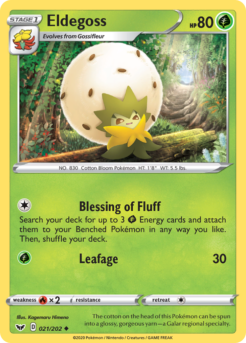
Sword & Shield
The cotton on the head of this Pokémon can be spun into a glossy, gorgeous yarn—a Galar regional specialty.
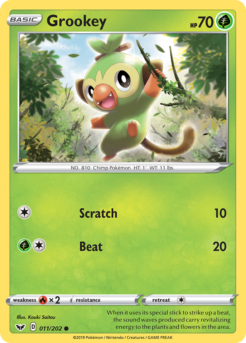
Sword & Shield
When it uses its special stick to strike up a beat, the sound waves produced carry revitalizing energy to the plants and flowers in the area.
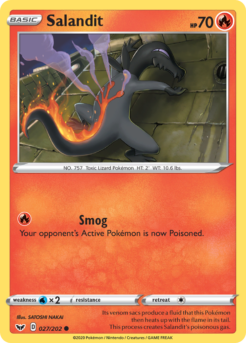
Sword & Shield
Its venom sacs produce a fluid that this Pokémon then heats up with the flame in its tail. This process creates Salandit's poisonous gas.
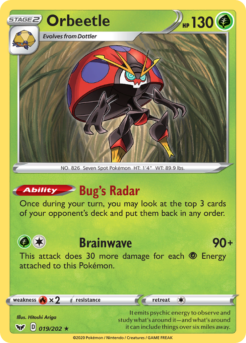
Sword & Shield
It emits psychic energy to observe and study what's around it—and what's around it can include things over six miles away.
Sword & Shield
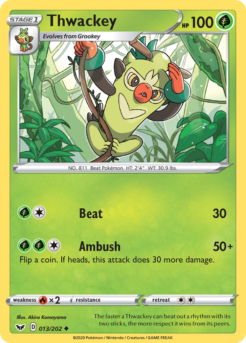
The faster a Thwackey can beat out a rhythm with its two sticks, the more respect it wins from its peers.