



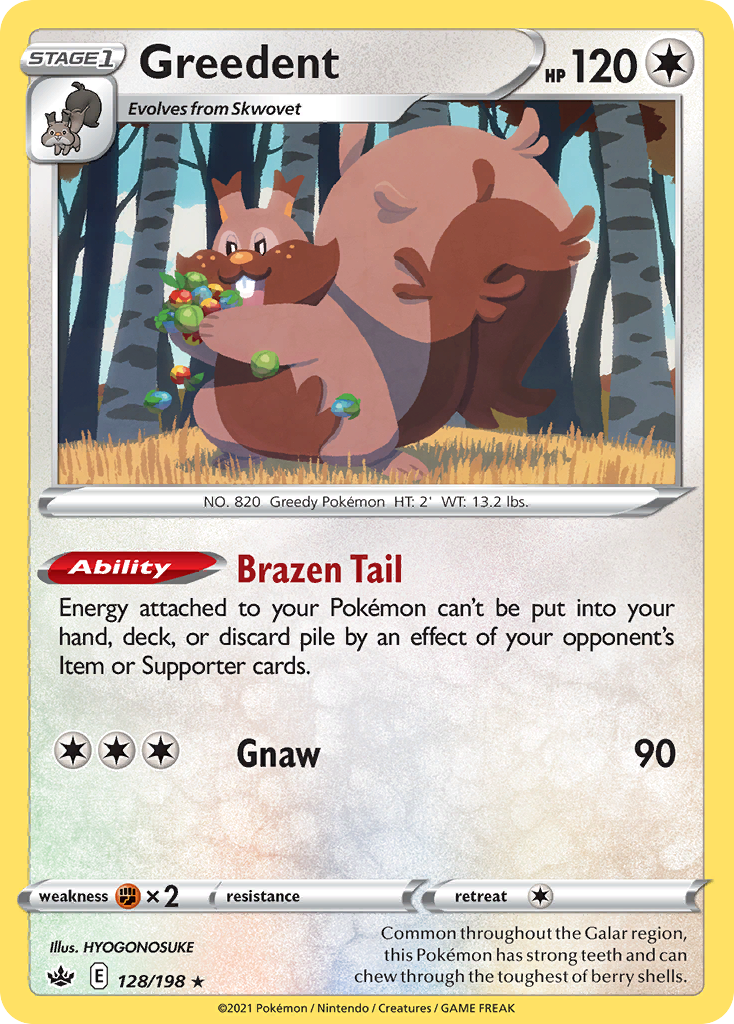
Greedent
Common throughout the Galar region, this Pokémon has strong teeth and can chew through the toughest of berry shells.

| Supertype | Pokémon |
|---|---|
| Subtype | Stage 1 |
| HP | 120 |
| Types | Colorless |
| Attack | Gnaw |
| Attack cost | Colorless |
| Artist | HYOGONOSUKE |
| Rarity | Rare Holo |
| Pokédex | 820 |
| Evolves from | Skwovet |
Vendor Information
- Store Name: DutchGem
- Vendor: DutchGem
-
Address:
gekkestraat
179
2345GT Utrecht
Lost Thunder
One of the Ultra Beasts, it's unclear whether or not this Pokémon is sentient, but sometimes it can be observed behaving like a young girl.
Sun & Moon
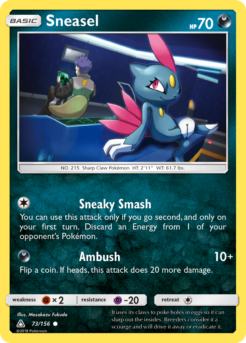
It uses its claws to poke holes in eggs so it can slurp out the insides. Breeders consider it a scourge and will drive it away or eradicate it.
Scarlet & Violet
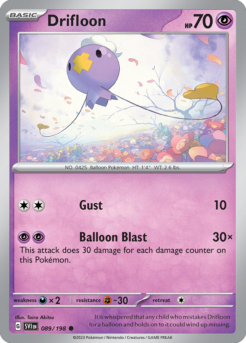
It is whispered that any child who mistakes Drifloon for a balloon and holds on to it could wind up missing.
Burning Shadows
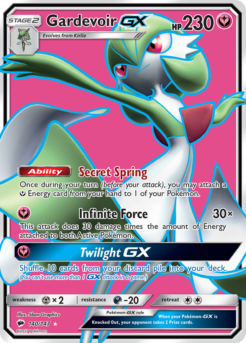
This attack does 30 damage times the amount of Energy attached to both Active Pokémon.

Related products
Sword & Shield
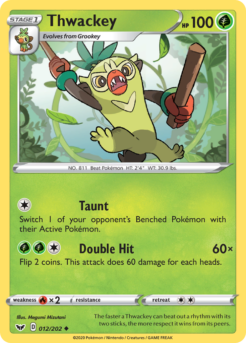
The faster a Thwackey can beat out a rhythm with its two sticks, the more respect it wins from its peers.
Sword & Shield
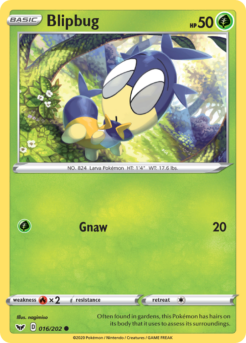
Often found in gardens, this Pokémon has hairs on its body that it uses to assess its surroundings.
Sword & Shield
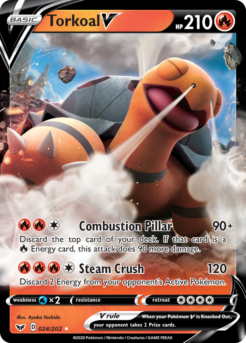
Discard the top card of your deck. If that card is a Fire Energy card, this attack does 90 more damage.
Sword & Shield
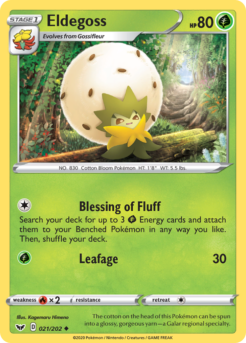
The cotton on the head of this Pokémon can be spun into a glossy, gorgeous yarn—a Galar regional specialty.
Sword & Shield
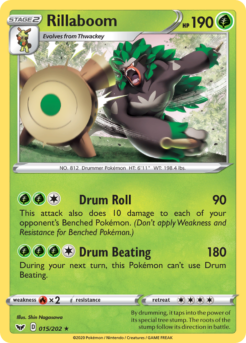
By drumming, it taps into the power of its special tree stump. The roots of the stump follow its direction in battle.
Sword & Shield
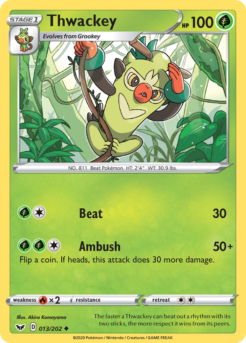
The faster a Thwackey can beat out a rhythm with its two sticks, the more respect it wins from its peers.
Sword & Shield
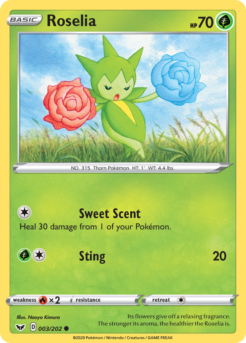
Its flowers give off a relaxing fragrance. The stronger its aroma, the healthier the Roselia is.
Sword & Shield
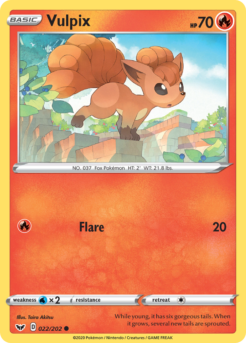
While young, it has six gorgeous tails. When it grows, several new tails are sprouted.