



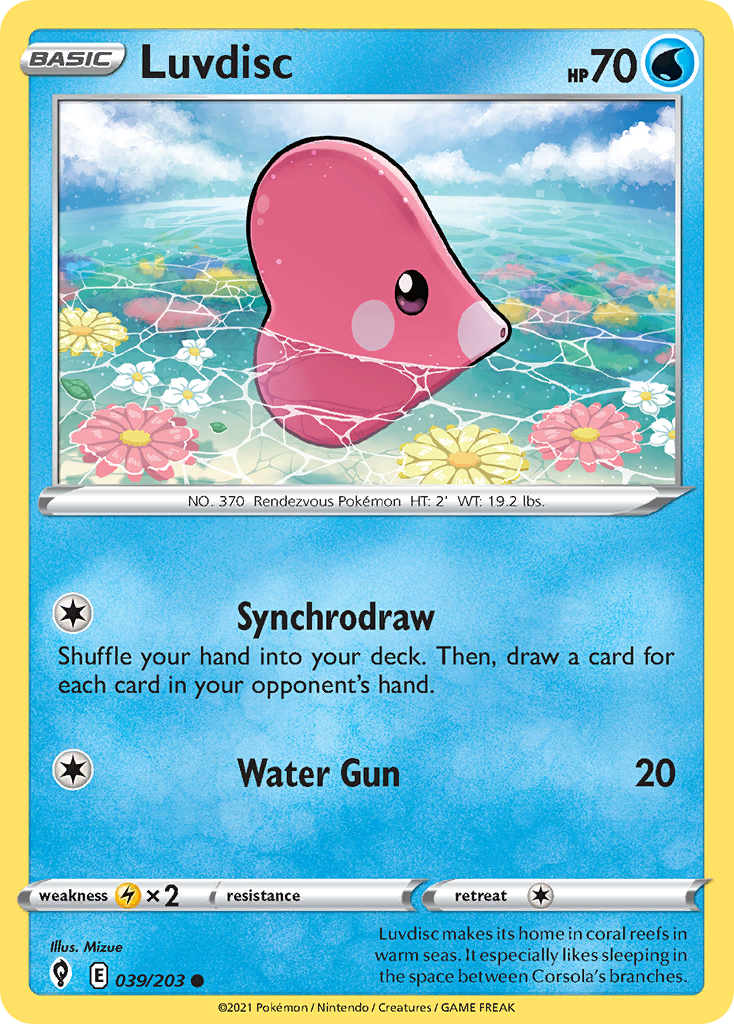
Luvdisc
Luvdisc makes its home in coral reefs in warm seas. It especially likes sleeping in the space between Corsola’s branches.
Shuffle your hand into your deck. Then, draw a card for each card in your opponent’s hand.
| Supertype | Pokémon |
|---|---|
| Subtype | Basic |
| HP | 70 |
| Types | Water |
| Attack | Synchrodraw |
| Attack cost | Colorless |
| Artist | Mizue |
| Rarity | Common |
| Pokédex | 370 |
Vendor Information
- Store Name: DutchGem
- Vendor: DutchGem
-
Address:
gekkestraat
179
2345GT Utrecht
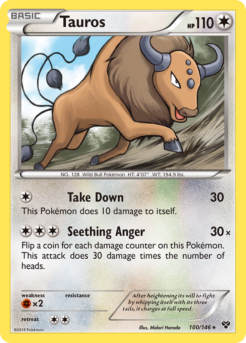
XY
After heightening its will to fight by whipping itself with its three tails, it charges at full speed.
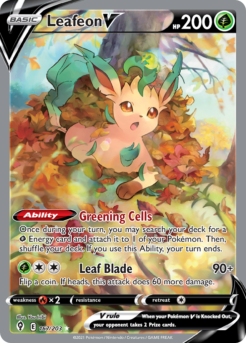
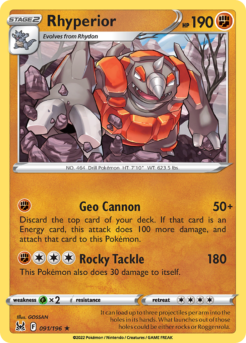
Lost Origin
It can load up to three projectiles per arm into the holes in its hands. What launches out of those holes could be either rocks or Roggenrola.
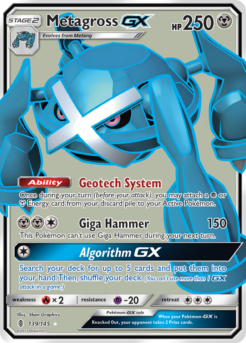
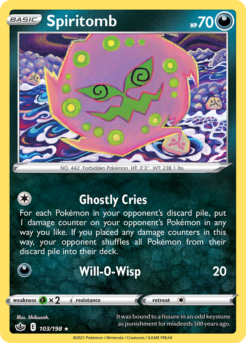
Chilling Reign
It was bound to a fissure in an Odd Keystone as punishment for misdeeds 500 years ago.
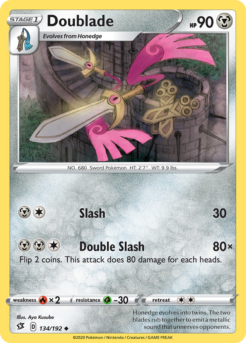
Rebel Clash
Honedge evolves into twins. The two blades rub together to emit a metallic sound that unnerves opponents.
Podobne produkty
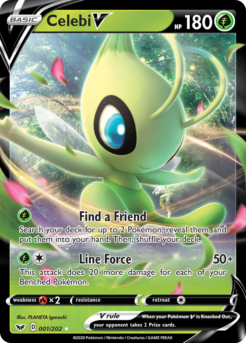
Sword & Shield
Search your deck for up to 2 Pokémon, reveal them, and put them into your hand. Then, shuffle your deck.
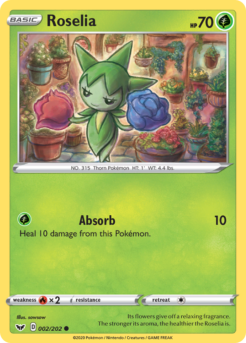
Sword & Shield
Its flowers give off a relaxing fragrance. The stronger its aroma, the healthier the Roselia is.
Sword & Shield
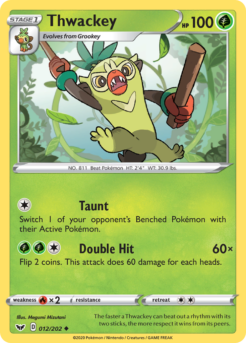
The faster a Thwackey can beat out a rhythm with its two sticks, the more respect it wins from its peers.
Sword & Shield
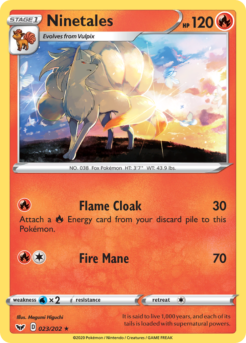
It is said to live 1,000 years, and each of its tails is loaded with supernatural powers.
Sword & Shield
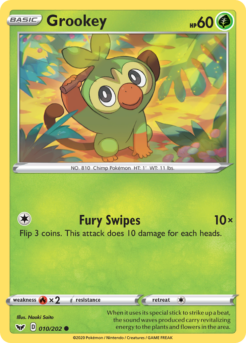
When it uses its special stick to strike up a beat, the sound waves produced carry revitalizing energy to the plants and flowers in the area.
Sword & Shield
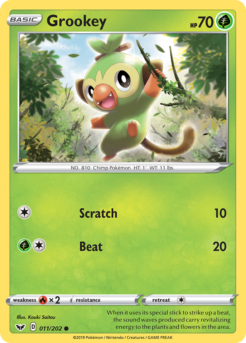
When it uses its special stick to strike up a beat, the sound waves produced carry revitalizing energy to the plants and flowers in the area.
Sword & Shield
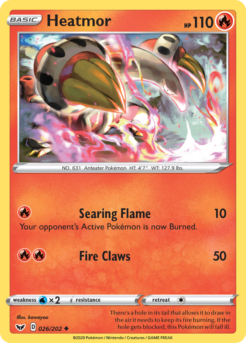
There's a hole in its tail that allows it to draw in the air it needs to keep its fire burning. If the hole gets blocked, this Pokémon will fall ill.
Sword & Shield
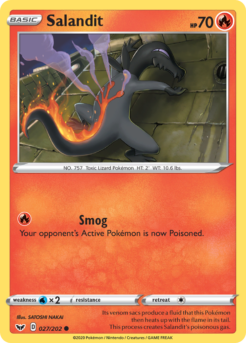
Its venom sacs produce a fluid that this Pokémon then heats up with the flame in its tail. This process creates Salandit's poisonous gas.