



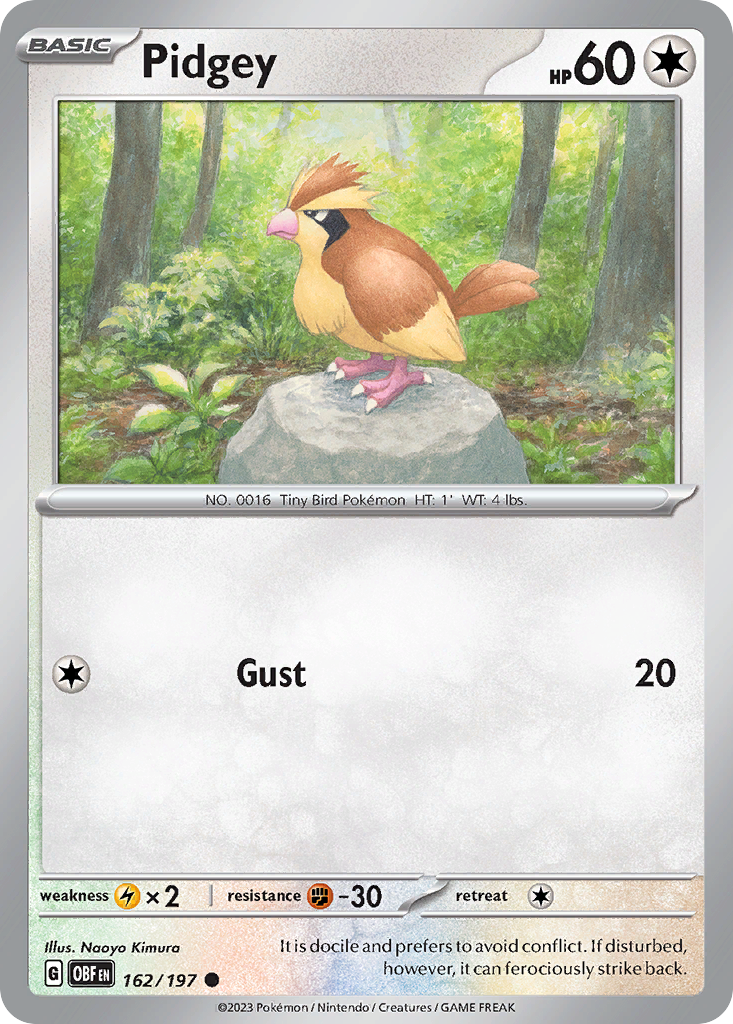
Pidgey
It is docile and prefers to avoid conflict. If disturbed, however, it can ferociously strike back.
| Supertype | Pokémon |
|---|---|
| Subtype | Basic |
| HP | 60 |
| Types | Colorless |
| Attack | Gust |
| Attack cost | Colorless |
| Artist | Naoyo Kimura |
| Rarity | Common |
| Pokédex | 16 |
| Evolves to | Pidgeotto |
Vendor Information
- Store Name: DutchGem
- Vendor: DutchGem
-
Address:
gekkestraat
179
2345GT Utrecht
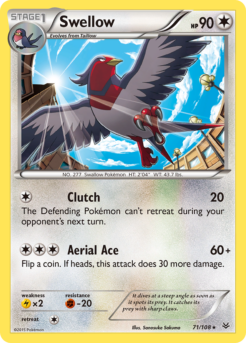
Roaring Skies
It dives at a steep angle as soon as it spots its prey. It catches its prey with sharp claws.
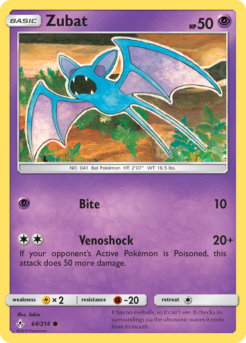
Sun & Moon
It has no eyeballs, so it can't see. It checks its surroundings via the ultrasonic waves it emits from its mouth.
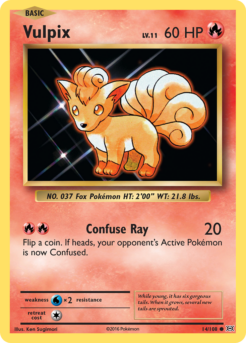
Evolutions
While young, it has six gorgeous tails. When it grows, several new tails are sprouted.
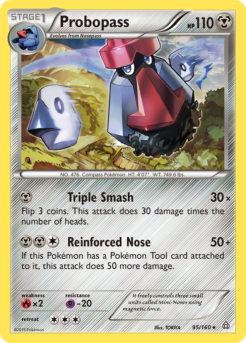
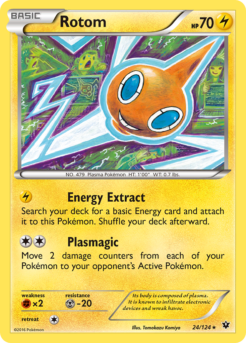
Fates Collide
Its body is composed of plasma. It is known to infiltrate electronic devices and wreak havoc.

Sun & Moon
When it comes to strong hypnosis, there's an endless number of people who utilize Malamar for their nefarious deeds.
Related products
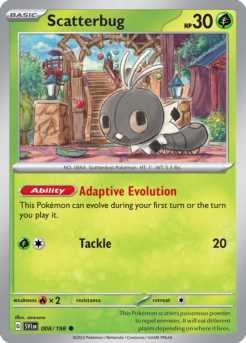
Scarlet & Violet
This Pokémon scatters poisonous powder to repel enemies. It will eat different plants depending on where it lives.
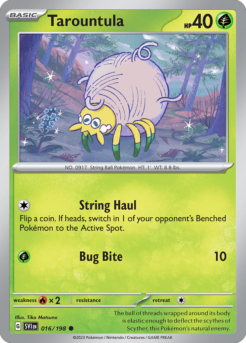
Scarlet & Violet
The ball of threads wrapped around its body is elastic enough to deflect the scythes of Scyther, this Pokémon's natural enemy.
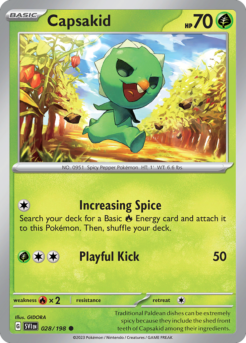
Scarlet & Violet
Traditional Paldean dishes can be extremely spicy because they include the shed front teeth of Capsakid among their ingredients.
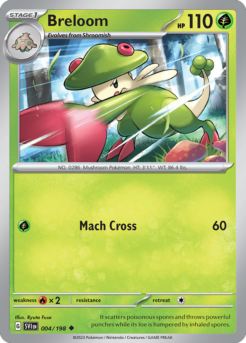
Scarlet & Violet
It scatters poisonous spores and throws powerful punches while its foe is hampered by inhaled spores.
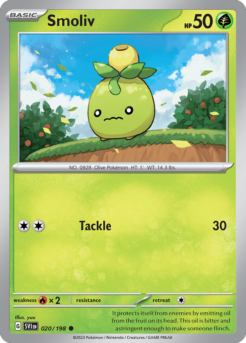
Scarlet & Violet
It protects itself from enemies by emitting oil from the fruit on its head. This oil is bitter and astringent enough to make someone flinch.
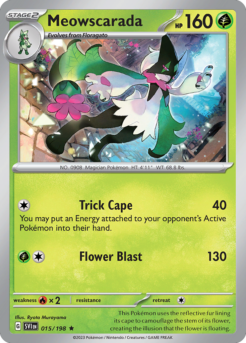
Scarlet & Violet
This Pokémon uses the reflective fur lining its cape to camouflage the stem of its flower, creating the illusion that the flower is floating.
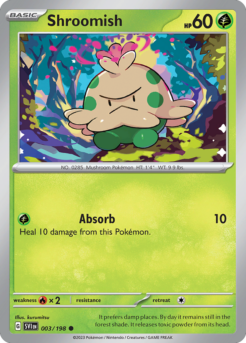
Scarlet & Violet
It prefers damp places. By day it remains still in the forest shade. It releases toxic powder from its head.
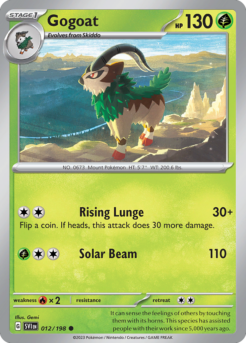
Scarlet & Violet
It can sense the feelings of others by touching them with its horns. This species has assisted people with their work since 5,000 years ago.