



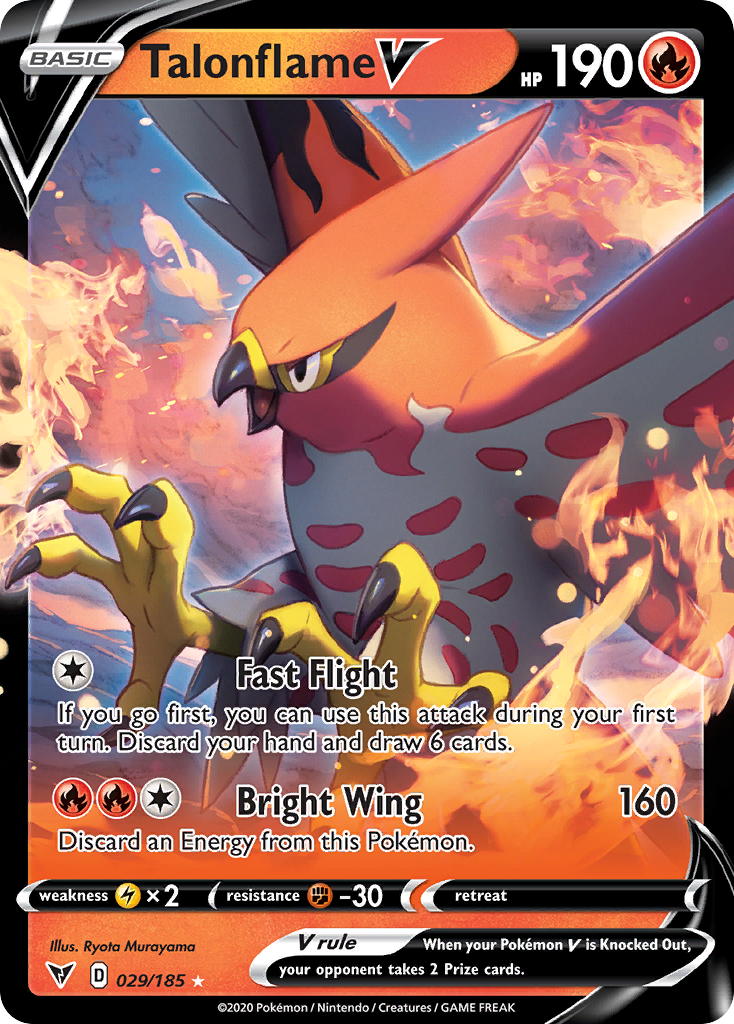
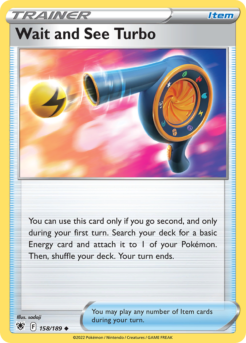
If you go first, you can use this attack during your first turn. Discard your hand and draw 6 cards.
| Supertype | Pokémon |
|---|---|
| Subtype | Basic |
| HP | 190 |
| Types | Fire |
| Attack | Fast Flight |
| Attack cost | Colorless |
| Artist | Ryota Murayama |
| Rarity | Rare Holo V |
| Pokédex | 663 |
Informatie verkoper
- Shopnaam: DutchGem
- Verkoper DutchGem
-
Adres:
gekkestraat
179
2345GT Utrecht
Scarlet & Violet
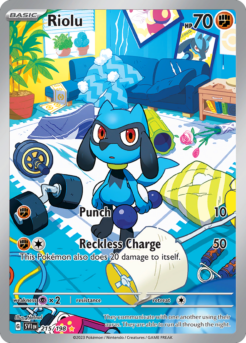
They communicate with one another using their auras. They are able to run all through the night.
Lost Thunder
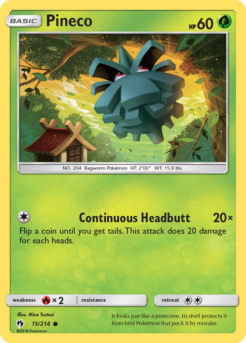
It looks just like a pinecone. Its shell protects it from bird Pokémon that peck it by mistake.
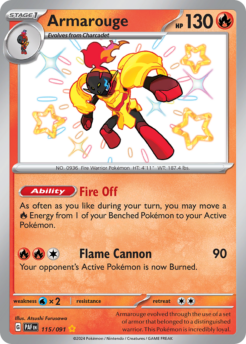
Paldean Fates
Armarouge evolved through the use of a set of armor that belonged to a distinguished warrior. This Pokémon is incredibly loyal.
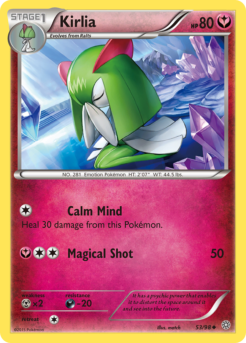
Ancient Origins
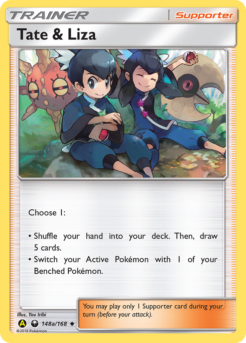
It has a psychic power that enables it to distort the space around it and see into the future.
Gerelateerde producten
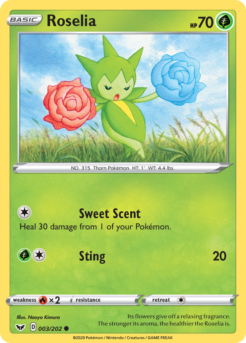
Sword & Shield
Its flowers give off a relaxing fragrance. The stronger its aroma, the healthier the Roselia is.
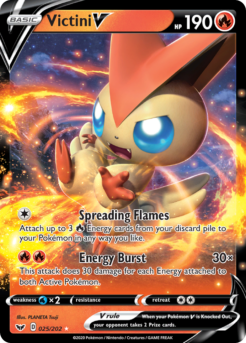
Sword & Shield
Attach up to 3 Fire Energy cards from your discard pile to your Pokémon in any way you like.
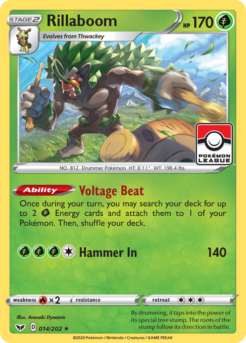
Sword & Shield
By drumming, it taps into the power of its special tree stump. The roots of the stump follow its direction in battle.
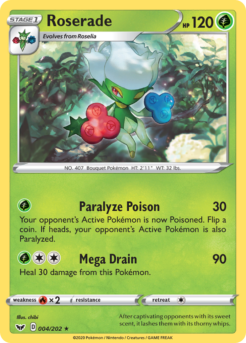
Sword & Shield
After captivating opponents with its sweet scent, it lashes them with its thorny whips.
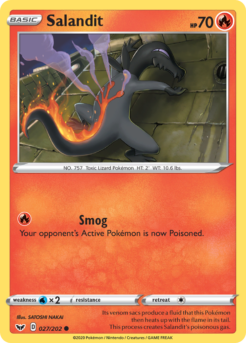
Sword & Shield
Its venom sacs produce a fluid that this Pokémon then heats up with the flame in its tail. This process creates Salandit's poisonous gas.
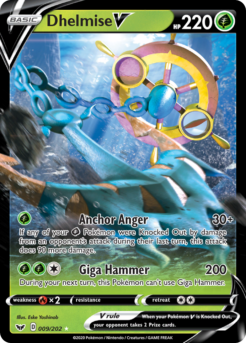
Sword & Shield
If any of your Grass Pokémon were Knocked Out by damage from an opponent’s attack during their last turn, this attack does 90 more damage.
Sword & Shield
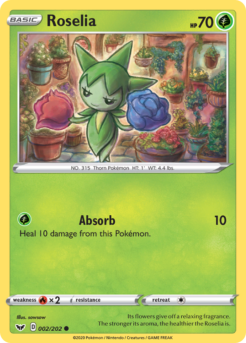
Its flowers give off a relaxing fragrance. The stronger its aroma, the healthier the Roselia is.
Sword & Shield
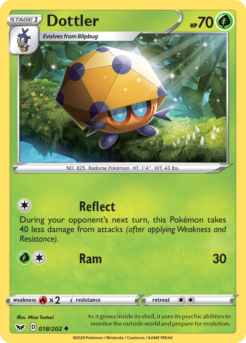
As it grows inside its shell, it uses its psychic abilities to monitor the outside world and prepare for evolution.