



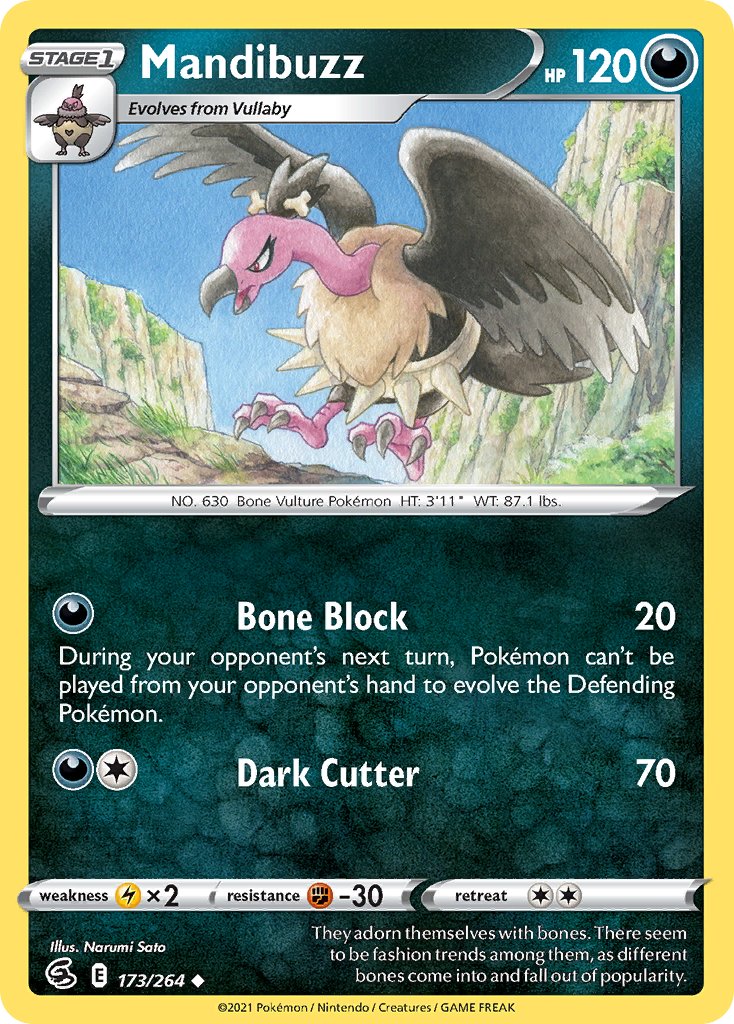
Mandibuzz
They adorn themselves with bones. There seem to be fashion trends among them, as different bones come into and fall out of popularity.
During your opponent’s next turn, Pokémon can’t be played from your opponent’s hand to evolve the Defending Pokémon.
| Supertype | Pokémon |
|---|---|
| Subtype | Stage 1 |
| HP | 120 |
| Types | Darkness |
| Attack | Bone Block |
| Attack cost | Darkness |
| Artist | Narumi Sato |
| Rarity | Uncommon |
| Pokédex | 630 |
| Evolves from | Vullaby |
Informatie verkoper
- Shopnaam: DutchGem
- Verkoper DutchGem
-
Adres:
gekkestraat
179
2345GT Utrecht
Base
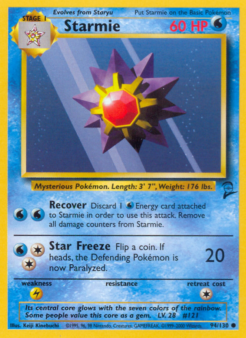
Its central core glows with the seven colors of the rainbow. Some people value this core as a gem.
Flashfire
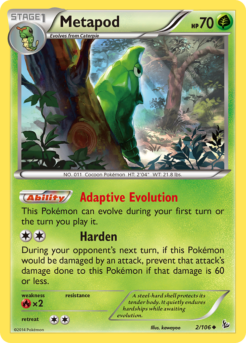
A steel-hard shell protects its tender body. It quietly endures hardships while awaiting evolution.

Astral Radiance
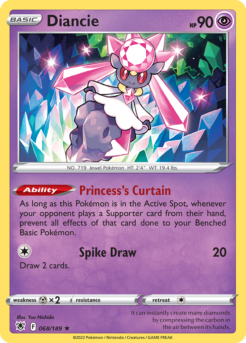
It can instantly create many diamonds by compressing the carbon in the air between its hands.
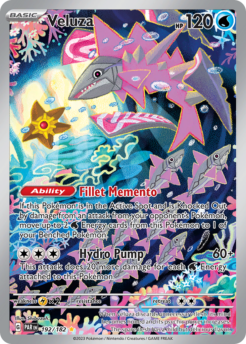
Paradox Rift
When Veluza discards unnecessary flesh, its mind becomes honed and its psychic power increases. The spare flesh has a mild but delicious flavor.
Gerelateerde producten
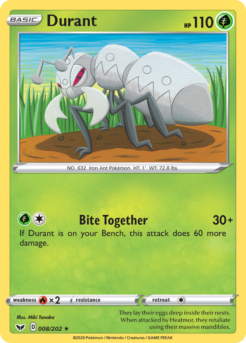
Sword & Shield
They lay their eggs deep inside their nests. When attacked by Heatmor, they retaliate using their massive mandibles.
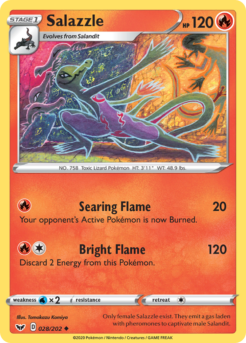
Sword & Shield
Only female Salazzle exist. They emit a gas laden with pheromones to captivate male Salandit.
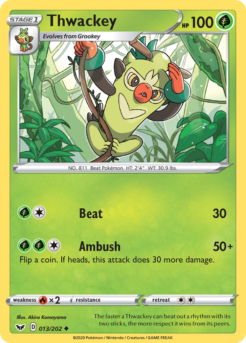
Sword & Shield
The faster a Thwackey can beat out a rhythm with its two sticks, the more respect it wins from its peers.
Sword & Shield
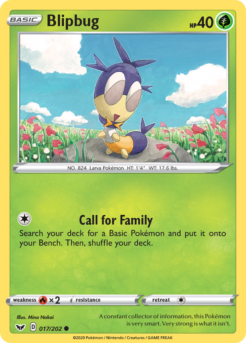
A constant collector of information, this Pokémon is very smart. Very strong is what it isn't.
Sword & Shield
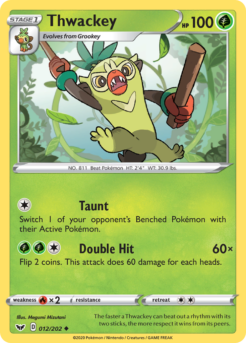
The faster a Thwackey can beat out a rhythm with its two sticks, the more respect it wins from its peers.
Sword & Shield
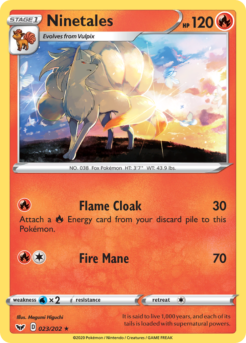
It is said to live 1,000 years, and each of its tails is loaded with supernatural powers.
Sword & Shield
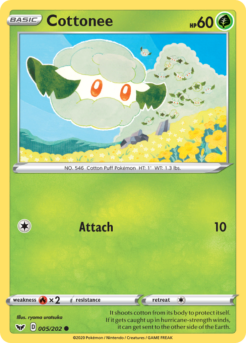
It shoots cotton from its body to protect itself. If it gets caught up in hurricane-strength winds, it can get sent to the other side of the Earth.
Sword & Shield
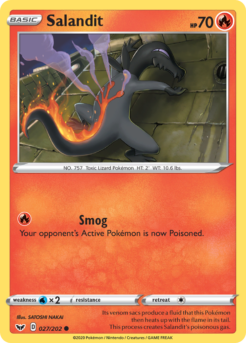
Its venom sacs produce a fluid that this Pokémon then heats up with the flame in its tail. This process creates Salandit's poisonous gas.