



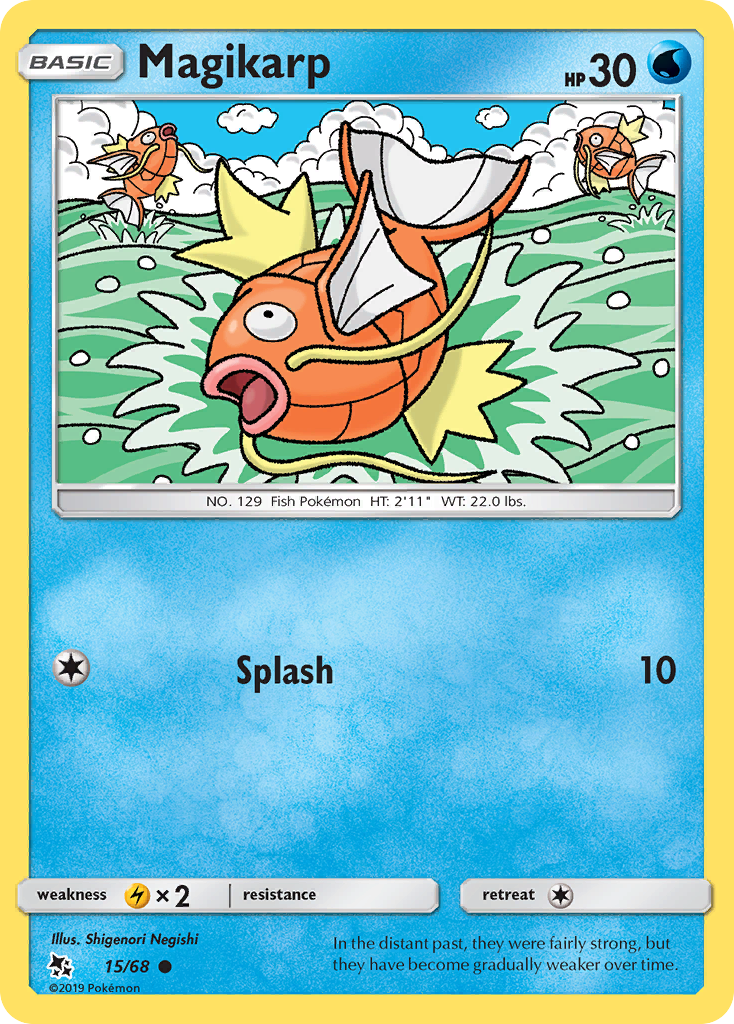
Magikarp
In the distant past, they were fairly strong, but they have become gradually weaker over time.
| Supertype | Pokémon |
|---|---|
| Subtype | Basic |
| HP | 30 |
| Types | Water |
| Attack | Splash |
| Attack cost | Colorless |
| Artist | Shigenori Negishi |
| Rarity | Common |
| Pokédex | 129 |
| Evolves to | Gyarados |
Informatie verkoper
- Shopnaam: DutchGem
- Verkoper DutchGem
-
Adres:
gekkestraat
179
2345GT Utrecht
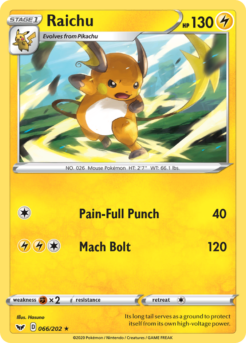
Sword & Shield
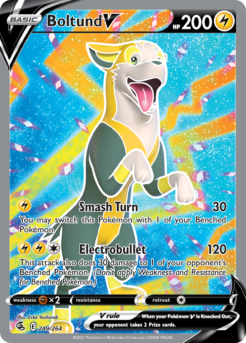
Its long tail serves as a ground to protect itself from its own high-voltage power.
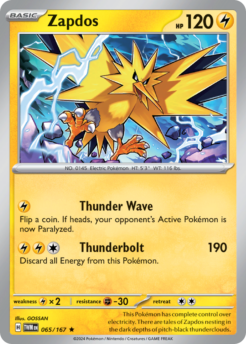
Scarlet & Violet
This Pokémon has complete control over electricity. There are tales of Zapdos nesting in the dark depths of pitch-black thunderclouds.
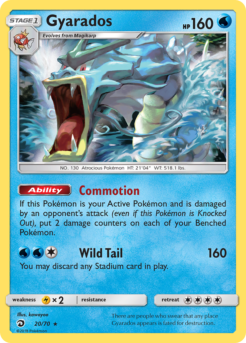
Dragon Majesty
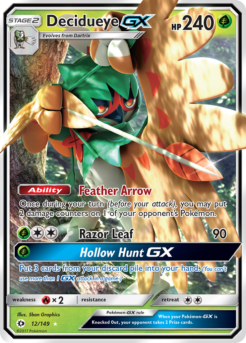
There are people who swear that any place Gyarados appears is fated for destruction.
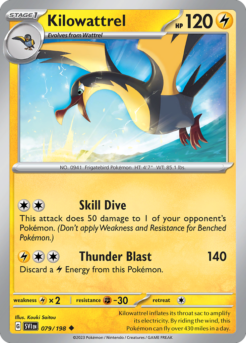
Scarlet & Violet
Kilowattrel inflates its throat sac to amplify its electricity. By riding the wind, this Pokémon can fly over 430 miles in a day.
Scarlet & Violet
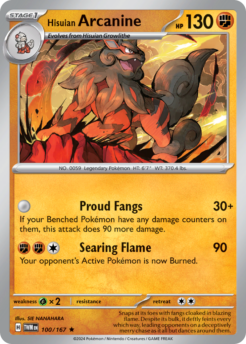
Snaps at its foes with fangs cloaked in blazing flame. Despite its bulk, it deftly feints every which way, leading opponents on a deceptively merry chase as it all but dances around them.
Gerelateerde producten
Sun & Moon
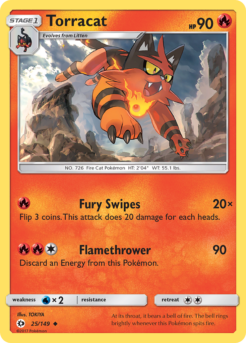
At its throat, it bears a bell of fire. The bell rings brightly whenever this Pokémon spits fire.
Sun & Moon
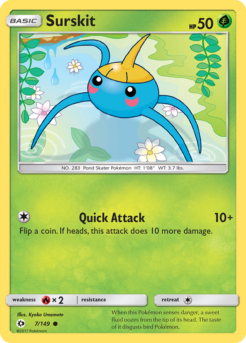
When this Pokémon senses danger, a sweet fluid oozes from the tip of its heads. The taste of it disgusts bird Pokémon.
Sun & Moon
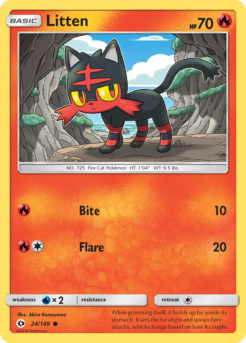
While grooming itself, it builds up fur inside its stomach. It sets the fur alight and spews fiery attacks, which change based on how it coughs.
Sun & Moon
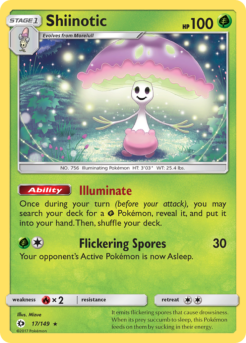
It emits flickering spores that cause drowsiness. When its prey succumb to sleep, this Pokémon feeds on them by sucking in their energy.
Sun & Moon
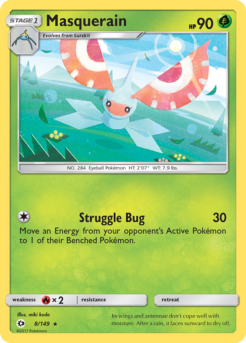
Its wings and antennae don't cope well with moisture. After a rain, it faces sunward to dry off.
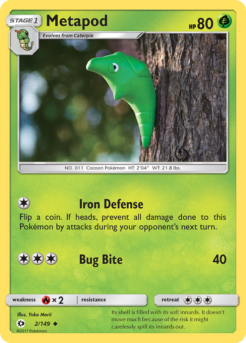
Sun & Moon
Its shell is filled with its soft innards. It doesn't move much because of the risk it might carelessly spill its innards out.
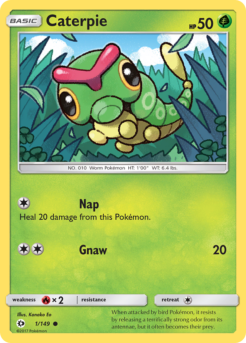
Sun & Moon
When attacked by bird Pokémon, it resists by releasing a terrifically strong odor from its antennae, but it often becomes their prey.