



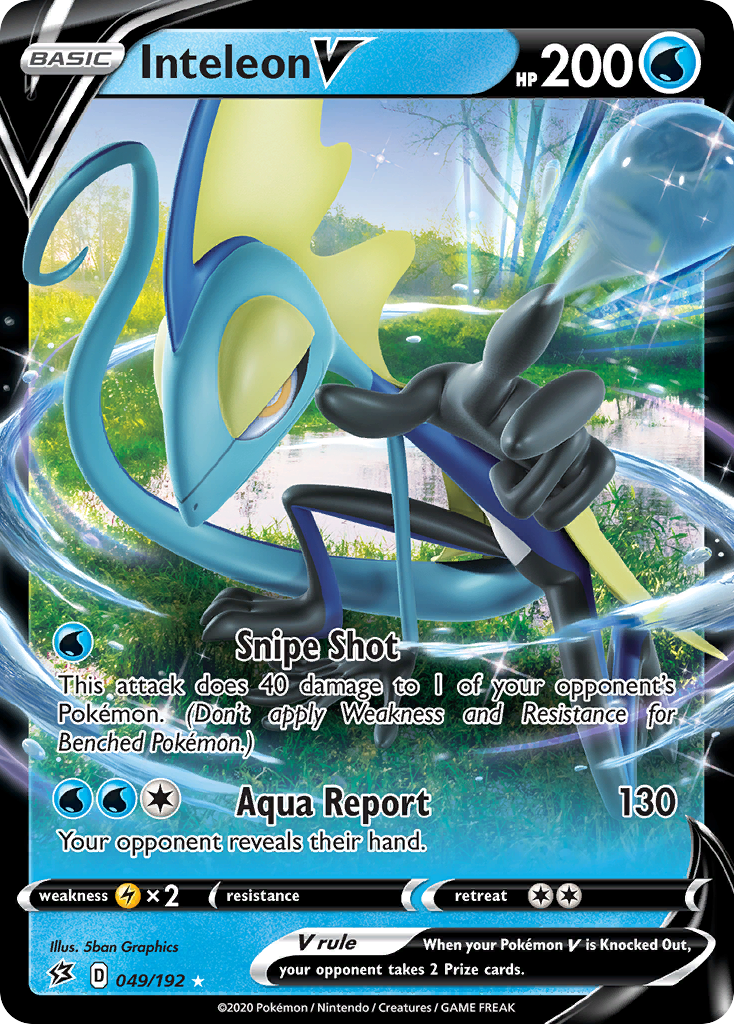
This attack does 40 damage to 1 of your opponent’s Pokémon. (Don’t apply Weakness and Resistance for Benched Pokémon.)
| Supertype | Pokémon |
|---|---|
| Subtype | Basic |
| HP | 200 |
| Types | Water |
| Attack | Snipe Shot |
| Attack cost | Water |
| Artist | 5ban Graphics |
| Rarity | Rare Holo V |
| Pokédex | 818 |
Informatie verkoper
- Shopnaam: DutchGem
- Verkoper DutchGem
-
Adres:
gekkestraat
179
2345GT Utrecht
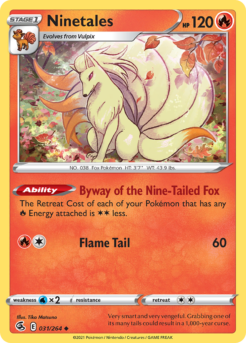
Fusion Strike
Very smart and very vengeful. Grabbing one of its many tails could result in a 1,000-year curse.
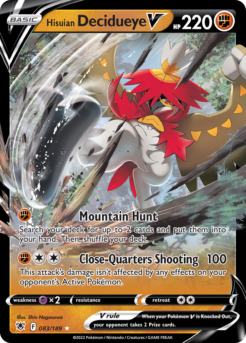
Astral Radiance
Search your deck for up to 2 cards and put them into your hand. Then, shuffle your deck.
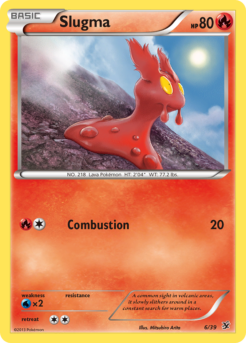
Kalos Starter Set
A common sight in volcanic areas, it slowly slithers around in a constant search for warm places.
Guardians Rising
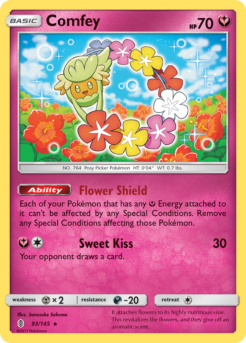
It attaches flowers to its highly nutritious vine. This revitalizes the flowers, and they give off an aromatic scent.
Evolutions
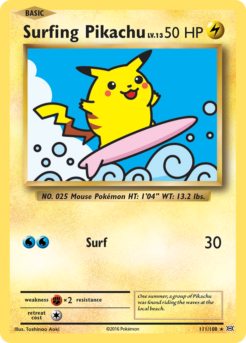
One summer, a group of Pikachu was found riding the waves at the local beach.
Gerelateerde producten
Sword & Shield
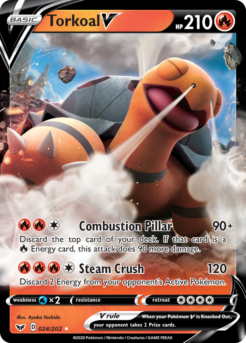
Discard the top card of your deck. If that card is a Fire Energy card, this attack does 90 more damage.
Sword & Shield
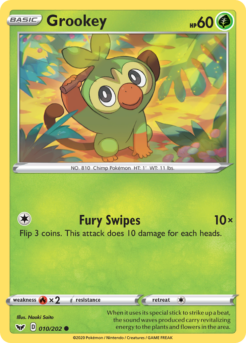
When it uses its special stick to strike up a beat, the sound waves produced carry revitalizing energy to the plants and flowers in the area.
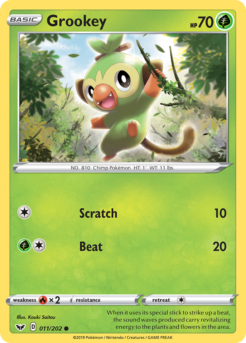
Sword & Shield
When it uses its special stick to strike up a beat, the sound waves produced carry revitalizing energy to the plants and flowers in the area.
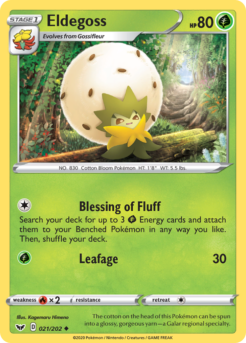
Sword & Shield
The cotton on the head of this Pokémon can be spun into a glossy, gorgeous yarn—a Galar regional specialty.
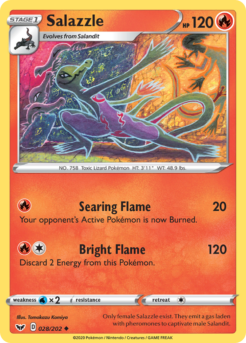
Sword & Shield
Only female Salazzle exist. They emit a gas laden with pheromones to captivate male Salandit.
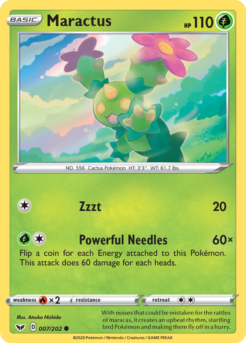
Sword & Shield
With noises that could be mistaken for the rattles of maracas, it creates an upbeat rhythm, startling bird Pokémon and making them fly off in a hurry.
Sword & Shield
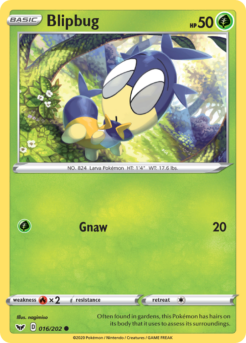
Often found in gardens, this Pokémon has hairs on its body that it uses to assess its surroundings.
Sword & Shield
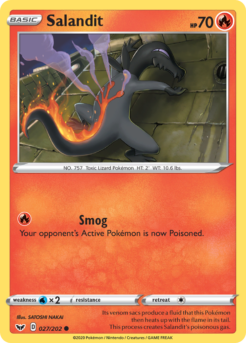
Its venom sacs produce a fluid that this Pokémon then heats up with the flame in its tail. This process creates Salandit's poisonous gas.