



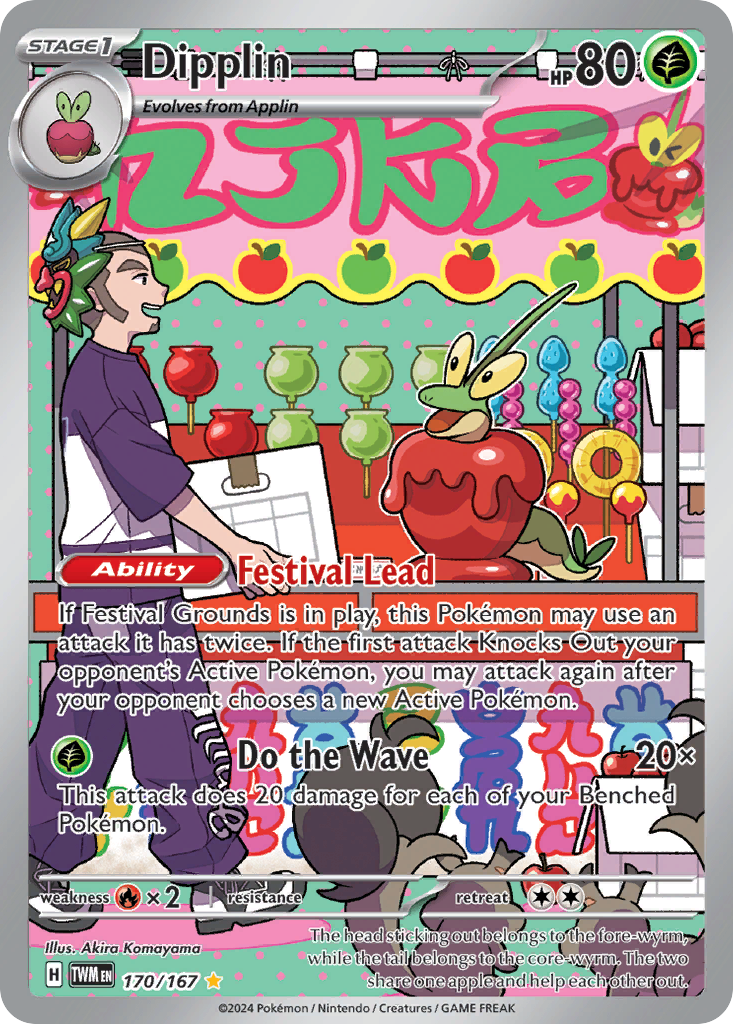
Dipplin
The head sticking out belongs to the fore-wyrm, while the tail belongs to the core-wyrm. The two share one apple and help each other out.
This attack does 20 damage for each of your Benched Pokémon.
| Supertype | Pokémon |
|---|---|
| Subtype | Stage 1 |
| HP | 80 |
| Types | Grass |
| Attack | Do the Wave |
| Attack cost | Grass |
| Artist | Akira Komayama |
| Rarity | Illustration Rare |
| Pokédex | 1011 |
| Evolves from | Applin |
Informatie verkoper
- Shopnaam: DutchGem
- Verkoper DutchGem
-
Adres:
gekkestraat
179
2345GT Utrecht
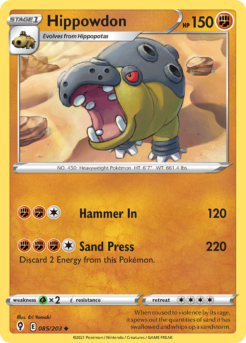
Evolving Skies
When roused to violence by its rage, it spews out the quantities of sand it has swallowed and whips up a sandstorm.
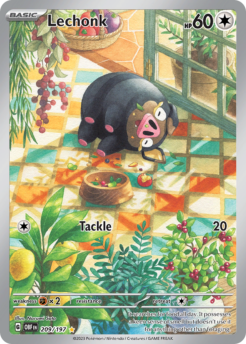
Obsidian Flames
It searches for food all day. It possesses a keen sense of smell but doesn't use it for anything other than foraging.
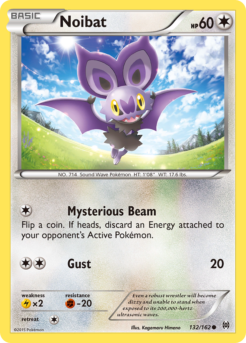
BREAKthrough
Even a robust wrestler will become dizzy and unable to stand when exposed to its 200,000-hertz ultrasonic waves.
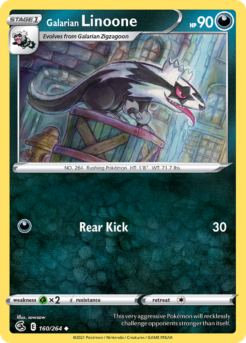
Fusion Strike
This very aggressive Pokémon will recklessly challenge opponents stronger than itself.
Gerelateerde producten
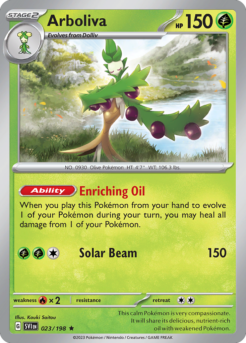
Scarlet & Violet
This calm Pokémon is very compassionate. It will share its delicious, nutrient-rich oil with weakened Pokémon.
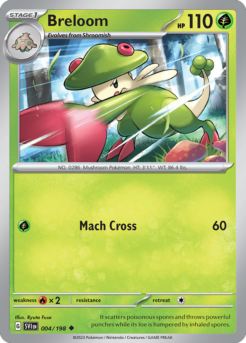
Scarlet & Violet
It scatters poisonous spores and throws powerful punches while its foe is hampered by inhaled spores.
Scarlet & Violet
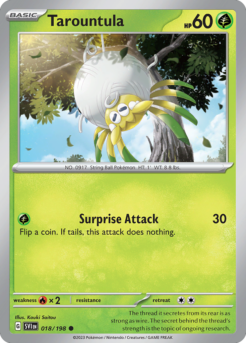
The thread it secretes from its rear is as strong as wire. The secret behind the thread's strength is the topic of ongoing research.
Scarlet & Violet
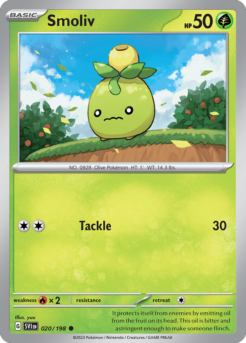
It protects itself from enemies by emitting oil from the fruit on its head. This oil is bitter and astringent enough to make someone flinch.
Scarlet & Violet
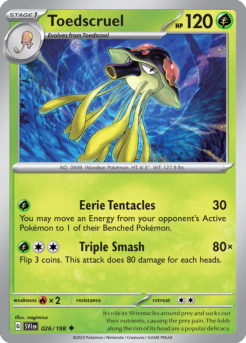
It coils its 10 tentacles around prey and sucks out their nutrients, causing the prey pain. The folds along the rim of its head are a popular delicacy.
Scarlet & Violet
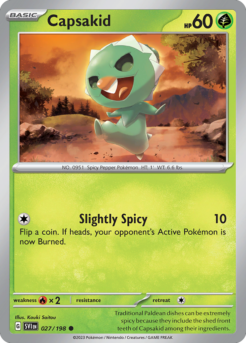
Traditional Paldean dishes can be extremely spicy because they include the shed front teeth of Capsakid among their ingredients.
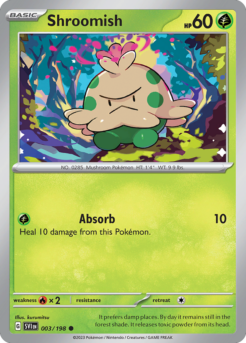
Scarlet & Violet
It prefers damp places. By day it remains still in the forest shade. It releases toxic powder from its head.
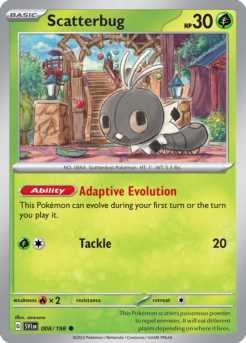
Scarlet & Violet
This Pokémon scatters poisonous powder to repel enemies. It will eat different plants depending on where it lives.