



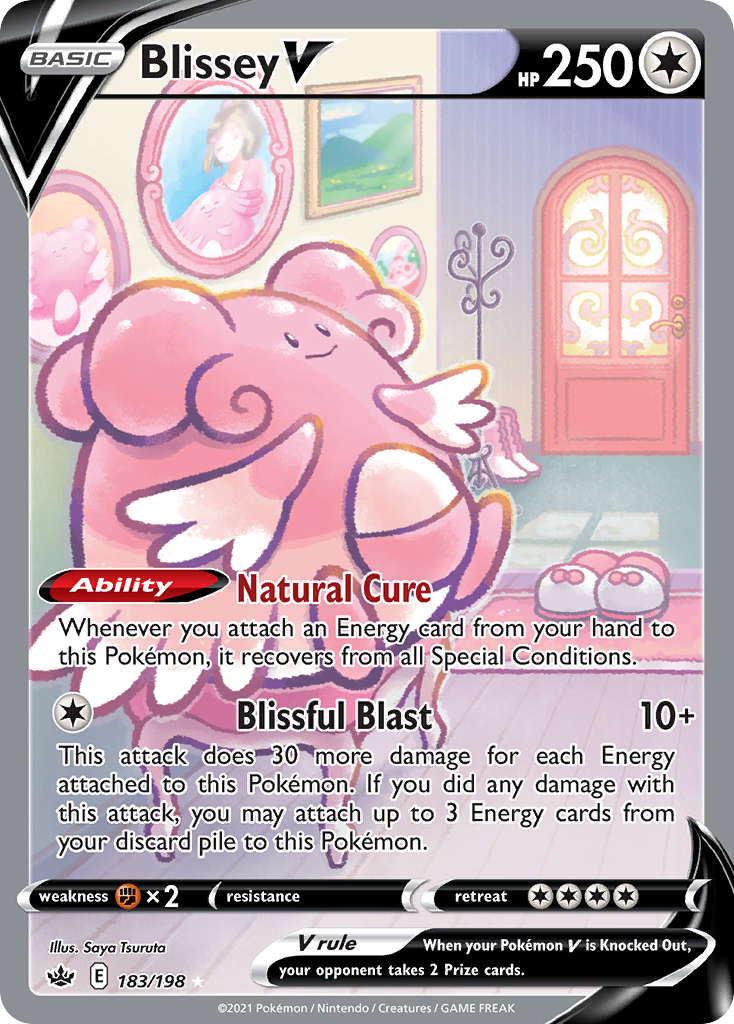
This attack does 30 more damage for each Energy attached to this Pokémon. If you did any damage with this attack, you may attach up to 3 Energy cards from your discard pile to this Pokémon.
| Supertype | Pokémon |
|---|---|
| Subtype | Basic |
| HP | 250 |
| Types | Colorless |
| Attack | Blissful Blast |
| Attack cost | Colorless |
| Artist | Saya Tsuruta |
| Rarity | Rare Ultra |
| Pokédex | 242 |
Informatie verkoper
- Shopnaam: DutchGem
- Verkoper DutchGem
-
Adres:
gekkestraat
179
2345GT Utrecht
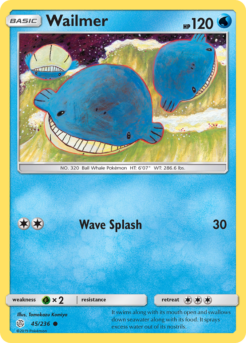
Cosmic Eclipse
It swims along with its mouth open and swallows down seawater along with its food. It sprays excess water out of its nostrils.
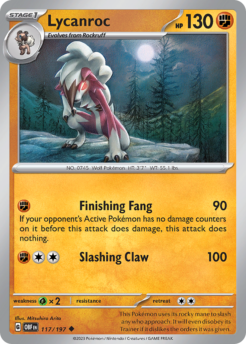
Obsidian Flames
This Pokémon uses its rocky mane to slash any who approach. It will even disobey its Trainer if it dislikes the orders it was given.
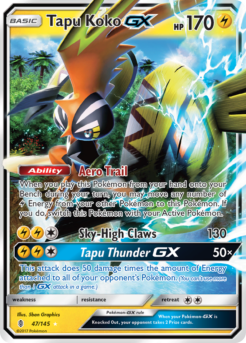
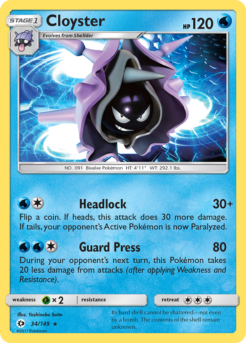
Sun & Moon
Its hard shell cannot be shattered—not even by a bomb. The contents of the shell remain unknown.
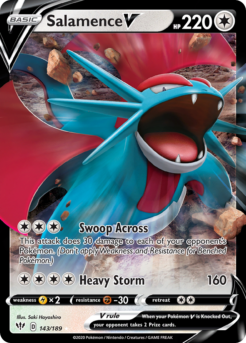
Darkness Ablaze
This attack does 30 damage to each of your opponent’s Pokémon. (Don’t apply Weakness and Resistance for Benched Pokémon.)
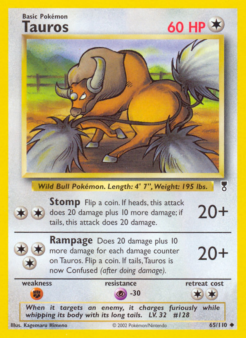
Base
When it targets an enemy, it charges furiously while whipping its body with its long tails.
Gerelateerde producten
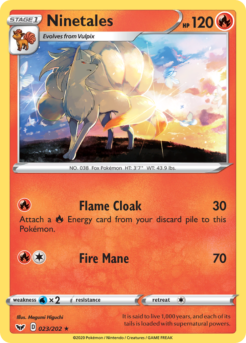
Sword & Shield
It is said to live 1,000 years, and each of its tails is loaded with supernatural powers.
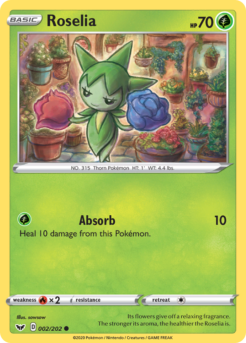
Sword & Shield
Its flowers give off a relaxing fragrance. The stronger its aroma, the healthier the Roselia is.
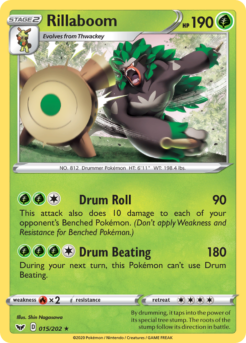
Sword & Shield
By drumming, it taps into the power of its special tree stump. The roots of the stump follow its direction in battle.
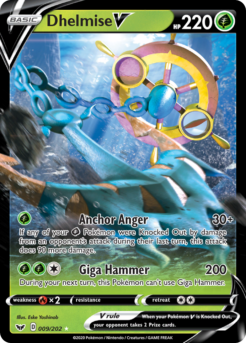
Sword & Shield
If any of your Grass Pokémon were Knocked Out by damage from an opponent’s attack during their last turn, this attack does 90 more damage.
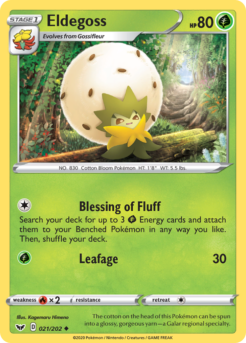
Sword & Shield
The cotton on the head of this Pokémon can be spun into a glossy, gorgeous yarn—a Galar regional specialty.
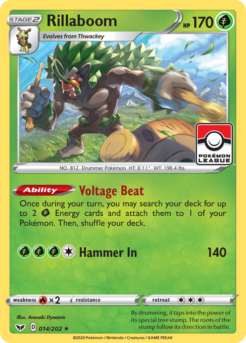
Sword & Shield
By drumming, it taps into the power of its special tree stump. The roots of the stump follow its direction in battle.
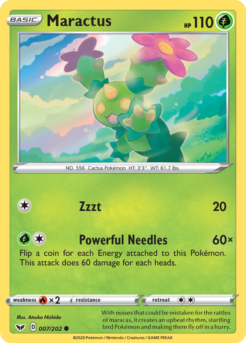
Sword & Shield
With noises that could be mistaken for the rattles of maracas, it creates an upbeat rhythm, startling bird Pokémon and making them fly off in a hurry.
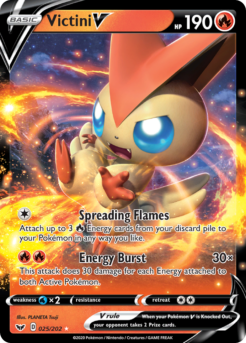
Sword & Shield
Attach up to 3 Fire Energy cards from your discard pile to your Pokémon in any way you like.