



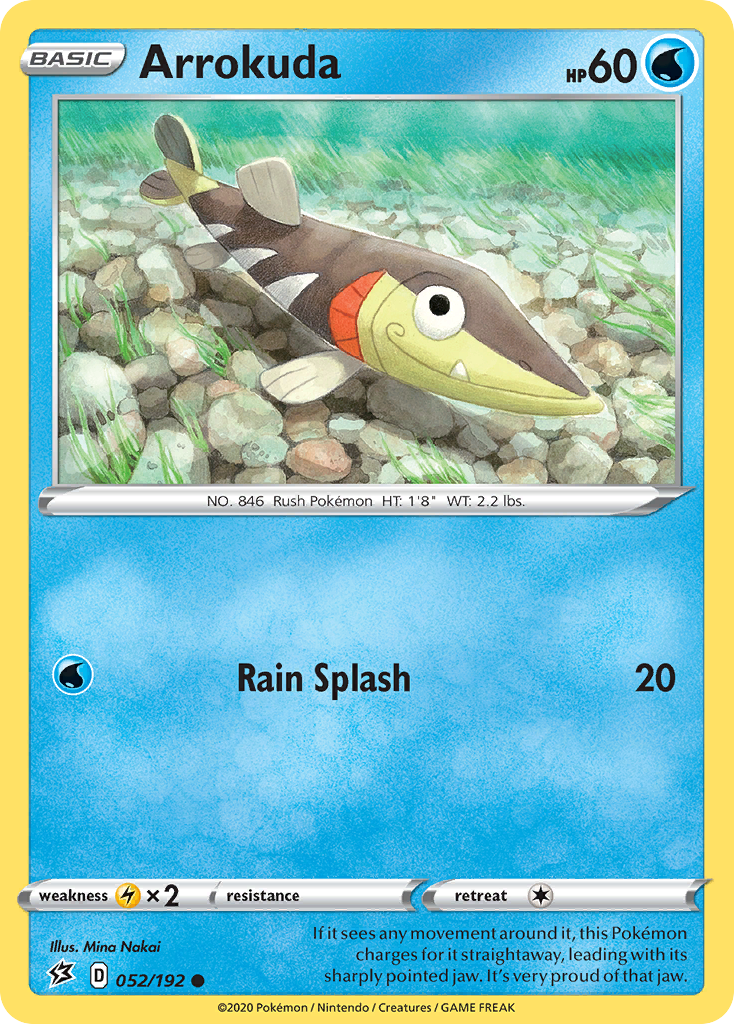
Arrokuda
If it sees any movement around it, this Pokémon charges for it straightaway, leading with its sharply pointed jaw. It’s very proud of that jaw.
| Supertype | Pokémon |
|---|---|
| Subtype | Basic |
| HP | 60 |
| Types | Water |
| Attack | Rain Splash |
| Attack cost | Water |
| Artist | Mina Nakai |
| Rarity | Common |
| Pokédex | 846 |
| Evolves to | Barraskewda |
Informatie verkoper
- Shopnaam: DutchGem
- Verkoper DutchGem
-
Adres:
gekkestraat
179
2345GT Utrecht
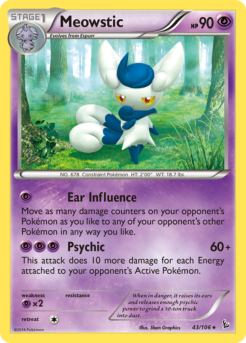
Flashfire
When in danger, it raises its ears and releases enough psychic power to grind a 10-ton truck into dust.
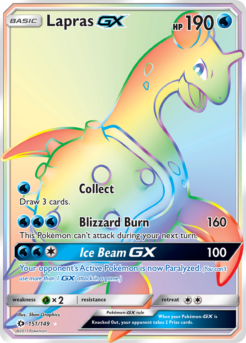
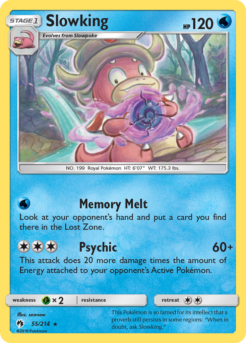
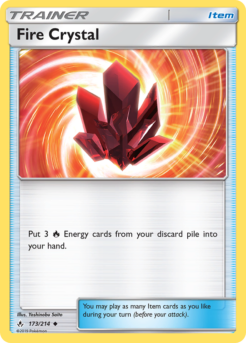
Lost Thunder
This Pokémon is so famed for its intellect that a proverb still persists in some regions: "When in doubt, ask Slowking."
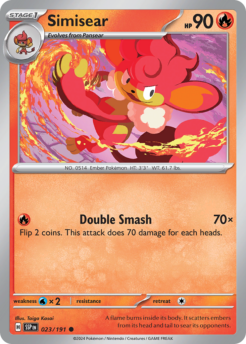
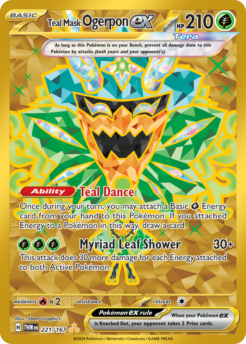
Scarlet & Violet
This attack does 30 more damage for each Energy attached to both Active Pokémon.
Gerelateerde producten
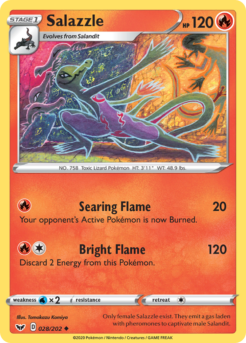
Sword & Shield
Only female Salazzle exist. They emit a gas laden with pheromones to captivate male Salandit.
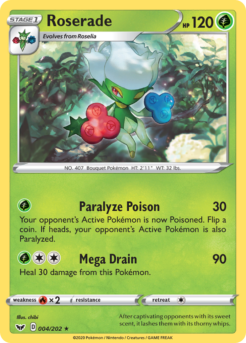
Sword & Shield
After captivating opponents with its sweet scent, it lashes them with its thorny whips.
Sword & Shield
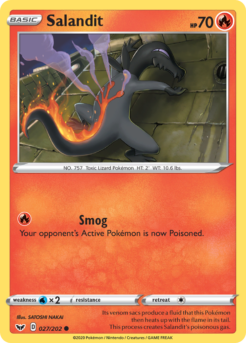
Its venom sacs produce a fluid that this Pokémon then heats up with the flame in its tail. This process creates Salandit's poisonous gas.
Sword & Shield
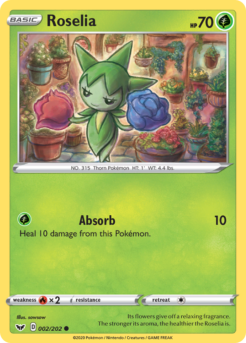
Its flowers give off a relaxing fragrance. The stronger its aroma, the healthier the Roselia is.
Sword & Shield
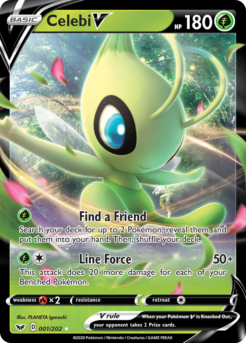
Search your deck for up to 2 Pokémon, reveal them, and put them into your hand. Then, shuffle your deck.
Sword & Shield
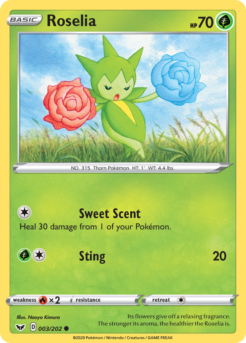
Its flowers give off a relaxing fragrance. The stronger its aroma, the healthier the Roselia is.
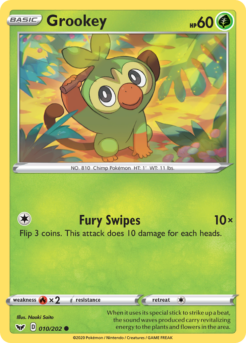
Sword & Shield
When it uses its special stick to strike up a beat, the sound waves produced carry revitalizing energy to the plants and flowers in the area.
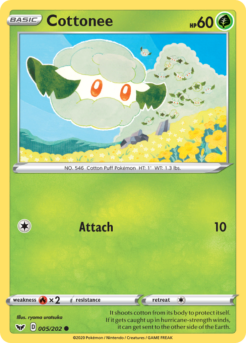
Sword & Shield
It shoots cotton from its body to protect itself. If it gets caught up in hurricane-strength winds, it can get sent to the other side of the Earth.