


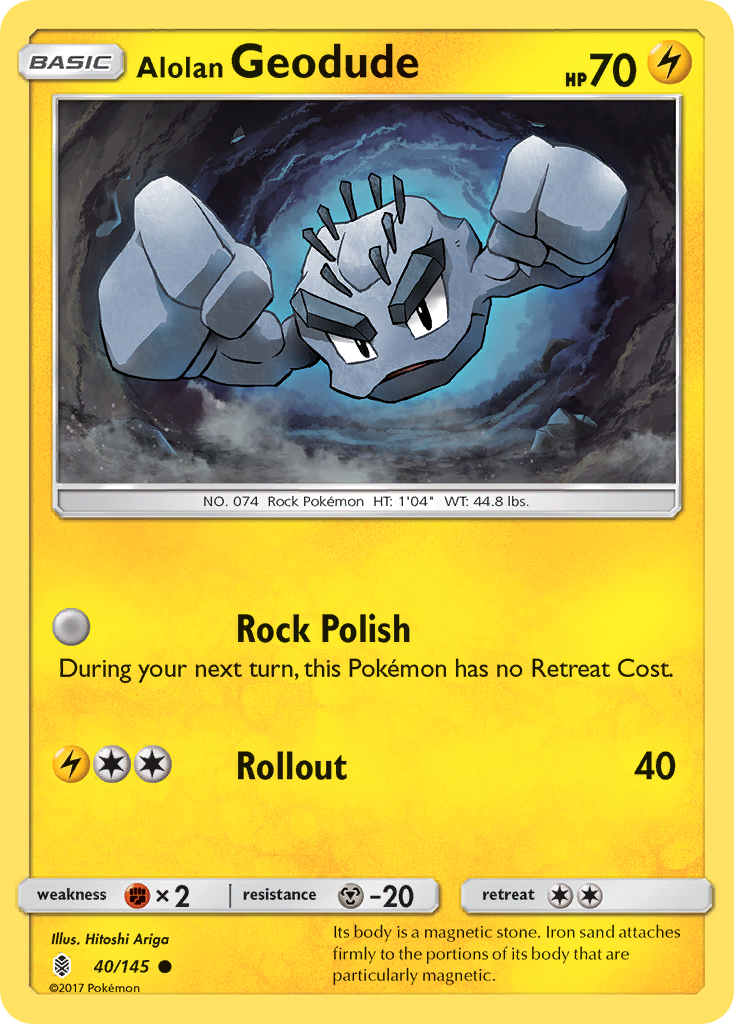
Alolan Geodude
Its body is a magnetic stone. Iron sand attaches firmly to the portions of its body that are particularly magnetic.
During your next turn, this Pokémon has no Retreat Cost.
| Supertype | Pokémon |
|---|---|
| Subtype | Basic |
| HP | 70 |
| Types | Lightning |
| Attack | Rock Polish |
| Artist | Hitoshi Ariga |
| Rarity | Common |
| Pokédex | 74 |
| Evolves to | Graveler |
Informatie verkoper
- Shopnaam: DutchGem
- Verkoper DutchGem
-
Adres:
gekkestraat
179
2345GT Utrecht
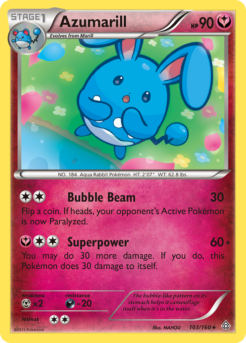
Primal Clash
The bubble-like pattern on its stomach helps it camouflage itself when it's in the water.
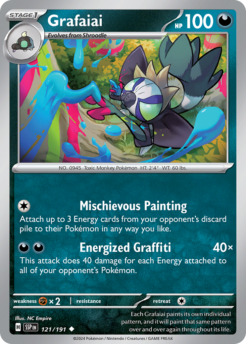
Scarlet & Violet
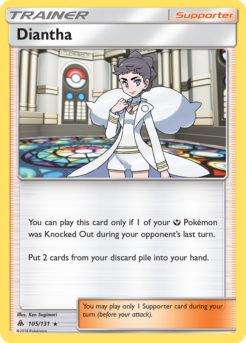
Attach up to 3 Energy cards from your opponent’s discard pile to their Pokémon in any way you like.
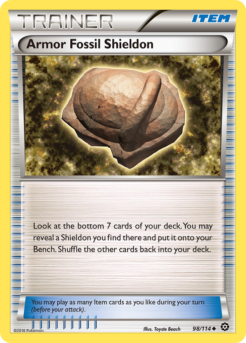
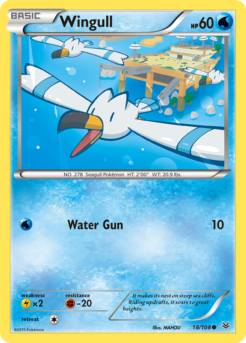
Roaring Skies
It makes its nest on steep sea cliffs. Riding updrafts, it soars to great heights.
Astral Radiance
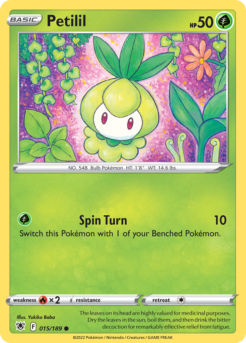
The leaves on its head are highly valued for medicinal purposes. Dry the leaves in the sun, boil them, and then drink the bitter decoction for remarkably effective relief from fatigue.
Gerelateerde producten
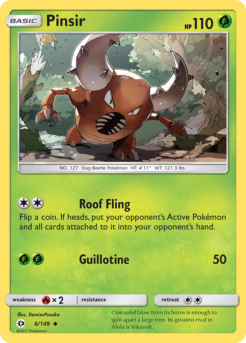
Sun & Moon
One solid blow from its horns is enough to split apart a large tree. Its greatest rival in Alola is Vikavolt.
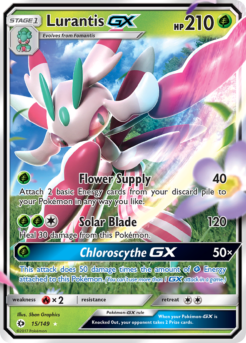
Sun & Moon
Attach 2 basic Energy cards from your discard pile to your Pokémon in any way you like.
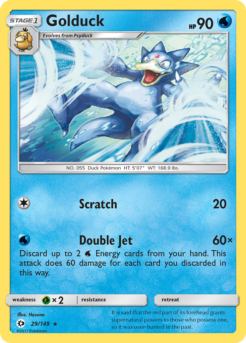
Sun & Moon
It is said that the red part of its forehead grants supernatural powers to those who posses one, so it was over-hunted in the past.
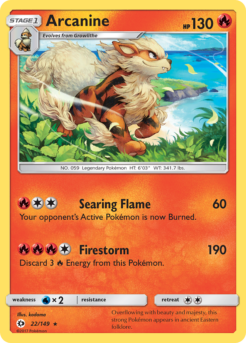
Sun & Moon
Overflowing with beauty and majesty, this strong Pokémon appears in ancient Eastern folklore.
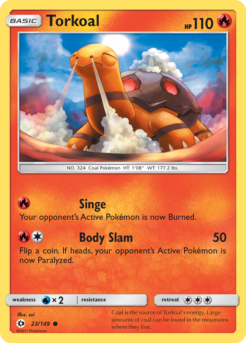
Sun & Moon
Coal is the source of Torkoal's energy. Large amounts of coal can be found in the mounts where they live.
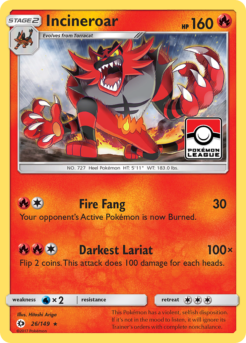
Sun & Moon
This Pokémon has a violent, selfish disposition. If it's not in the mood to listen, it will ignore its Trainer's orders with complete nonchalance.
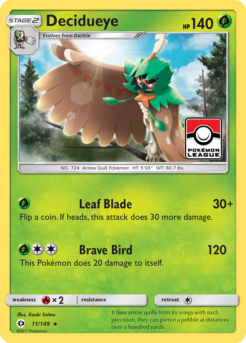
Sun & Moon
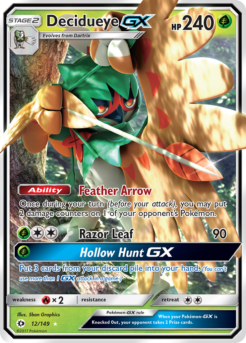
It fires arrow quills from its wings with such precision, they can pierce a pebble at distances over a hundred yards.