



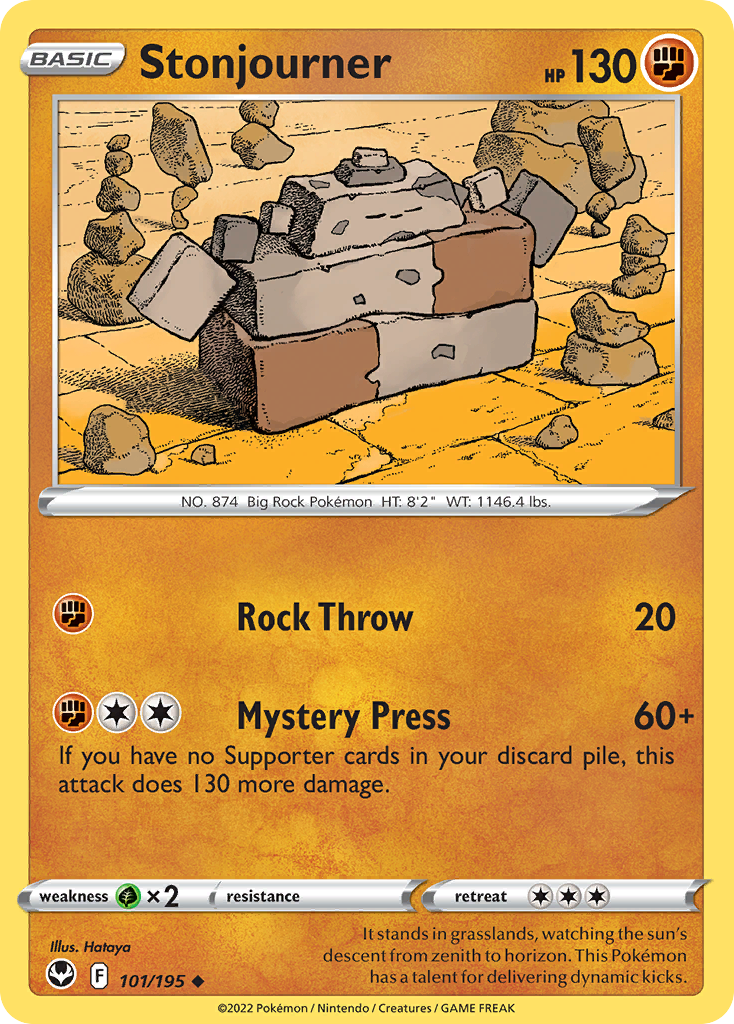
Stonjourner
It stands in grasslands, watching the sun's descent from zenith to horizon. This Pokémon has a talent for delivering dynamic kicks.
| Supertype | Pokémon |
|---|---|
| Subtype | Basic |
| HP | 130 |
| Types | Fighting |
| Attack | Rock Throw |
| Attack cost | Fighting |
| Artist | Hataya |
| Rarity | Uncommon |
| Pokédex | 874 |
Vendor Information
- Store Name: DutchGem
- Vendor: DutchGem
-
Address:
gekkestraat
179
2345GT Utrecht
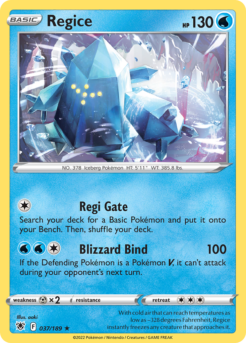
Astral Radiance
With cold air that can reach temperatures as low as −328 degrees Fahrenheit, Regice instantly freezes any creature that approaches it.
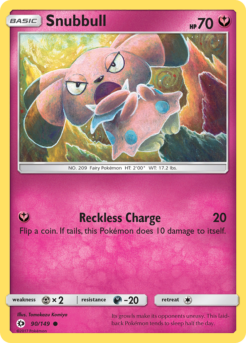
Sun & Moon
Its growls make its opponents uneasy. This laid-back Pokémon tends to sleep half the day.
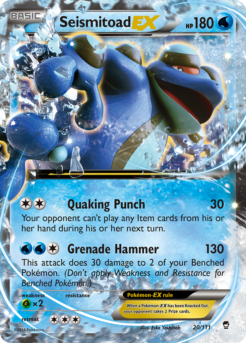
Furious Fists
Your opponent can't play any Item cards from his or her hand during his or her next turn.
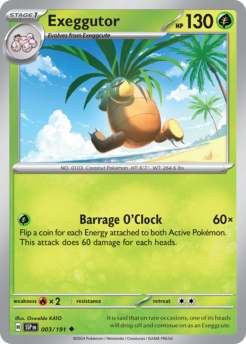
Scarlet & Violet
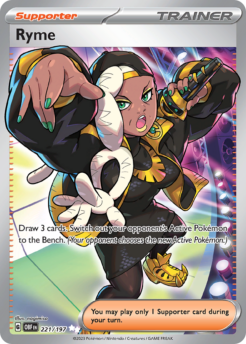
Flip a coin for each Energy attached to both Active Pokémon. This attack does 60 damage for each heads.
Sun & Moon
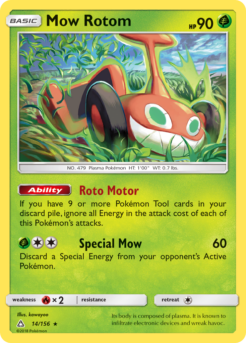
Its body is composed of plasma. It is known to infiltrate electronic devices and wreak havoc.
מוצרים קשורים
Sword & Shield
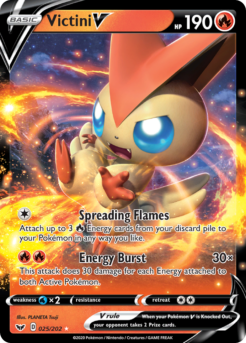
Attach up to 3 Fire Energy cards from your discard pile to your Pokémon in any way you like.
Sword & Shield
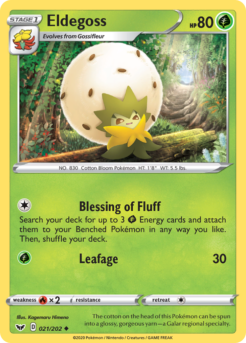
The cotton on the head of this Pokémon can be spun into a glossy, gorgeous yarn—a Galar regional specialty.
Sword & Shield
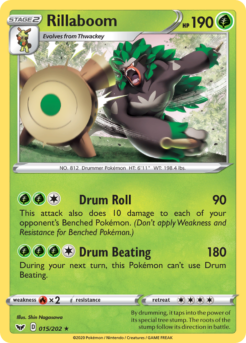
By drumming, it taps into the power of its special tree stump. The roots of the stump follow its direction in battle.
Sword & Shield
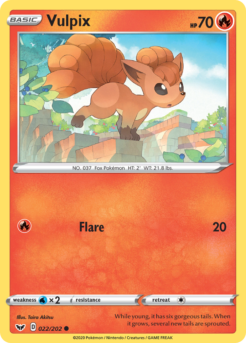
While young, it has six gorgeous tails. When it grows, several new tails are sprouted.
Sword & Shield
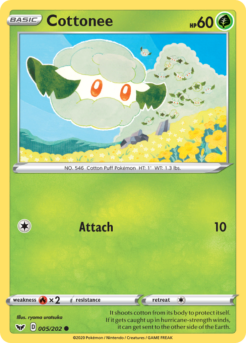
It shoots cotton from its body to protect itself. If it gets caught up in hurricane-strength winds, it can get sent to the other side of the Earth.
Sword & Shield
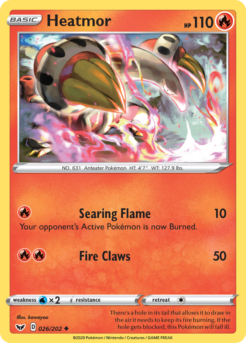
There's a hole in its tail that allows it to draw in the air it needs to keep its fire burning. If the hole gets blocked, this Pokémon will fall ill.
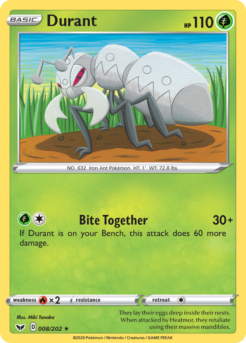
Sword & Shield
They lay their eggs deep inside their nests. When attacked by Heatmor, they retaliate using their massive mandibles.
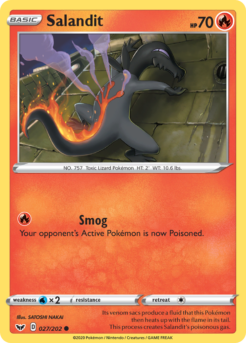
Sword & Shield
Its venom sacs produce a fluid that this Pokémon then heats up with the flame in its tail. This process creates Salandit's poisonous gas.