



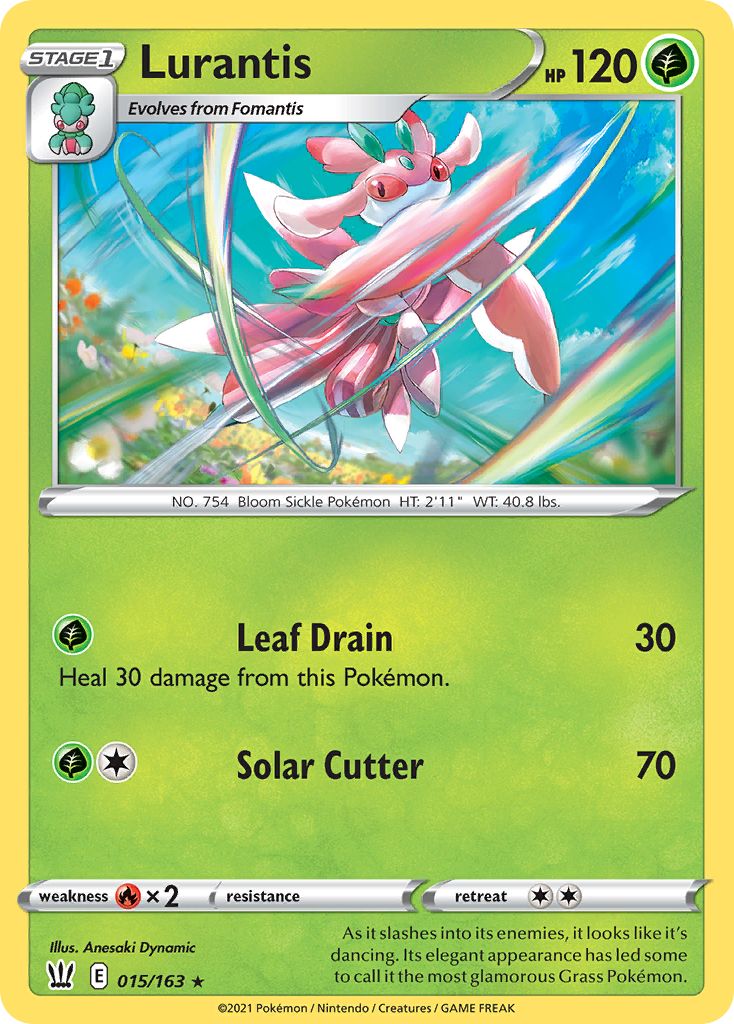
Lurantis
As it slashes into its enemies, it looks like it's dancing. Its elegant appearance has led some to call it the most glamorous Grass Pokémon.
Heal 30 damage from this Pokémon.
| Supertype | Pokémon |
|---|---|
| Subtype | Stage 1 |
| HP | 120 |
| Types | Grass |
| Attack | Leaf Drain |
| Attack cost | Grass |
| Artist | Anesaki Dynamic |
| Rarity | Rare |
| Pokédex | 754 |
| Evolves from | Fomantis |
Vendor Information
- Store Name: DutchGem
- Vendor: DutchGem
-
Address:
gekkestraat
179
2345GT Utrecht
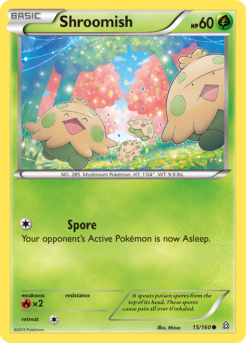
Primal Clash
It spouts poison spores from the top of its head. These spores cause pain all over if inhaled.
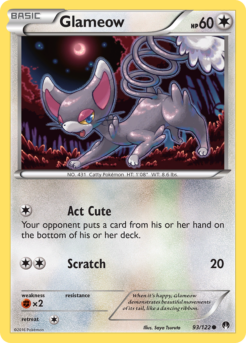
BREAKpoint
When it's happy, Glameow demonstrates beautiful movements of its tail, like a dancing ribbon.
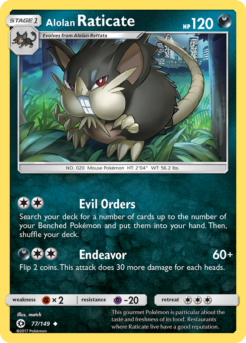
Sun & Moon
This gourmet Pokémon is particular about the taste and freshness of its food. Restaurants where Raticate live have a good reputation.
Sun & Moon
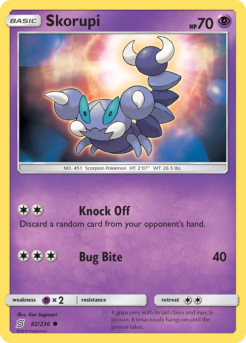
It grips prey with its tail claws and injects poison. It tenaciously hangs on until the poison takes.
Paldean Fates
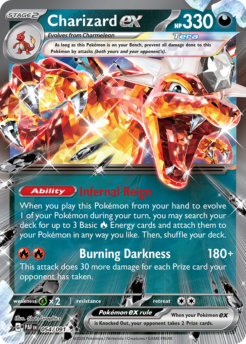
This attack does 30 more damage for each Prize card your opponent has taken.
מוצרים קשורים
Sword & Shield
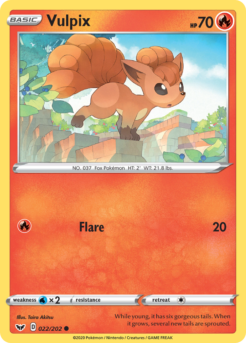
While young, it has six gorgeous tails. When it grows, several new tails are sprouted.
Sword & Shield
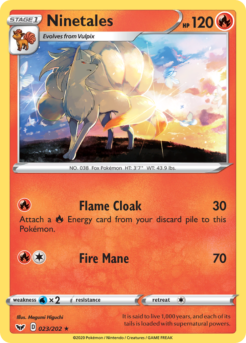
It is said to live 1,000 years, and each of its tails is loaded with supernatural powers.
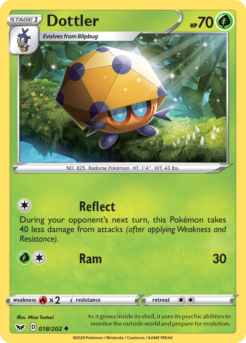
Sword & Shield
As it grows inside its shell, it uses its psychic abilities to monitor the outside world and prepare for evolution.
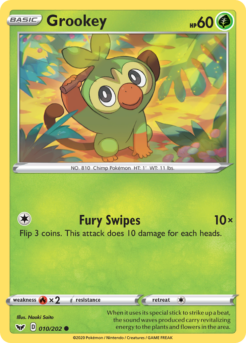
Sword & Shield
When it uses its special stick to strike up a beat, the sound waves produced carry revitalizing energy to the plants and flowers in the area.
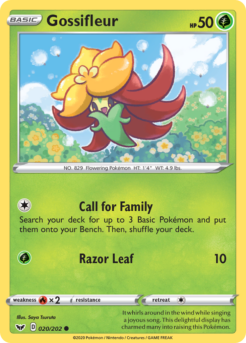
Sword & Shield
It whirls around in the wind while singing a joyous song. This delightful display has charmed many into raising this Pokémon.
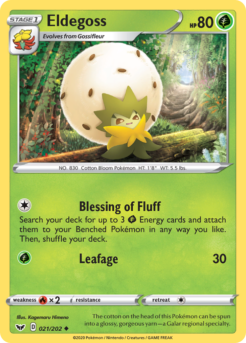
Sword & Shield
The cotton on the head of this Pokémon can be spun into a glossy, gorgeous yarn—a Galar regional specialty.
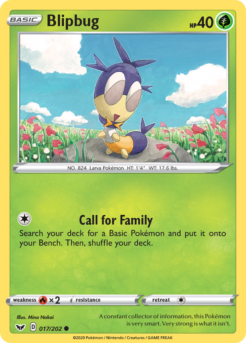
Sword & Shield
A constant collector of information, this Pokémon is very smart. Very strong is what it isn't.
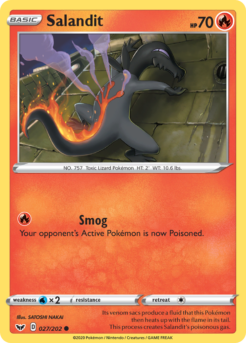
Sword & Shield
Its venom sacs produce a fluid that this Pokémon then heats up with the flame in its tail. This process creates Salandit's poisonous gas.