



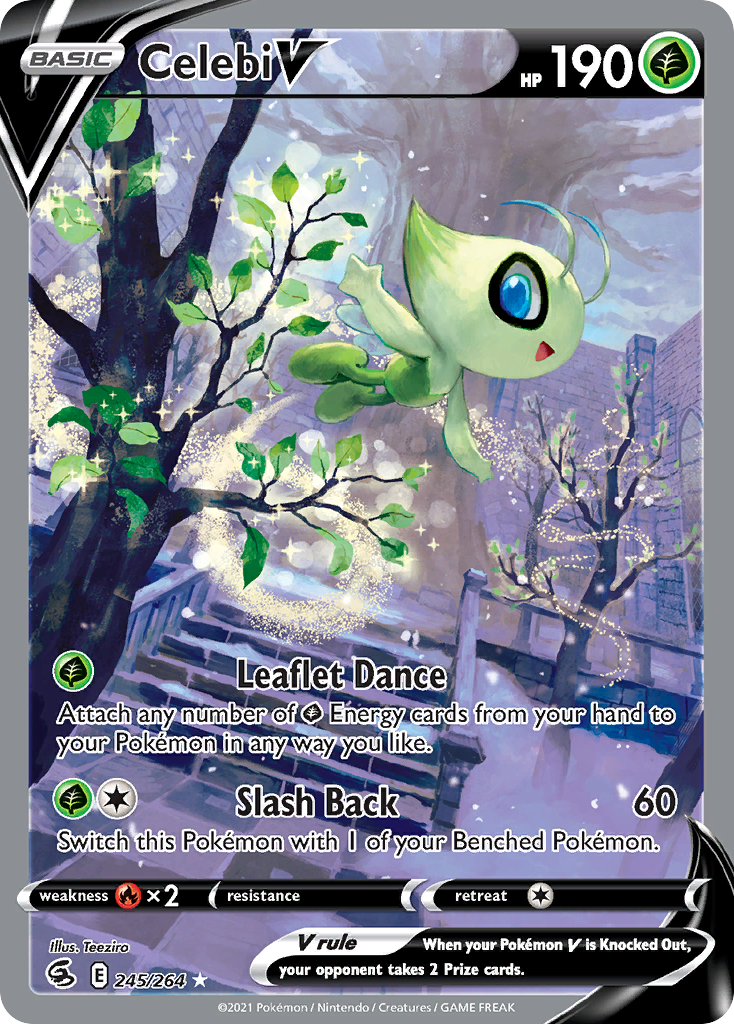

Attach any number of Grass Energy cards from your hand to your Pokémon in any way you like.
| Supertype | Pokémon |
|---|---|
| Subtype | Basic |
| HP | 190 |
| Types | Grass |
| Attack | Leaflet Dance |
| Attack cost | Grass |
| Artist | Teeziro |
| Rarity | Rare Ultra |
| Pokédex | 251 |
Vendor Information
- Store Name: DutchGem
- Vendor: DutchGem
-
Address:
gekkestraat
179
2345GT Utrecht
Scarlet & Violet
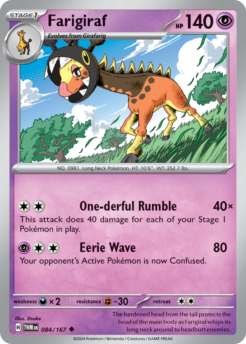
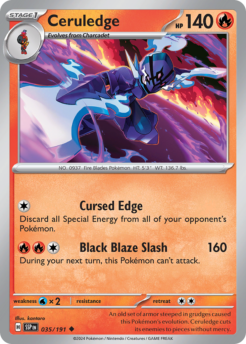
The hardened head from the tail protects the head of the main body as Farigiraf whips its long neck around to headbutt enemies.
Lost Thunder
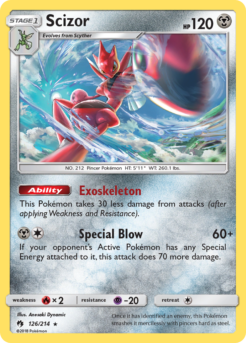
Once it has identified an enemy, this Pokémon smashes it mercilessly with pincers hard as steel.
Sun & Moon
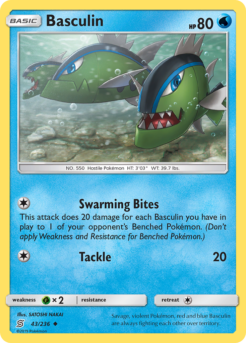
Savage, violent Pokémon, red and blue Basculin are always fighting each other over territory.
Lost Origin
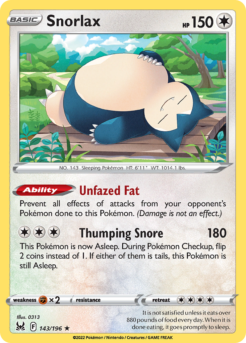
It is not satisfied unless it eats over 880 pounds of food every day. When it is done eating, it goes promptly to sleep.
Darkness Ablaze
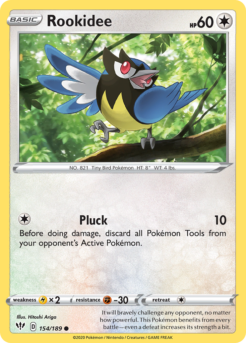
It will bravely challenge any opponent, no matter how powerful. This Pokémon benefits from every battle—even a defeat increases its strength a bit.
מוצרים קשורים

Sword & Shield
Search your deck for up to 2 Pokémon, reveal them, and put them into your hand. Then, shuffle your deck.
Sword & Shield
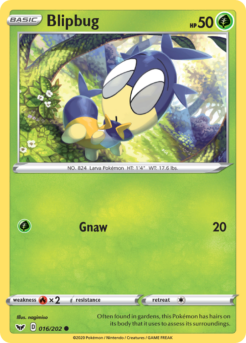
Often found in gardens, this Pokémon has hairs on its body that it uses to assess its surroundings.
Sword & Shield
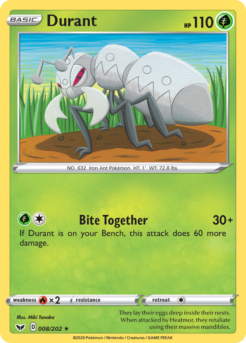
They lay their eggs deep inside their nests. When attacked by Heatmor, they retaliate using their massive mandibles.
Sword & Shield
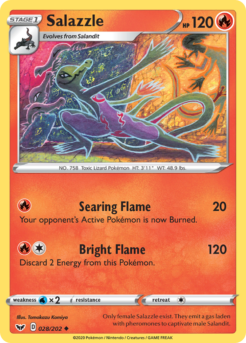
Only female Salazzle exist. They emit a gas laden with pheromones to captivate male Salandit.
Sword & Shield
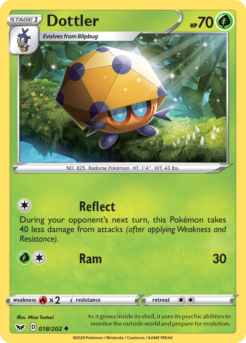
As it grows inside its shell, it uses its psychic abilities to monitor the outside world and prepare for evolution.
Sword & Shield
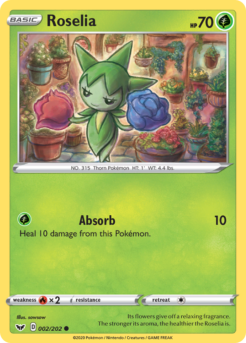
Its flowers give off a relaxing fragrance. The stronger its aroma, the healthier the Roselia is.
Sword & Shield
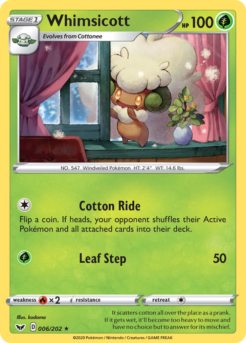
It scatters cotton all over the place as a prank. If it gets wet, it'll become too heavy to move and have no choice but to answer for its mischief.
Sword & Shield
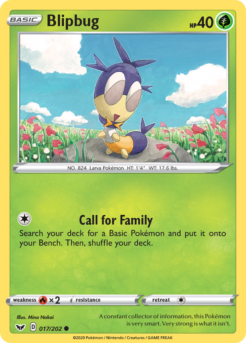
A constant collector of information, this Pokémon is very smart. Very strong is what it isn't.