



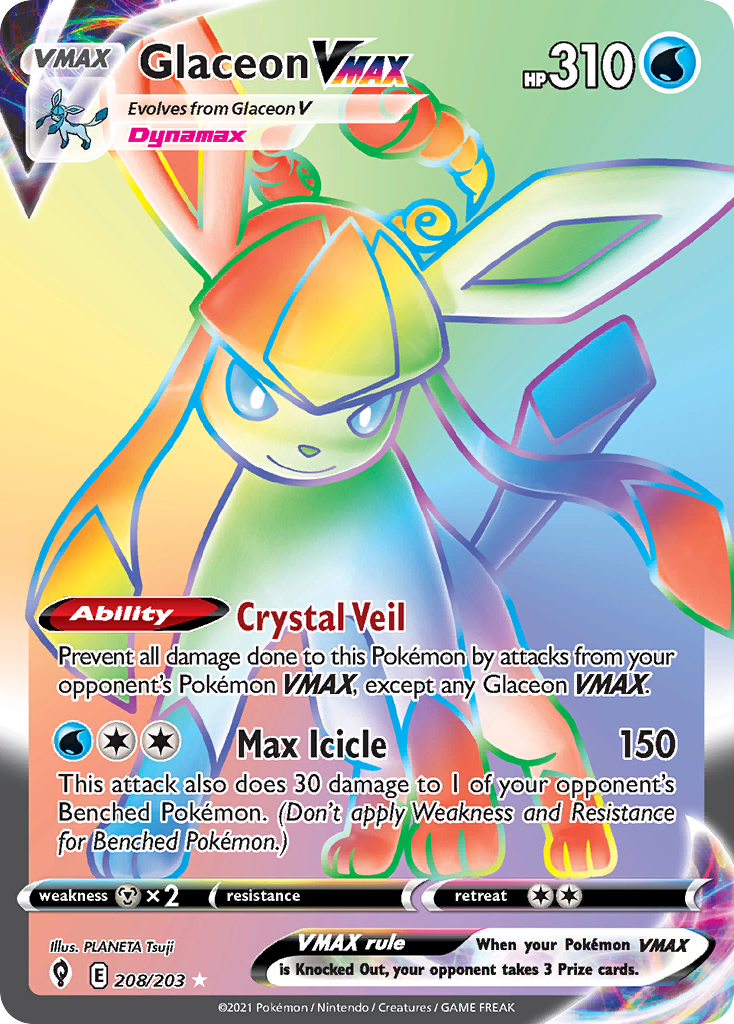

This attack also does 30 damage to 1 of your opponent’s Benched Pokémon. (Don’t apply Weakness and Resistance for Benched Pokémon.)
| Supertype | Pokémon |
|---|---|
| Subtype | VMAX |
| HP | 310 |
| Types | Water |
| Attack | Max Icicle |
| Attack cost | Water |
| Artist | PLANETA Tsuji |
| Rarity | Rare Rainbow |
| Pokédex | 471 |
| Evolves from | Glaceon V |
Vendor Information
- Store Name: DutchGem
- Vendor: DutchGem
-
Address:
gekkestraat
179
2345GT Utrecht
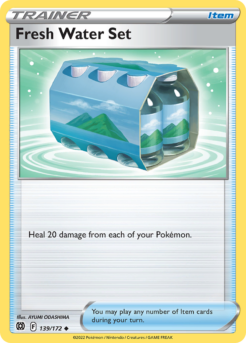
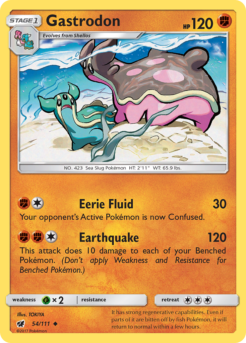
Crimson Invasion
It has strong regenerative capabilities. Even if parts of it are bitten off by fish Pokémon, it will return to normal within a few hours.
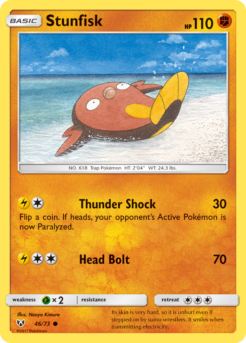
Shining Legends
Its skin is very hard, so it is unhurt even if stepped on by sumo wrestlers. It smiles when transmitting electricity.
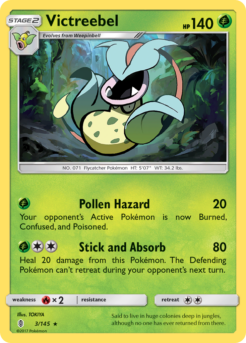
Guardians Rising
Said to live in huge colonies deep in jungles, although no one has ever returned from there.
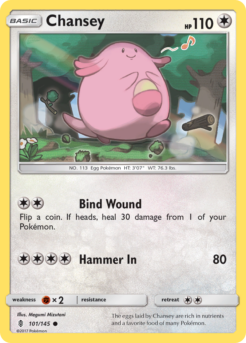
Guardians Rising
The eggs laid by Chansey are rich in nutrients and a favorite food of many Pokémon.
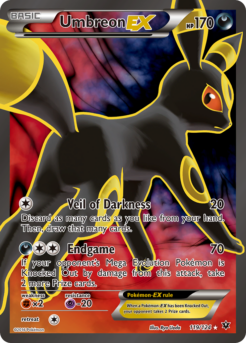
Fates Collide
Discard as many cards as you like from your hand. Then, draw that many cards.