



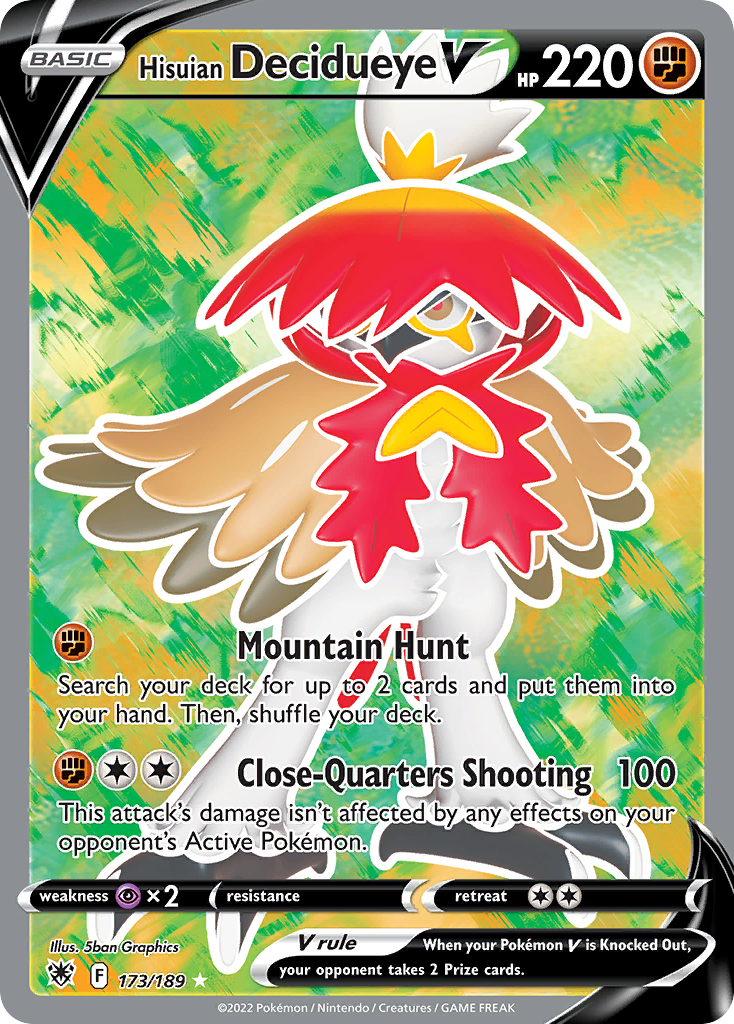
Search your deck for up to 2 cards and put them into your hand. Then, shuffle your deck.
| Supertype | Pokémon |
|---|---|
| Subtype | Basic |
| HP | 220 |
| Types | Fighting |
| Attack | Mountain Hunt |
| Attack cost | Fighting |
| Artist | 5ban Graphics |
| Rarity | Rare Ultra |
| Pokédex | 724 |
Información del vendedor
- Nombre de la tienda: DutchGem
- Vendedor: DutchGem
-
Dirección:
gekkestraat
179
2345GT Utrecht
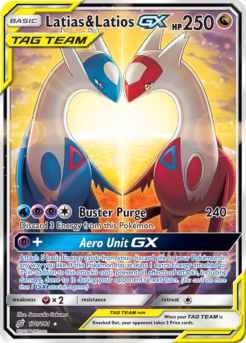
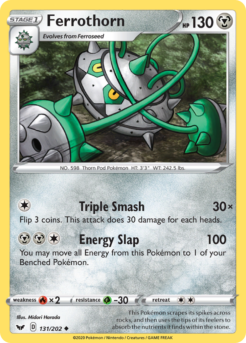
Sword & Shield
This Pokémon scrapes its spikes across rocks, and then uses the tips of its feelers to absorb the nutrients it finds within the stone.
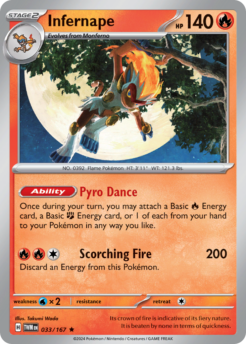
Scarlet & Violet
Its crown of fire is indicative of its fiery nature. It is beaten by none in terms of quickness.

Paldea Evolved
This Pokémon migrated to Paldea from distant lands long ago. The gel secreted by its feathers repels water and grime.
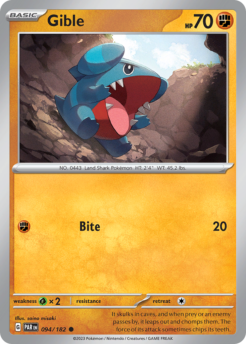
Paradox Rift
It skulks in caves, and when prey or an enemy passes by, it leaps out and chomps them. The force of its attack sometimes chips its teeth.
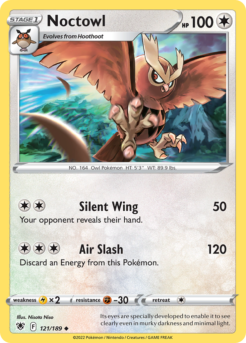
Astral Radiance
Its eyes are specially developed to enable it to see clearly even in murky darkness and minimal light.
Productos relacionados

Sword & Shield
Search your deck for up to 2 Pokémon, reveal them, and put them into your hand. Then, shuffle your deck.

Sword & Shield
Attach up to 3 Fire Energy cards from your discard pile to your Pokémon in any way you like.
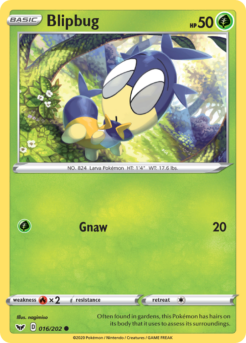
Sword & Shield
Often found in gardens, this Pokémon has hairs on its body that it uses to assess its surroundings.
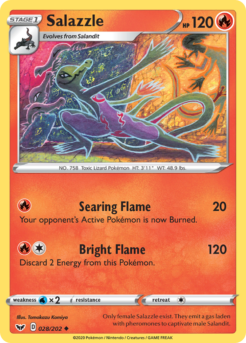
Sword & Shield
Only female Salazzle exist. They emit a gas laden with pheromones to captivate male Salandit.
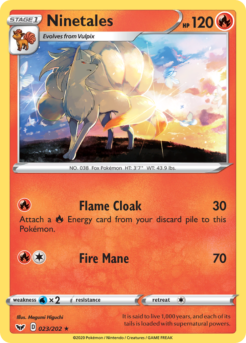
Sword & Shield
It is said to live 1,000 years, and each of its tails is loaded with supernatural powers.
Sword & Shield
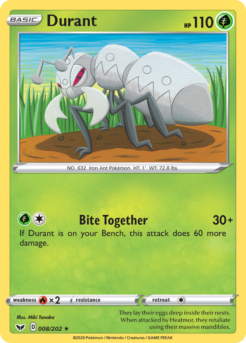
They lay their eggs deep inside their nests. When attacked by Heatmor, they retaliate using their massive mandibles.
Sword & Shield
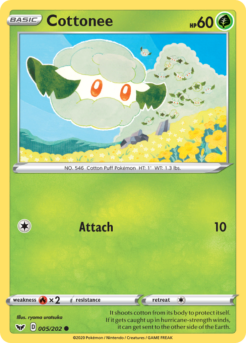
It shoots cotton from its body to protect itself. If it gets caught up in hurricane-strength winds, it can get sent to the other side of the Earth.
Sword & Shield
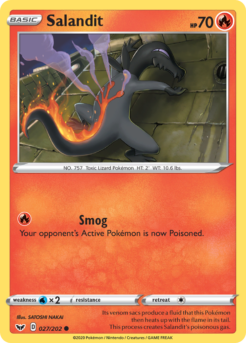
Its venom sacs produce a fluid that this Pokémon then heats up with the flame in its tail. This process creates Salandit's poisonous gas.