



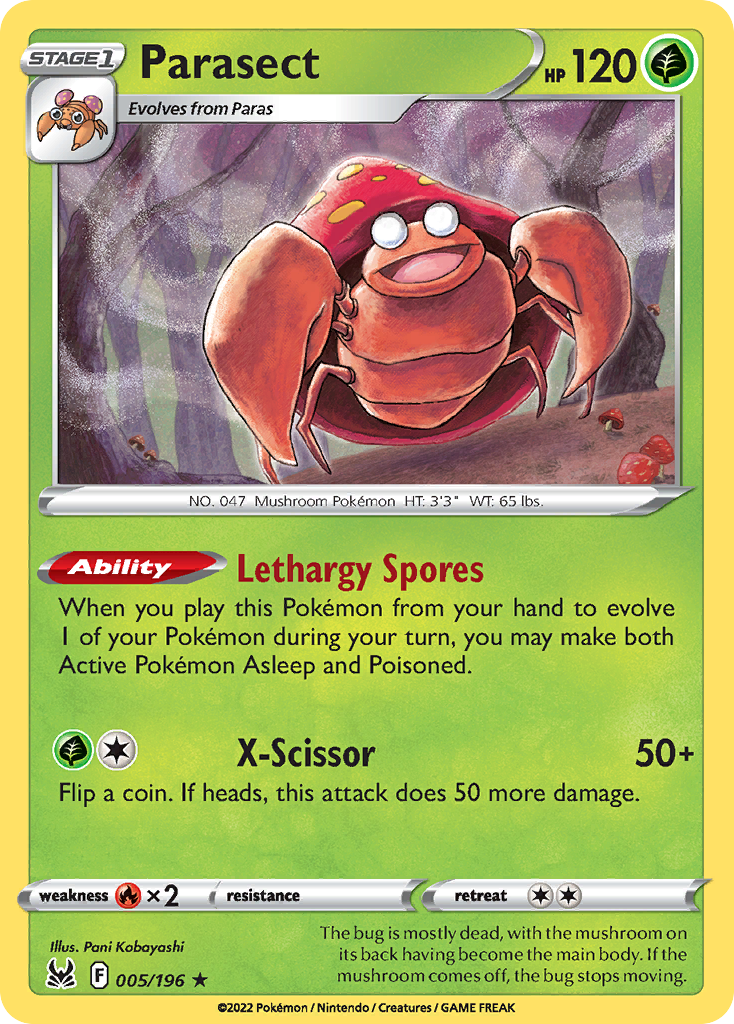
Parasect
The bug is mostly dead, with the mushroom on its back having become the main body. If the mushroom comes off, the bug stops moving.
Flip a coin. If heads, this attack does 50 more damage.
| Supertype | Pokémon |
|---|---|
| Subtype | Stage 1 |
| HP | 120 |
| Types | Grass |
| Attack | X-Scissor |
| Attack cost | Grass |
| Artist | Pani Kobayashi |
| Rarity | Rare |
| Pokédex | 47 |
| Evolves from | Paras |
Información del vendedor
- Nombre de la tienda: DutchGem
- Vendedor: DutchGem
-
Dirección:
gekkestraat
179
2345GT Utrecht
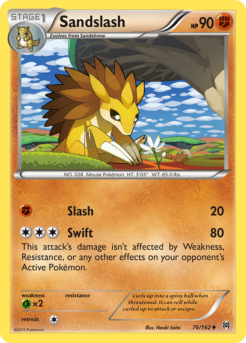
BREAKthrough
Curls up into a spiny ball when threatened. It can roll while curled up to attack or escape.
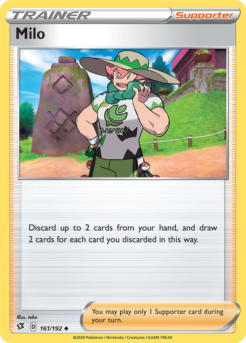
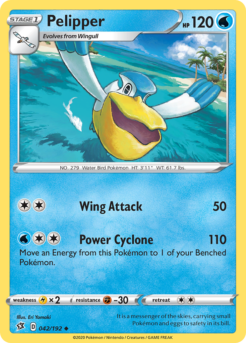
Rebel Clash
It is a messenger of the skies, carrying small Pokémon and eggs to safety in its bill.
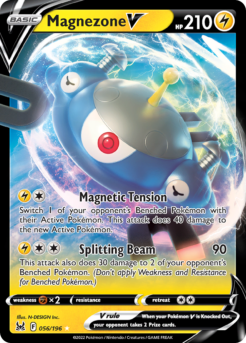
Lost Origin
Switch 1 of your opponent’s Benched Pokémon with their Active Pokémon. This attack does 40 damage to the new Active Pokémon.
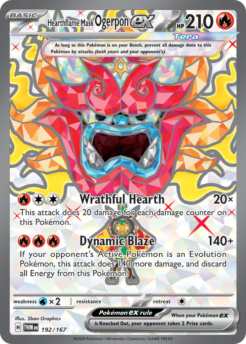
Scarlet & Violet
This attack does 20 damage for each damage counter on this Pokémon.
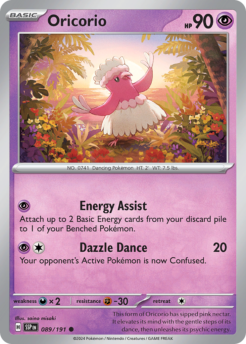
Scarlet & Violet
Attach up to 2 Basic Energy cards from your discard pile to 1 of your Benched Pokémon.