



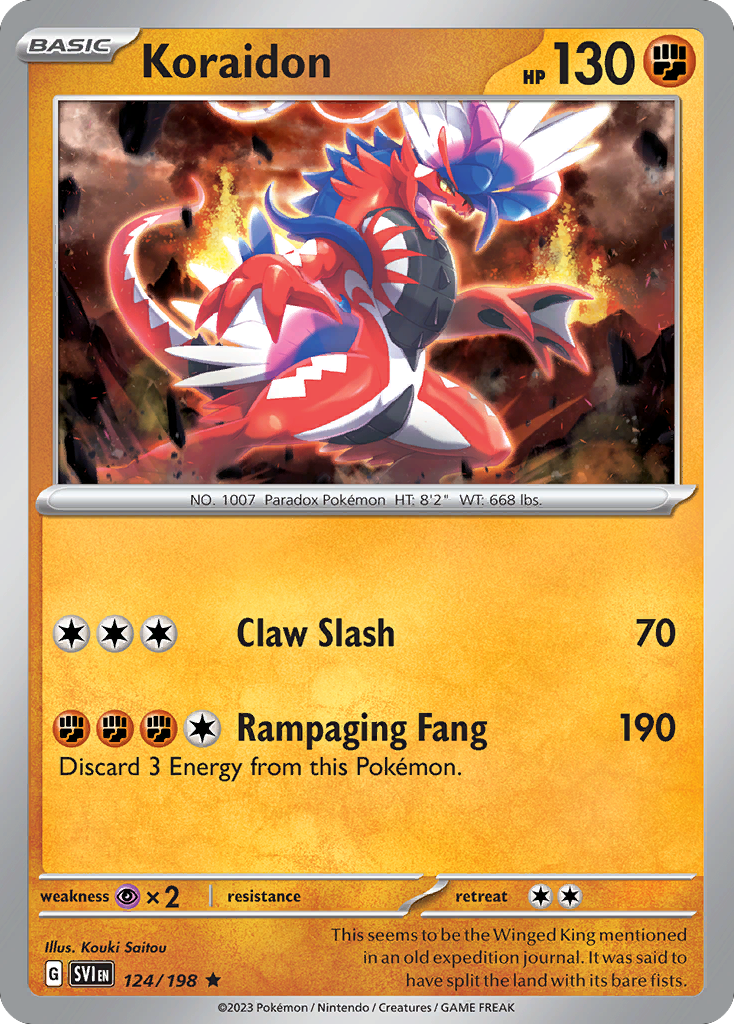
Koraidon

This seems to be the Winged King mentioned in an old expedition journal. It was said to have split the land with its bare fists.

| Supertype | Pokémon |
|---|---|
| Subtype | Basic |
| HP | 130 |
| Types | Fighting |
| Attack | Claw Slash |
| Attack cost | Colorless |
| Artist | Kouki Saitou |
| Rarity | Rare |
| Pokédex | 1007 |
Vendor Information
- Store Name: DutchGem
- Vendor: DutchGem
-
Address:
gekkestraat
179
2345GT Utrecht

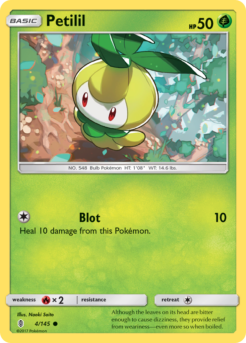
Guardians Rising
Although the leaves on its head are bitter enough to cause dizziness, they provide relief from weariness—even more so when boiled.

Forbidden Light
Heal from this Pokémon the same amount of damage you did to your opponent’s Active Pokémon.
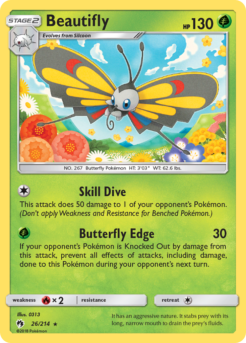
Lost Thunder
It has an aggressive nature. It stabs prey with its long, narrow mouth to drain the prey's fluids.
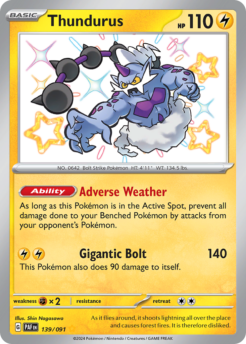
Paldean Fates
As it flies around, it shoots lightning all over the place and causes forest fires. It is therefore disliked.
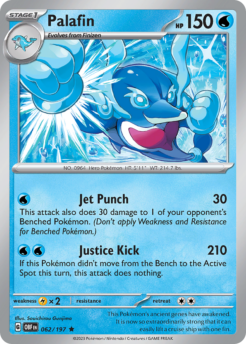
Obsidian Flames
This Pokémon's ancient genes have awakened. It is now so extraordinarily strong that it can easily lift a cruise ship with one fin.
Ähnliche Produkte
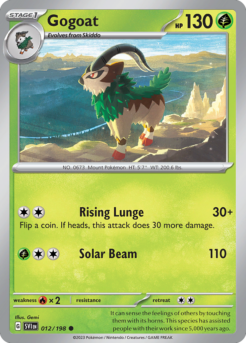
Scarlet & Violet
It can sense the feelings of others by touching them with its horns. This species has assisted people with their work since 5,000 years ago.
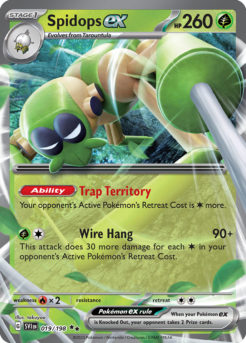
Scarlet & Violet
The thread it secretes from its rear is as strong as wire. The secret behind the thread's strength is the topic of ongoing research.
Scarlet & Violet
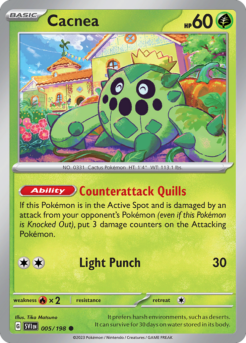
It prefers harsh environments, such as deserts. It can survive for 30 days on water stored in its body.
Scarlet & Violet
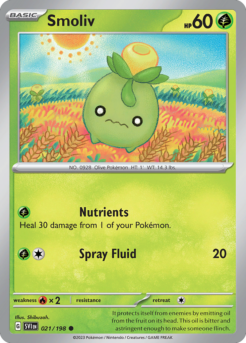
It protects itself from enemies by emitting oil from the fruit on its head. This oil is bitter and astringent enough to make someone flinch.
Scarlet & Violet
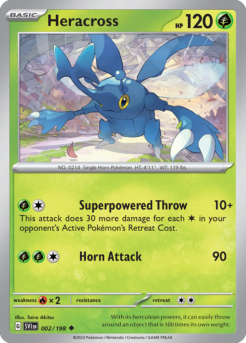
With its herculean powers, it can easily throw around an object that is 100 times its own weight.

Scarlet & Violet
Traditional Paldean dishes can be extremely spicy because they include the shed front teeth of Capsakid among their ingredients.
Scarlet & Violet
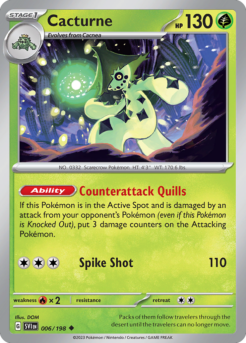
Packs of them follow travelers through the desert until the travelers can no longer move.
Scarlet & Violet
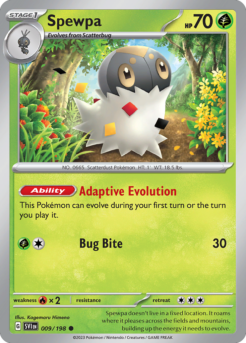
Spewpa doesn't live in a fixed location. It roams where it pleases across the fields and mountains, building up the energy it needs to evolve.