



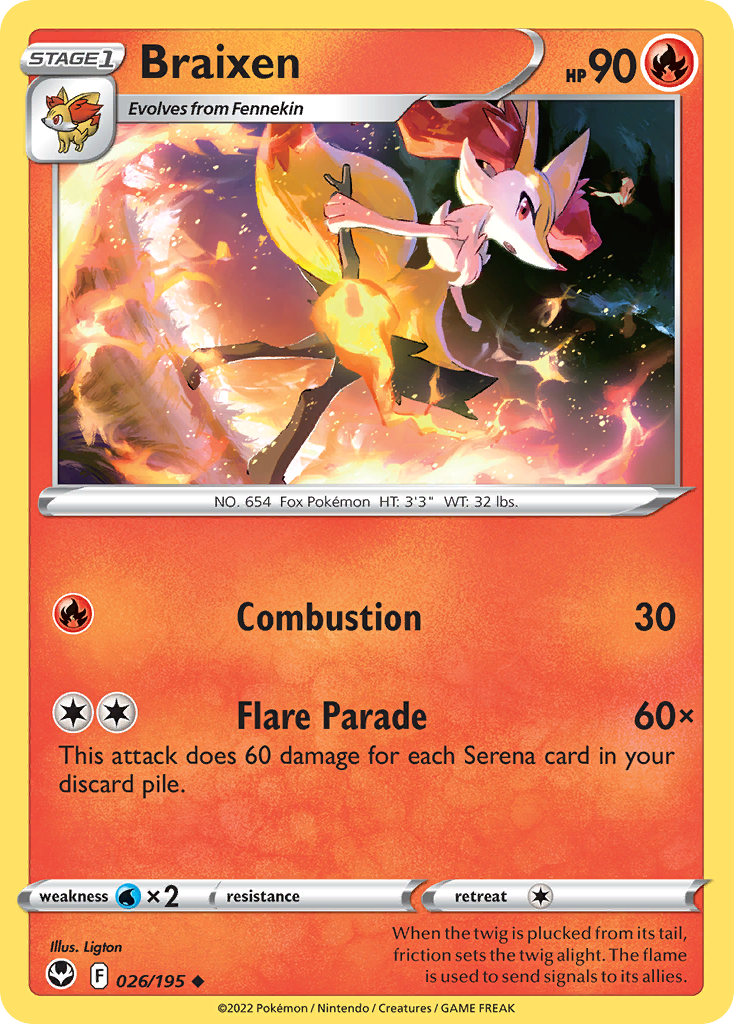
Braixen
When the twig is plucked from its tail, friction sets the twig alight. The flame is used to send signals to its allies.
| Supertype | Pokémon |
|---|---|
| Subtype | Stage 1 |
| HP | 90 |
| Types | Fire |
| Attack | Combustion |
| Attack cost | Fire |
| Artist | Ligton |
| Rarity | Uncommon |
| Pokédex | 654 |
| Evolves from | Fennekin |
| Evolves to | Delphox |
Vendor Information
- Store Name: DutchGem
- Vendor: DutchGem
-
Address:
gekkestraat
179
2345GT Utrecht
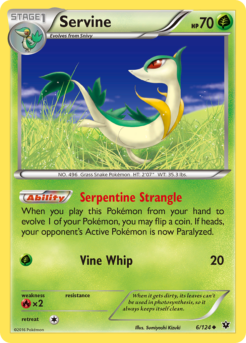
Fates Collide
When it gets dirty, its leaves can't be used in photosynthesis, so it always keeps itself clean.
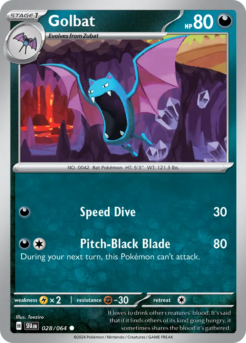

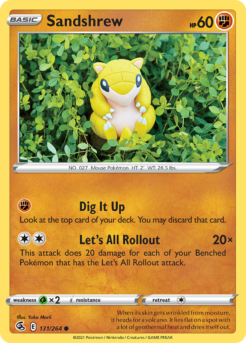
Fusion Strike
When its skin gets wrinkled from moisture, it heads for a volcano. It lies flat on a spot with a lot of geothermal heat and dries itself out.
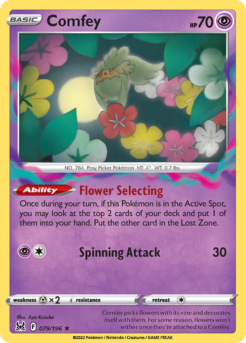
Lost Origin
Comfey picks flowers with its vine and decorates itself with them. For some reason, flowers won't wither once they're attached to a Comfey.
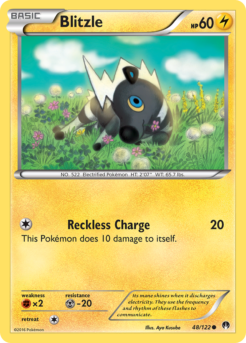
BREAKpoint
Its mane shines when it discharges electricity. They use the frequency and rhythm of these flashes to communicate.
Ähnliche Produkte
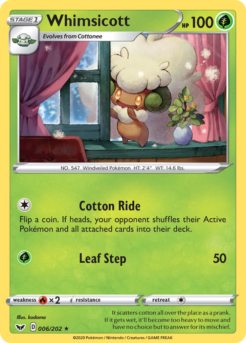
Sword & Shield
It scatters cotton all over the place as a prank. If it gets wet, it'll become too heavy to move and have no choice but to answer for its mischief.
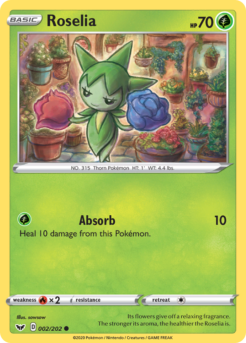
Sword & Shield
Its flowers give off a relaxing fragrance. The stronger its aroma, the healthier the Roselia is.
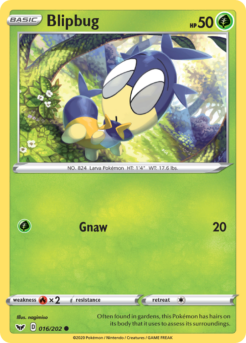
Sword & Shield
Often found in gardens, this Pokémon has hairs on its body that it uses to assess its surroundings.
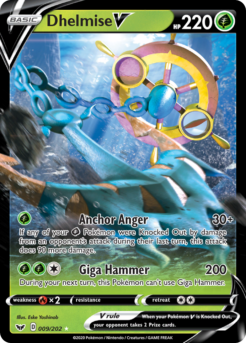
Sword & Shield
If any of your Grass Pokémon were Knocked Out by damage from an opponent’s attack during their last turn, this attack does 90 more damage.
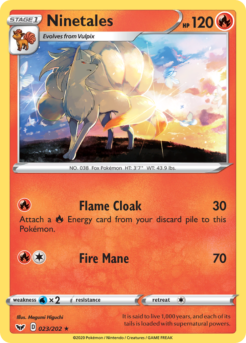
Sword & Shield
It is said to live 1,000 years, and each of its tails is loaded with supernatural powers.
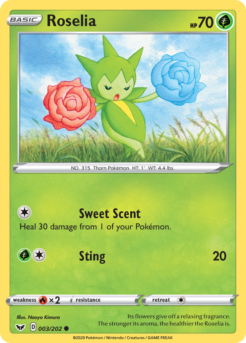
Sword & Shield
Its flowers give off a relaxing fragrance. The stronger its aroma, the healthier the Roselia is.
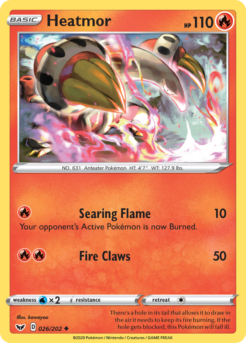
Sword & Shield
There's a hole in its tail that allows it to draw in the air it needs to keep its fire burning. If the hole gets blocked, this Pokémon will fall ill.
Sword & Shield
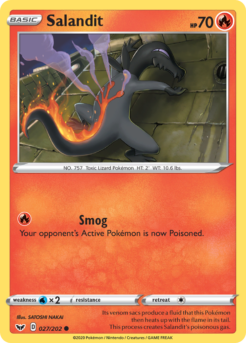
Its venom sacs produce a fluid that this Pokémon then heats up with the flame in its tail. This process creates Salandit's poisonous gas.