



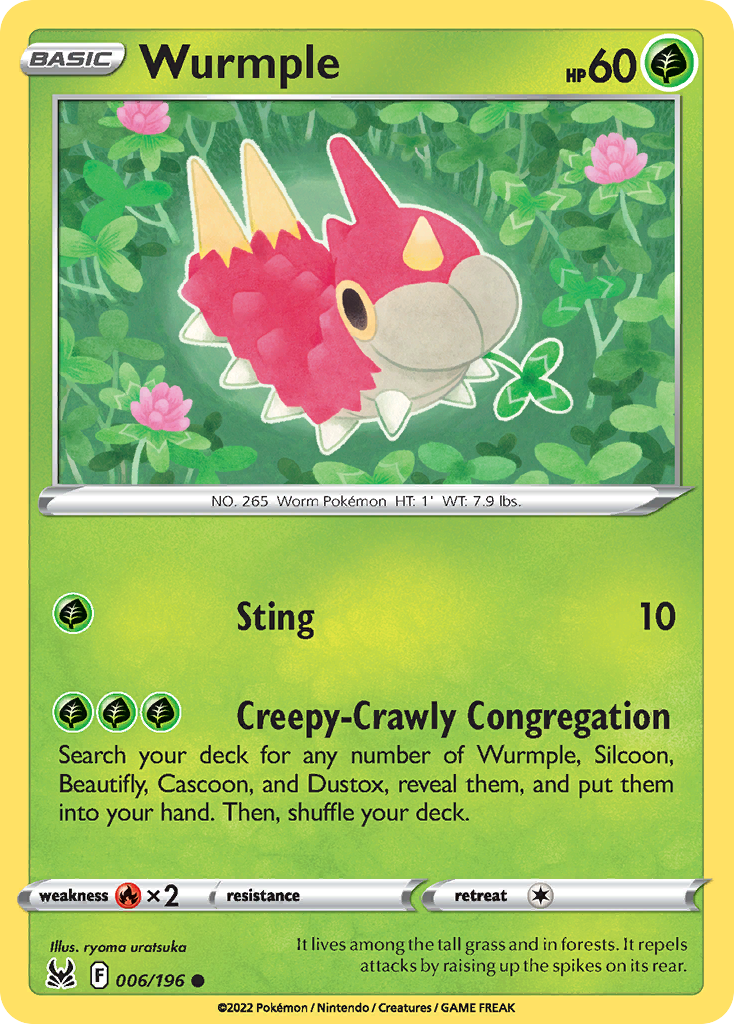
Wurmple
It lives among the tall grass and in forests. It repels attacks by raising up the spikes on its rear.
| Supertype | Pokémon |
|---|---|
| Subtype | Basic |
| HP | 60 |
| Types | Grass |
| Attack | Sting |
| Attack cost | Grass |
| Artist | ryoma uratsuka |
| Rarity | Common |
| Pokédex | 265 |
| Evolves to | Silcoon |
Vendor Information
- Store Name: DutchGem
- Vendor: DutchGem
-
Address:
gekkestraat
179
2345GT Utrecht
Scarlet & Violet
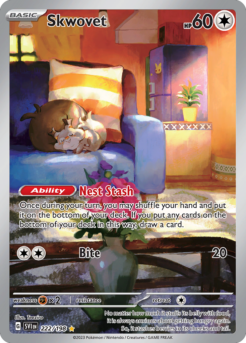
No matter how much it stuffs its belly with food, it is always anxious about getting hungry again. So, it stashes berries in its cheeks and tail.
Fusion Strike
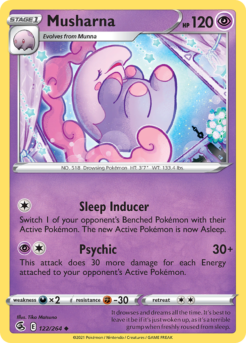
It drowses and dreams all the time. It's best to leave it be if it's just woken up, as it's a terrible grump when freshly roused from sleep.
Lost Thunder
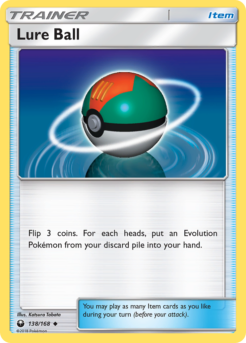
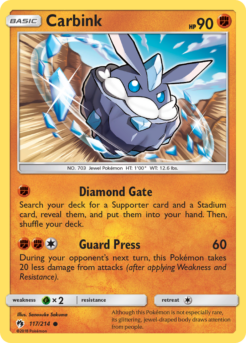
Although this Pokémon is not especially rare, its glittering, jewel-draped body draws attention from people.
Related products
Sword & Shield
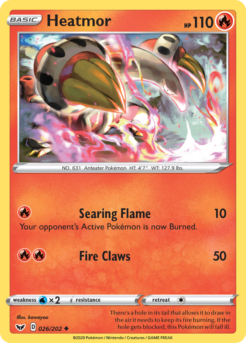
There's a hole in its tail that allows it to draw in the air it needs to keep its fire burning. If the hole gets blocked, this Pokémon will fall ill.
Sword & Shield
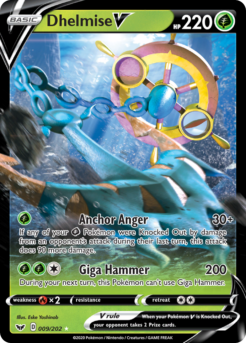
If any of your Grass Pokémon were Knocked Out by damage from an opponent’s attack during their last turn, this attack does 90 more damage.
Sword & Shield
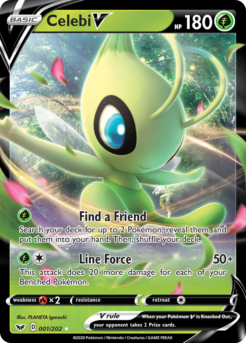
Search your deck for up to 2 Pokémon, reveal them, and put them into your hand. Then, shuffle your deck.
Sword & Shield
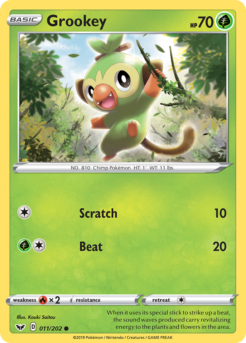
When it uses its special stick to strike up a beat, the sound waves produced carry revitalizing energy to the plants and flowers in the area.
Sword & Shield
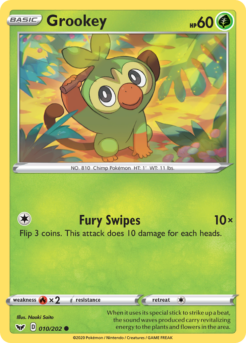
When it uses its special stick to strike up a beat, the sound waves produced carry revitalizing energy to the plants and flowers in the area.
Sword & Shield
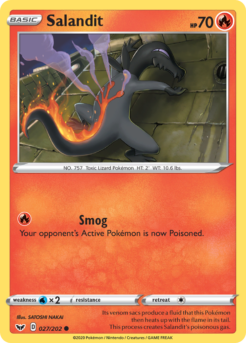
Its venom sacs produce a fluid that this Pokémon then heats up with the flame in its tail. This process creates Salandit's poisonous gas.
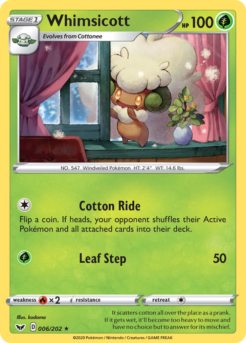
Sword & Shield
It scatters cotton all over the place as a prank. If it gets wet, it'll become too heavy to move and have no choice but to answer for its mischief.
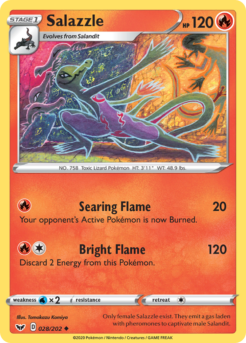
Sword & Shield
Only female Salazzle exist. They emit a gas laden with pheromones to captivate male Salandit.