



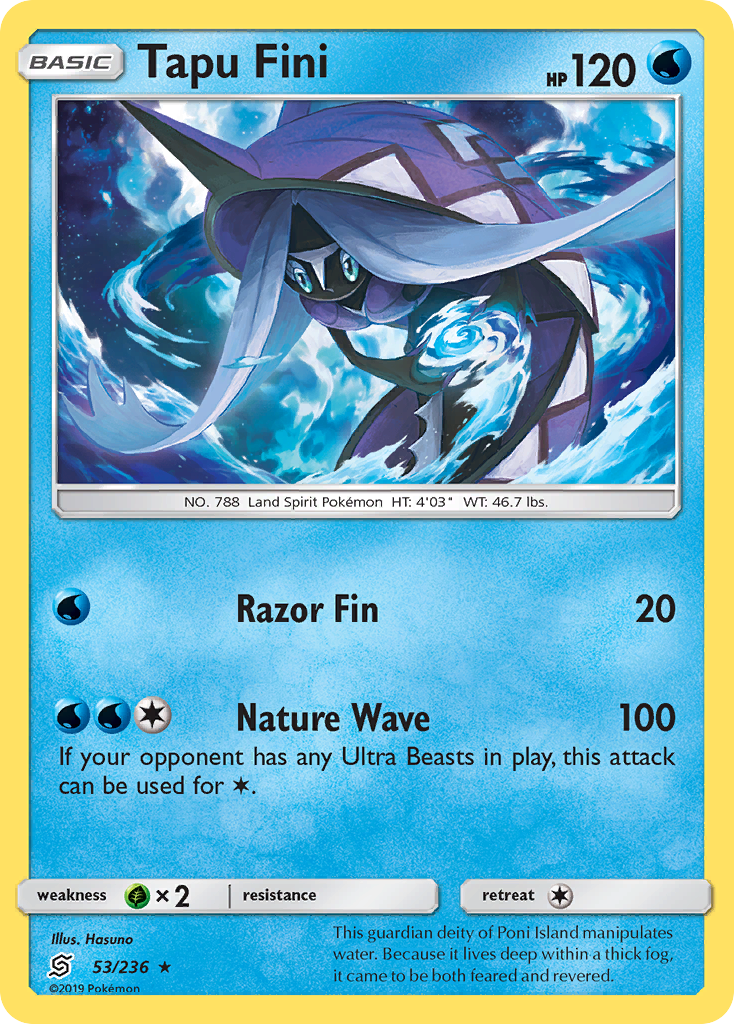
Tapu Fini

This guardian deity of Poni Island manipulates water. Because it lives deep within a thick fog, it came to be both feared and revered.

| Supertype | Pokémon |
|---|---|
| Subtype | Basic |
| HP | 120 |
| Types | Water |
| Attack | Razor Fin |
| Attack cost | Water |
| Artist | Hasuno |
| Rarity | Rare |
| Pokédex | 788 |
Vendor Information
- Store Name: DutchGem
- Vendor: DutchGem
-
Address:
gekkestraat
179
2345GT Utrecht

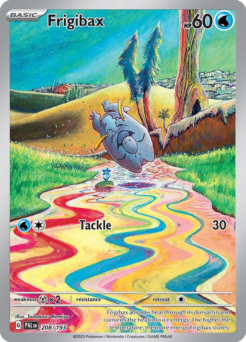
Paldea Evolved
Frigibax absorbs heat through its dorsal fin and converts the heat into ice energy. The higher the temperature, the more energy Frigibax stores.

Chilling Reign
Crossing icy seas is no issue for this cold-resistant Pokémon. Its smooth skin is a little cool to the touch.

Obsidian Flames
This Pokémon has a kind heart. By touching with its feelers, Audino can gauge other creatures' feelings and physical conditions.

Related products
Sun & Moon
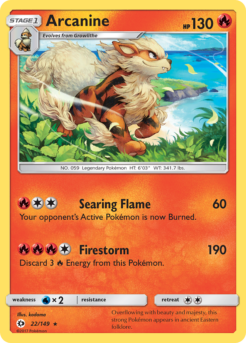
Overflowing with beauty and majesty, this strong Pokémon appears in ancient Eastern folklore.

Sun & Moon
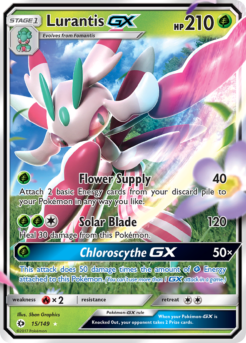
Attach 2 basic Energy cards from your discard pile to your Pokémon in any way you like.

Sun & Moon
Its wings and antennae don't cope well with moisture. After a rain, it faces sunward to dry off.
Sun & Moon
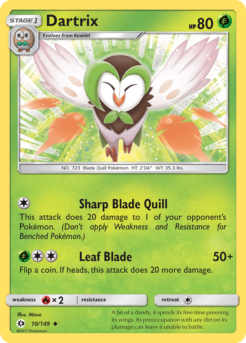
A bit of a dandy, it spends its free time preening its wings. Its preoccupation with any dirt on its plumage can leave it unable to battle.
Sun & Moon
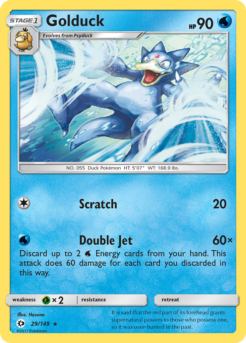
It is said that the red part of its forehead grants supernatural powers to those who posses one, so it was over-hunted in the past.
Sun & Moon
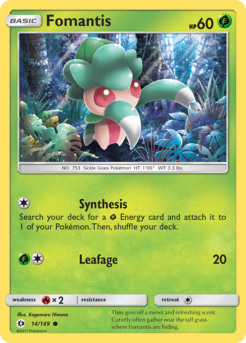
They give off a sweet and refreshing scent. Cutiefly often gather near the tall grass where Fomantis are hiding.

Sun & Moon
When this Pokémon senses danger, a sweet fluid oozes from the tip of its heads. The taste of it disgusts bird Pokémon.