



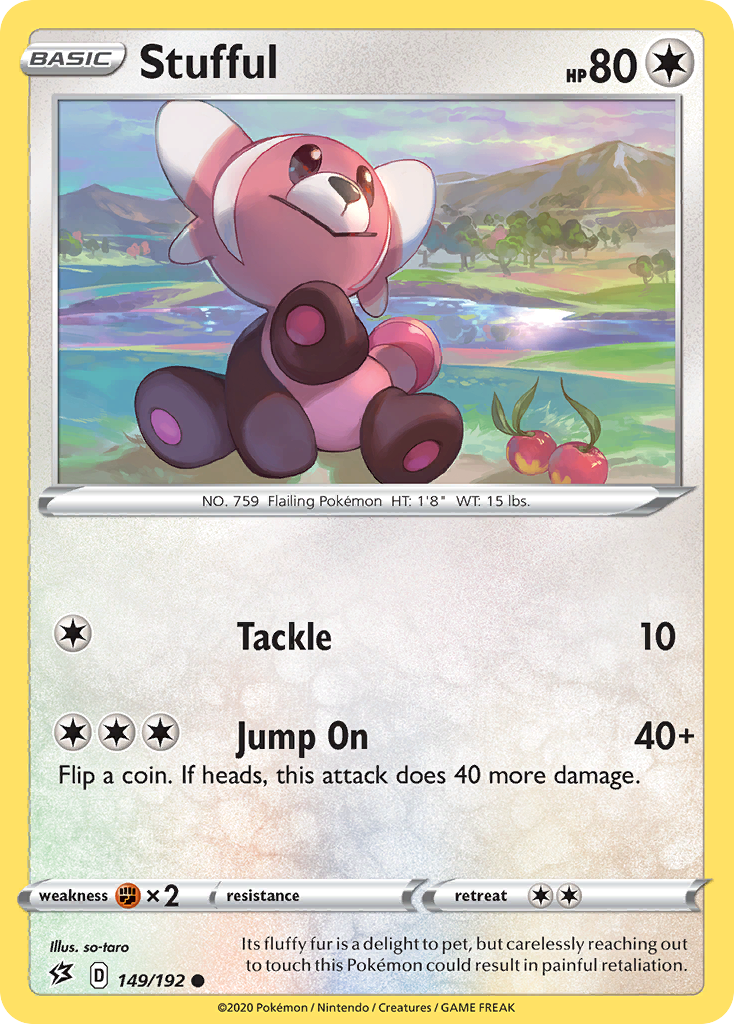
Stufful
Its fluffy fur is a delight to pet, but carelessly reaching out to touch this Pokémon could result in painful retaliation.
| Supertype | Pokémon |
|---|---|
| Subtype | Basic |
| HP | 80 |
| Types | Colorless |
| Attack | Tackle |
| Attack cost | Colorless |
| Artist | so-taro |
| Rarity | Common |
| Pokédex | 759 |
| Evolves to | Bewear |
Vendor Information
- Store Name: DutchGem
- Vendor: DutchGem
-
Address:
gekkestraat
179
2345GT Utrecht
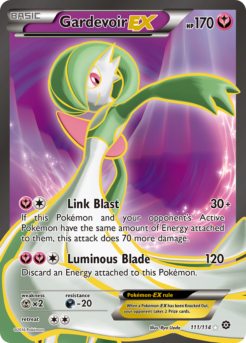
Steam Siege
If this Pokémon and your opponent’s Active Pokémon have the same amount of Energy attached to them, this attack does 70 more damage.
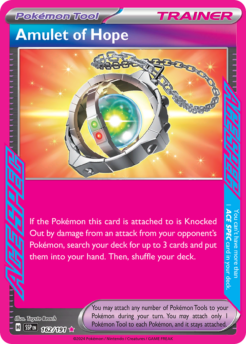
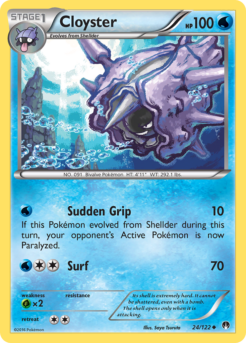
BREAKpoint
Its shell is extremely hard. It cannot be shattered, even with a bomb. The shell opens only when it is attacking.
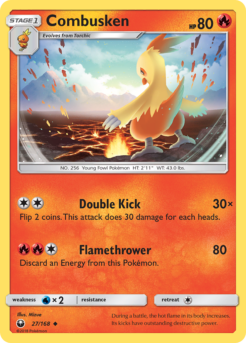
Celestial Storm
During a battle, the hot flame in its body increases. Its kicks have outstanding destructive power.
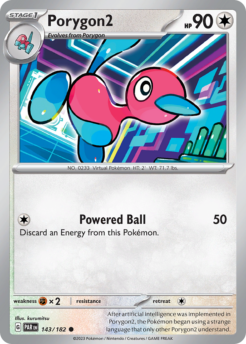
Paradox Rift
After artificial intelligence was implemented in Porygon2, the Pokémon began using a strange language that only other Porygon2 understand.
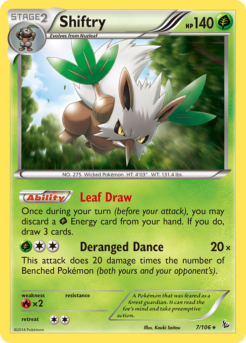
Flashfire
A Pokémon that was feared as a forest guardian. It can read the foe's mind and take preemptive action.
Related products
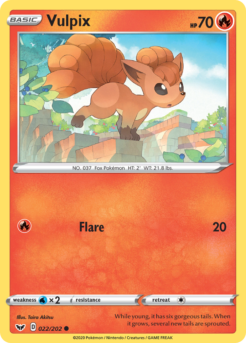
Sword & Shield
While young, it has six gorgeous tails. When it grows, several new tails are sprouted.
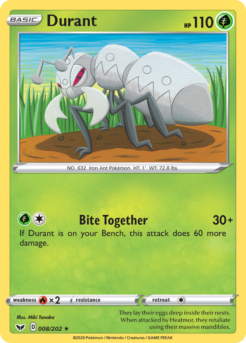
Sword & Shield
They lay their eggs deep inside their nests. When attacked by Heatmor, they retaliate using their massive mandibles.
Sword & Shield
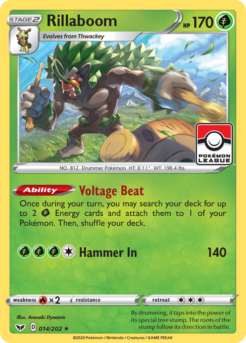
By drumming, it taps into the power of its special tree stump. The roots of the stump follow its direction in battle.
Sword & Shield
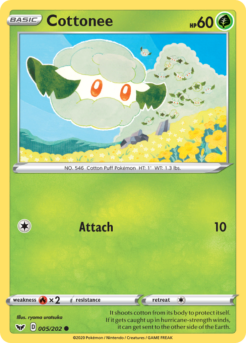
It shoots cotton from its body to protect itself. If it gets caught up in hurricane-strength winds, it can get sent to the other side of the Earth.
Sword & Shield
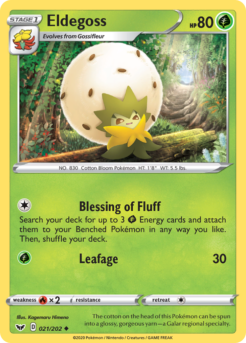
The cotton on the head of this Pokémon can be spun into a glossy, gorgeous yarn—a Galar regional specialty.
Sword & Shield
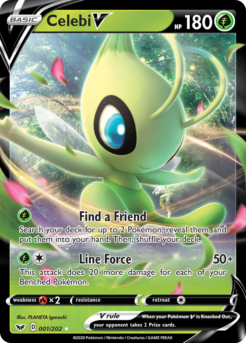
Search your deck for up to 2 Pokémon, reveal them, and put them into your hand. Then, shuffle your deck.
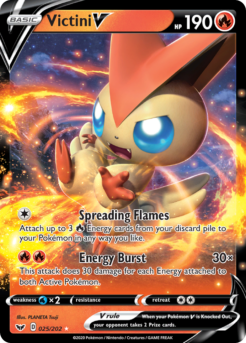
Sword & Shield
Attach up to 3 Fire Energy cards from your discard pile to your Pokémon in any way you like.
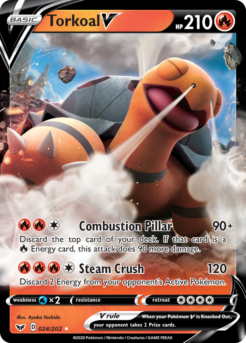
Sword & Shield
Discard the top card of your deck. If that card is a Fire Energy card, this attack does 90 more damage.