



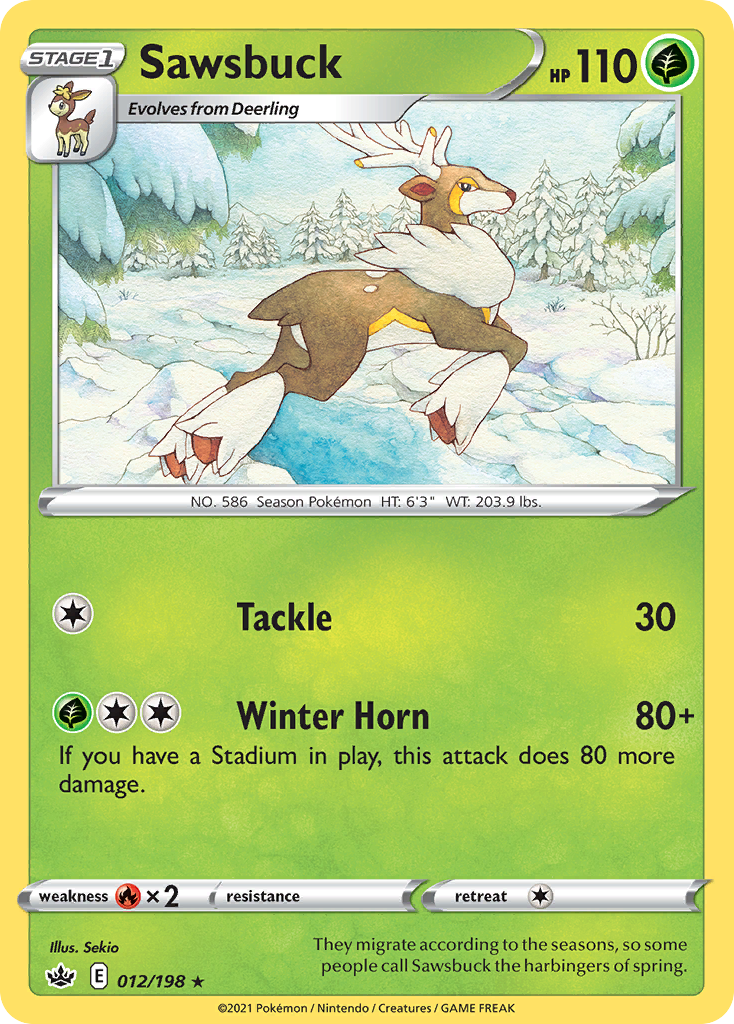
Sawsbuck

They migrate according to the seasons. People can tell the season by looking at Sawsbuck’s horns.
| Supertype | Pokémon |
|---|---|
| Subtype | Stage 1 |
| HP | 110 |
| Types | Grass |
| Attack | Tackle |
| Attack cost | Colorless |
| Artist | Sekio |
| Rarity | Rare |
| Pokédex | 586 |
| Evolves from | Deerling |
Vendor Information
- Store Name: DutchGem
- Vendor: DutchGem
-
Address:
gekkestraat
179
2345GT Utrecht

Primal Clash
Heal from this Pokémon the same amount of damage you did to your opponent’s Active Pokémon.
Phantom Forces
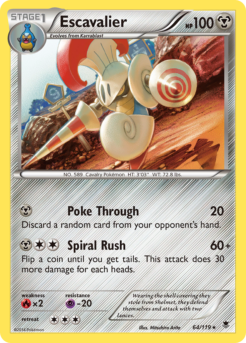
Wearing the shell covering they stole from Shelmet, they defend themselves and attack with two lances.
Scarlet & Violet
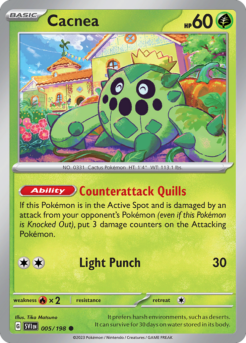
It prefers harsh environments, such as deserts. It can survive for 30 days on water stored in its body.
Related products
Sword & Shield
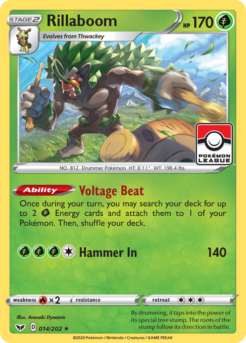
By drumming, it taps into the power of its special tree stump. The roots of the stump follow its direction in battle.
Sword & Shield
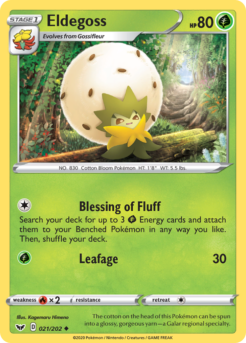
The cotton on the head of this Pokémon can be spun into a glossy, gorgeous yarn—a Galar regional specialty.
Sword & Shield
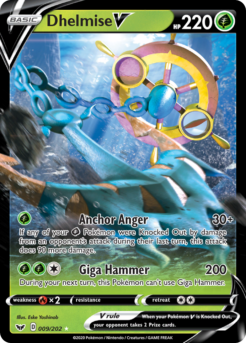
If any of your Grass Pokémon were Knocked Out by damage from an opponent’s attack during their last turn, this attack does 90 more damage.
Sword & Shield
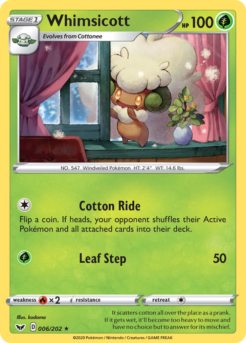
It scatters cotton all over the place as a prank. If it gets wet, it'll become too heavy to move and have no choice but to answer for its mischief.
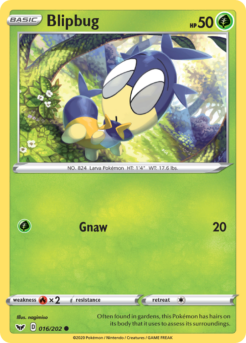
Sword & Shield
Often found in gardens, this Pokémon has hairs on its body that it uses to assess its surroundings.
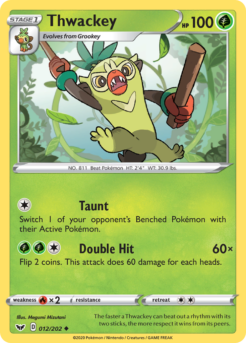
Sword & Shield
The faster a Thwackey can beat out a rhythm with its two sticks, the more respect it wins from its peers.
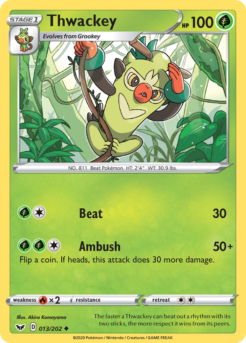
Sword & Shield
The faster a Thwackey can beat out a rhythm with its two sticks, the more respect it wins from its peers.
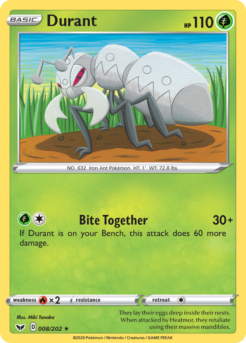
Sword & Shield
They lay their eggs deep inside their nests. When attacked by Heatmor, they retaliate using their massive mandibles.