



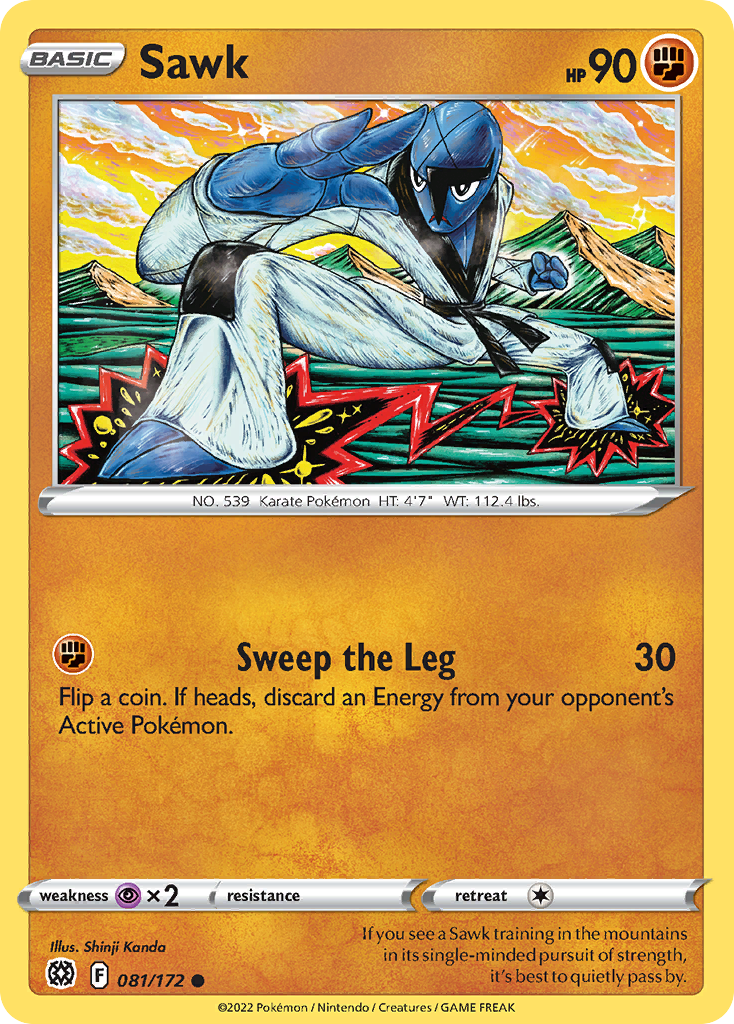
Sawk
If you see a Sawk training in the mountains in its single-minded pursuit of strength, it’s best to quietly pass by.

Flip a coin. If heads, discard an Energy from your opponent’s Active Pokémon.
| Supertype | Pokémon |
|---|---|
| Subtype | Basic |
| HP | 90 |
| Types | Fighting |
| Attack | Sweep the Leg |
| Attack cost | Fighting |
| Artist | Shinji Kanda |
| Rarity | Common |
| Pokédex | 539 |
Vendor Information
- Store Name: DutchGem
- Vendor: DutchGem
-
Address:
gekkestraat
179
2345GT Utrecht
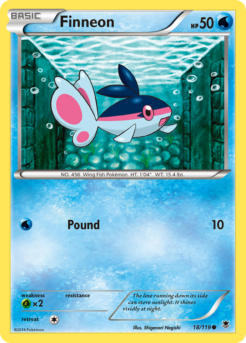
Phantom Forces
The line running down its side can store sunlight. It shines vividly at night.
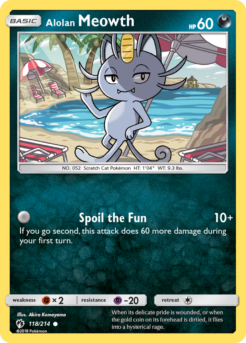
Lost Thunder
When its delicate pride is wounded, or when the gold coin on its forehead is dirtied, it flies into a hysterical rage.

Darkness Ablaze
You may discard an Energy from this Pokémon. If you do, discard an Energy from your opponent’s Active Pokémon.
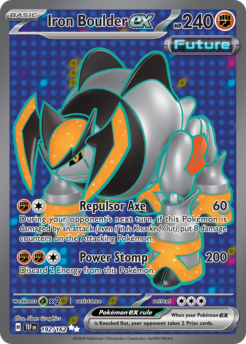
Scarlet & Violet
During your opponent’s next turn, if this Pokémon is damaged by an attack (even if it is Knocked Out), put 8 damage counters on the Attacking Pokémon.
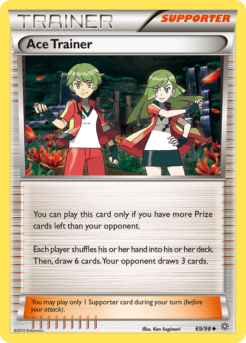
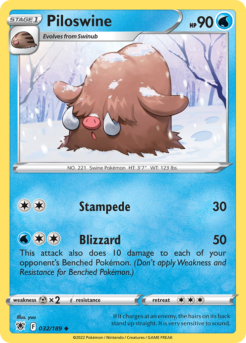
Astral Radiance
If it charges at an enemy, the hairs on its back stand up straight. It is very sensitive to sound.
Related products
Sword & Shield
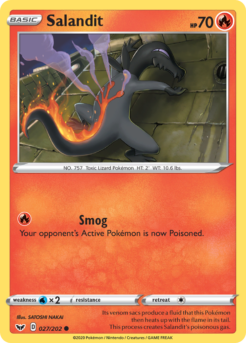
Its venom sacs produce a fluid that this Pokémon then heats up with the flame in its tail. This process creates Salandit's poisonous gas.
Sword & Shield
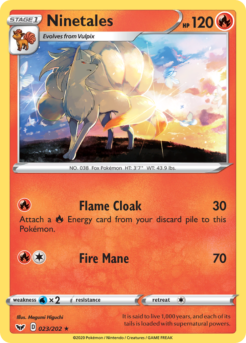
It is said to live 1,000 years, and each of its tails is loaded with supernatural powers.

Sword & Shield
Attach up to 3 Fire Energy cards from your discard pile to your Pokémon in any way you like.
Sword & Shield
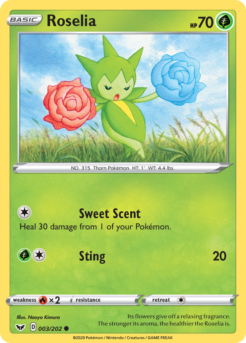
Its flowers give off a relaxing fragrance. The stronger its aroma, the healthier the Roselia is.
Sword & Shield
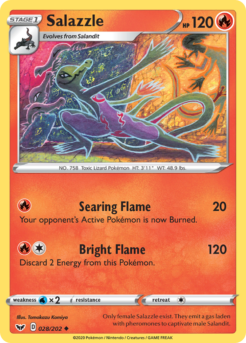
Only female Salazzle exist. They emit a gas laden with pheromones to captivate male Salandit.
Sword & Shield
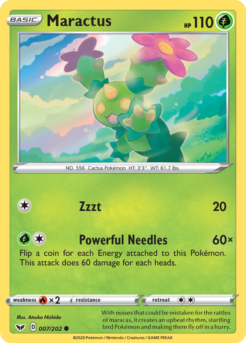
With noises that could be mistaken for the rattles of maracas, it creates an upbeat rhythm, startling bird Pokémon and making them fly off in a hurry.
Sword & Shield
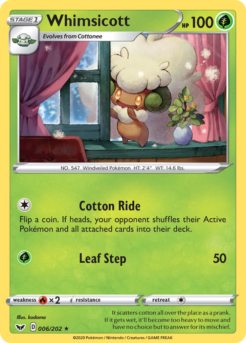
It scatters cotton all over the place as a prank. If it gets wet, it'll become too heavy to move and have no choice but to answer for its mischief.
Sword & Shield
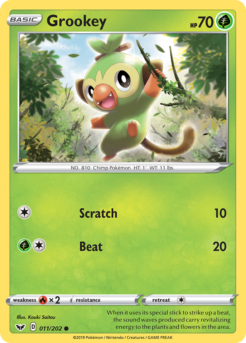
When it uses its special stick to strike up a beat, the sound waves produced carry revitalizing energy to the plants and flowers in the area.