



Luxray
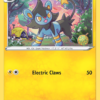
Luxray’s ability to see through objects comes in handy when it’s scouting for danger.
| Supertype | Pokémon |
|---|---|
| Subtype | Stage 2 |
| HP | 160 |
| Types | Lightning |
| Attack | Thunder Claws |
| Attack cost | Lightning |
| Artist | Atsushi Furusawa |
| Rarity | Rare |
| Pokédex | 405 |
| Evolves from | Luxio |
Vendor Information
- Store Name: DutchGem
- Vendor: DutchGem
-
Address:
gekkestraat
179
2345GT Utrecht
151
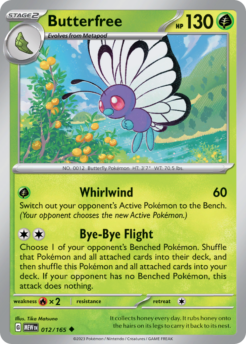
It collects honey every day. It rubs honey onto the hairs on its legs to carry it back to its nest.
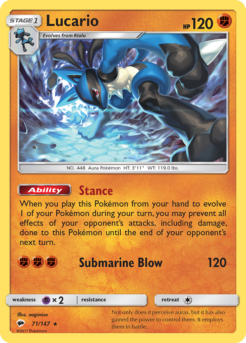
Burning Shadows
Not only does it perceive auras, but it has also gained the power to control them. It employs them in battle.

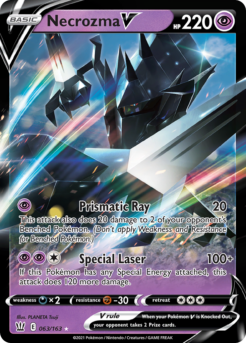
Battle Styles
This attack also does 20 damage to 2 of your opponent’s Benched Pokémon. (Don’t apply Weakness and Resistance for Benched Pokémon.)
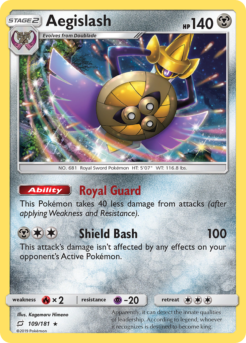
Sun & Moon
Apparently, it can detect the innate qualities of leadership. According to legend, whoever it recognizes is destined to become king.
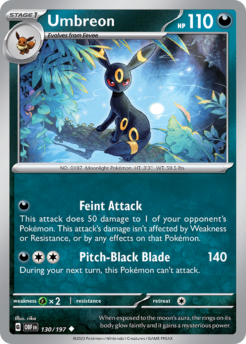
Obsidian Flames
When exposed to the moon's aura, the rings on its body glow faintly and it gains a mysterious power.
Related products
Sword & Shield
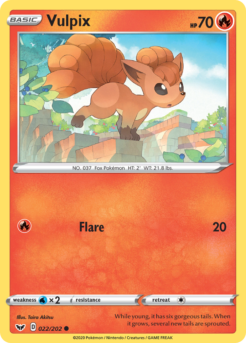
While young, it has six gorgeous tails. When it grows, several new tails are sprouted.
Sword & Shield
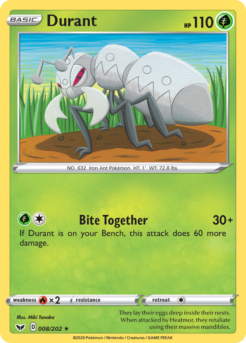
They lay their eggs deep inside their nests. When attacked by Heatmor, they retaliate using their massive mandibles.
Sword & Shield
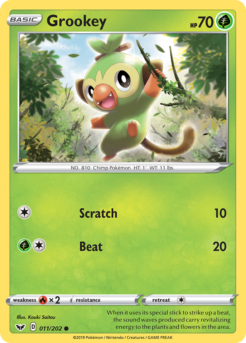
When it uses its special stick to strike up a beat, the sound waves produced carry revitalizing energy to the plants and flowers in the area.
Sword & Shield
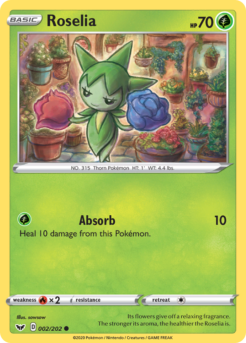
Its flowers give off a relaxing fragrance. The stronger its aroma, the healthier the Roselia is.
Sword & Shield
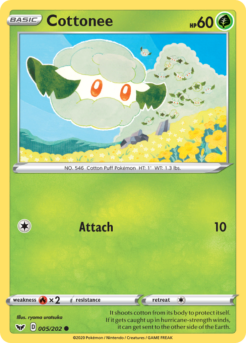
It shoots cotton from its body to protect itself. If it gets caught up in hurricane-strength winds, it can get sent to the other side of the Earth.
Sword & Shield
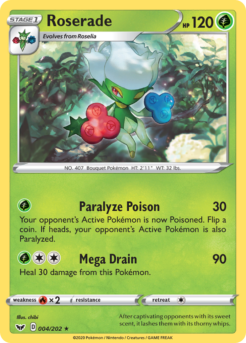
After captivating opponents with its sweet scent, it lashes them with its thorny whips.
Sword & Shield
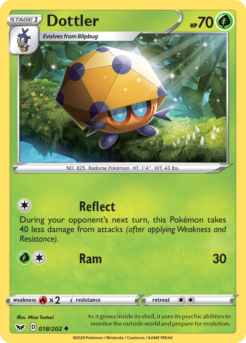
As it grows inside its shell, it uses its psychic abilities to monitor the outside world and prepare for evolution.
Sword & Shield
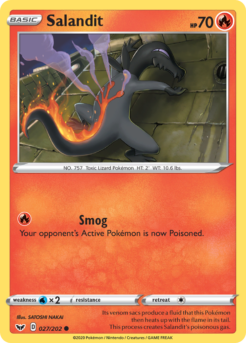
Its venom sacs produce a fluid that this Pokémon then heats up with the flame in its tail. This process creates Salandit's poisonous gas.