



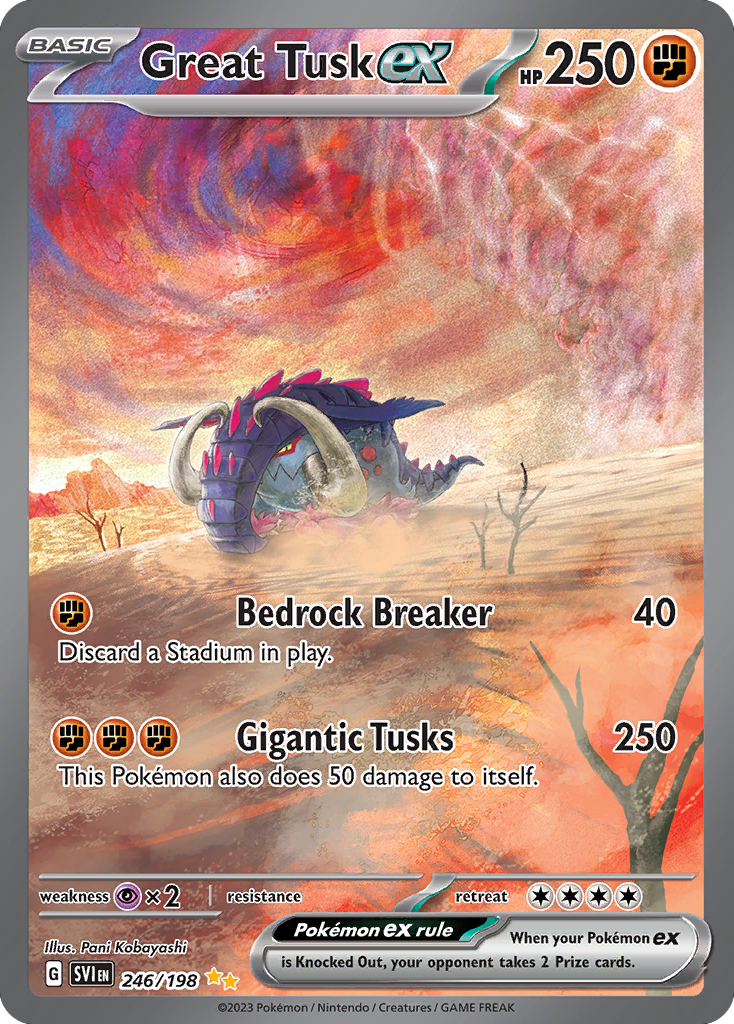
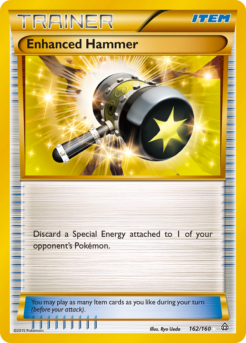
Discard a Stadium in play.
| Supertype | Pokémon |
|---|---|
| Subtype | Basic |
| HP | 250 |
| Types | Fighting |
| Attack | Bedrock Breaker |
| Artist | Pani Kobayashi |
| Rarity | Special Illustration Rare |
| Pokédex | 984 |
Vendor Information
- Store Name: DutchGem
- Vendor: DutchGem
-
Address:
gekkestraat
179
2345GT Utrecht
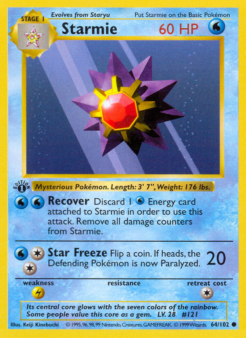
Base
Its central core glows with the seven colors of the rainbow. Some people value this core as a gem.
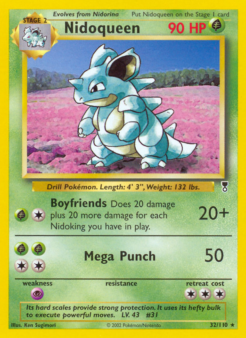
Base
Its hard scales provide strong protection. It uses its hefty bulk to execute powerful moves.
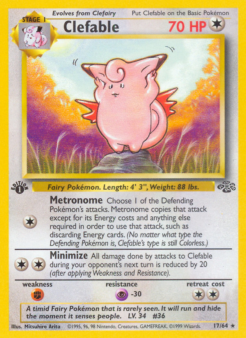
Base
A timid Fairy Pokémon that is rarely seen. It will run and hide the moment it senses people.
Obsidian Flames
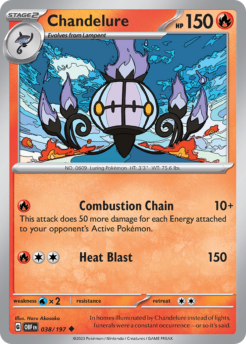
In homes illuminated by Chandelure instead of lights, funerals were a constant occurrence—or so it's said.
Related products
Scarlet & Violet
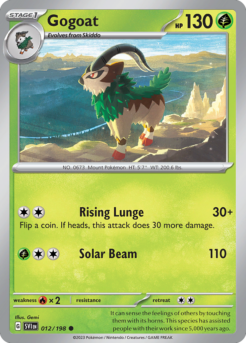
It can sense the feelings of others by touching them with its horns. This species has assisted people with their work since 5,000 years ago.
Scarlet & Violet
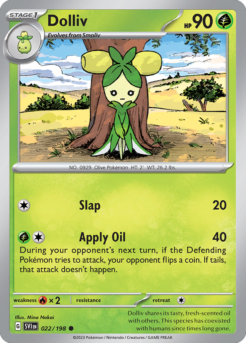
Dolliv shares its tasty, fresh-scented oil with others. This species has coexisted with humans since times long gone.
Scarlet & Violet
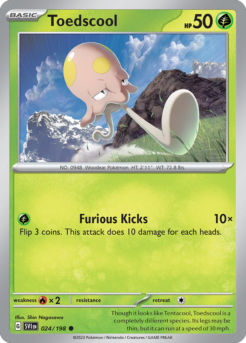
Though it looks like Tentacool, Toedscool is a completely different species. Its legs may be thin, but it can run at a speed of 30 mph.
Scarlet & Violet
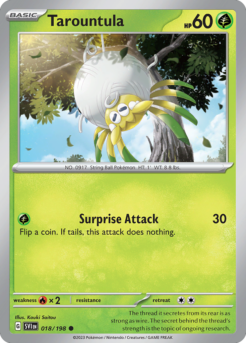
The thread it secretes from its rear is as strong as wire. The secret behind the thread's strength is the topic of ongoing research.
Scarlet & Violet
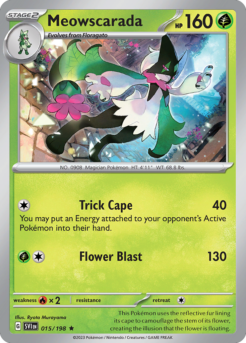
This Pokémon uses the reflective fur lining its cape to camouflage the stem of its flower, creating the illusion that the flower is floating.
Scarlet & Violet
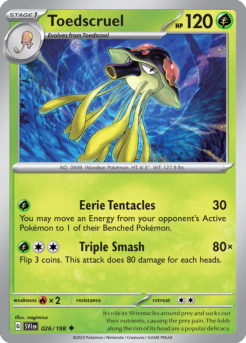
It coils its 10 tentacles around prey and sucks out their nutrients, causing the prey pain. The folds along the rim of its head are a popular delicacy.
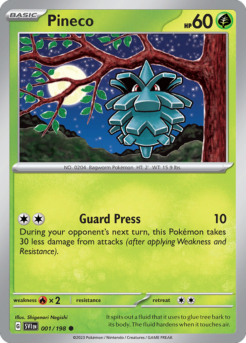
Scarlet & Violet
It spits out a fluid that it uses to glue tree bark to its body. The fluid hardens when it touches air.
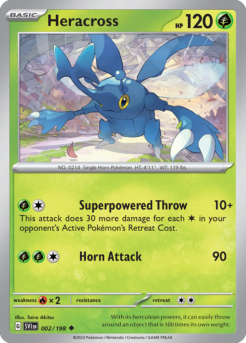
Scarlet & Violet
With its herculean powers, it can easily throw around an object that is 100 times its own weight.