



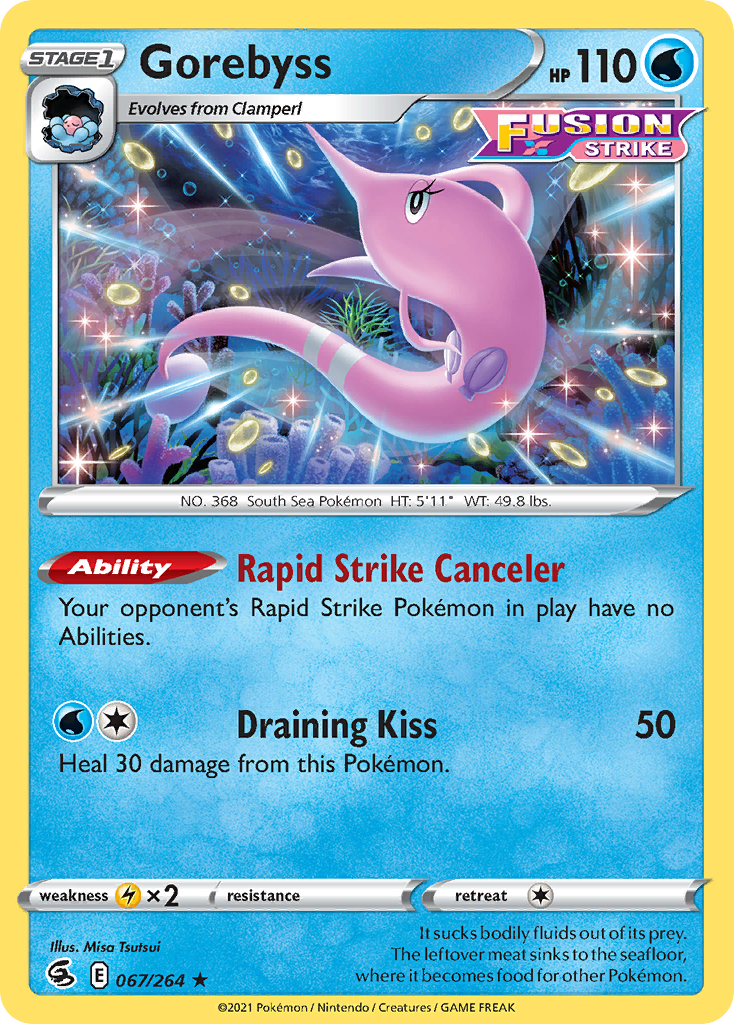
Gorebyss
It sucks bodily fluids out of its prey. The leftover meat sinks to the seafloor, where it becomes food for other Pokémon.
Heal 30 damage from this Pokémon.
| Supertype | Pokémon |
|---|---|
| Subtype | Stage 1 |
| HP | 110 |
| Types | Water |
| Attack | Draining Kiss |
| Attack cost | Water |
| Artist | Misa Tsutsui |
| Rarity | Rare |
| Pokédex | 368 |
| Evolves from | Clamperl |
Vendor Information
- Store Name: DutchGem
- Vendor: DutchGem
-
Address:
gekkestraat
179
2345GT Utrecht
Darkness Ablaze
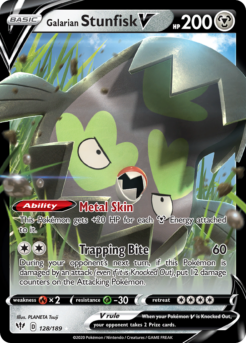
During your opponent’s next turn, if this Pokémon is damaged by an attack (even if it is Knocked Out), put 12 damage counters on the Attacking Pokémon.
Scarlet & Violet
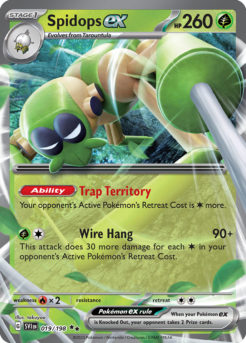
The thread it secretes from its rear is as strong as wire. The secret behind the thread's strength is the topic of ongoing research.
Base
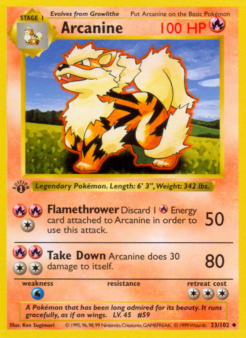
A Pokémon that has been long admired for its beauty. It runs gracefully, as if on wings.
Lost Thunder
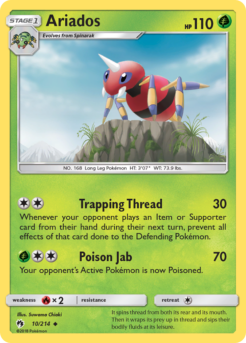
It spins thread from both its rear and its mouth. Then it wraps its prey up in thread and sips their bodily fluids at its leisure.
Related products
Sword & Shield
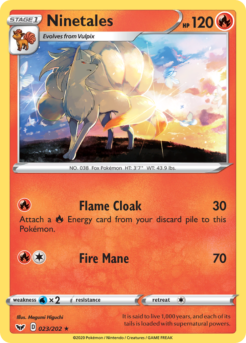
It is said to live 1,000 years, and each of its tails is loaded with supernatural powers.
Sword & Shield
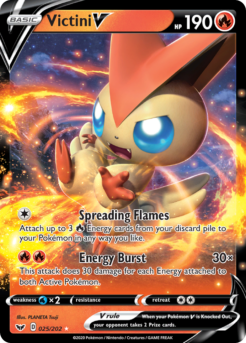
Attach up to 3 Fire Energy cards from your discard pile to your Pokémon in any way you like.
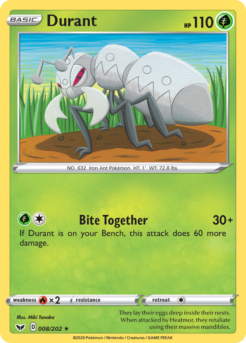
Sword & Shield
They lay their eggs deep inside their nests. When attacked by Heatmor, they retaliate using their massive mandibles.
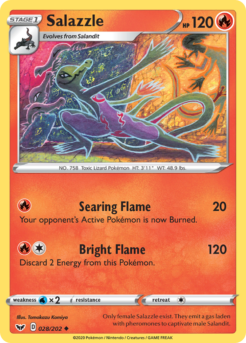
Sword & Shield
Only female Salazzle exist. They emit a gas laden with pheromones to captivate male Salandit.
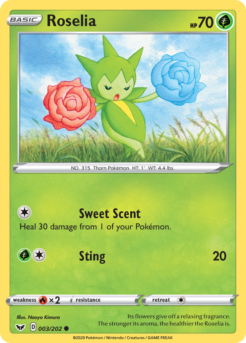
Sword & Shield
Its flowers give off a relaxing fragrance. The stronger its aroma, the healthier the Roselia is.
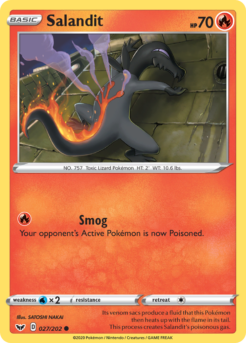
Sword & Shield
Its venom sacs produce a fluid that this Pokémon then heats up with the flame in its tail. This process creates Salandit's poisonous gas.
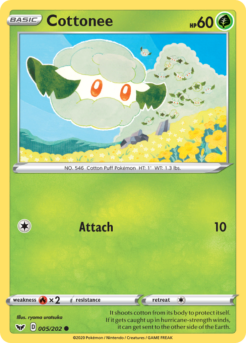
Sword & Shield
It shoots cotton from its body to protect itself. If it gets caught up in hurricane-strength winds, it can get sent to the other side of the Earth.
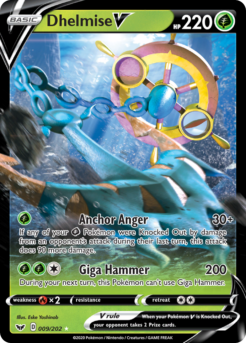
Sword & Shield
If any of your Grass Pokémon were Knocked Out by damage from an opponent’s attack during their last turn, this attack does 90 more damage.