



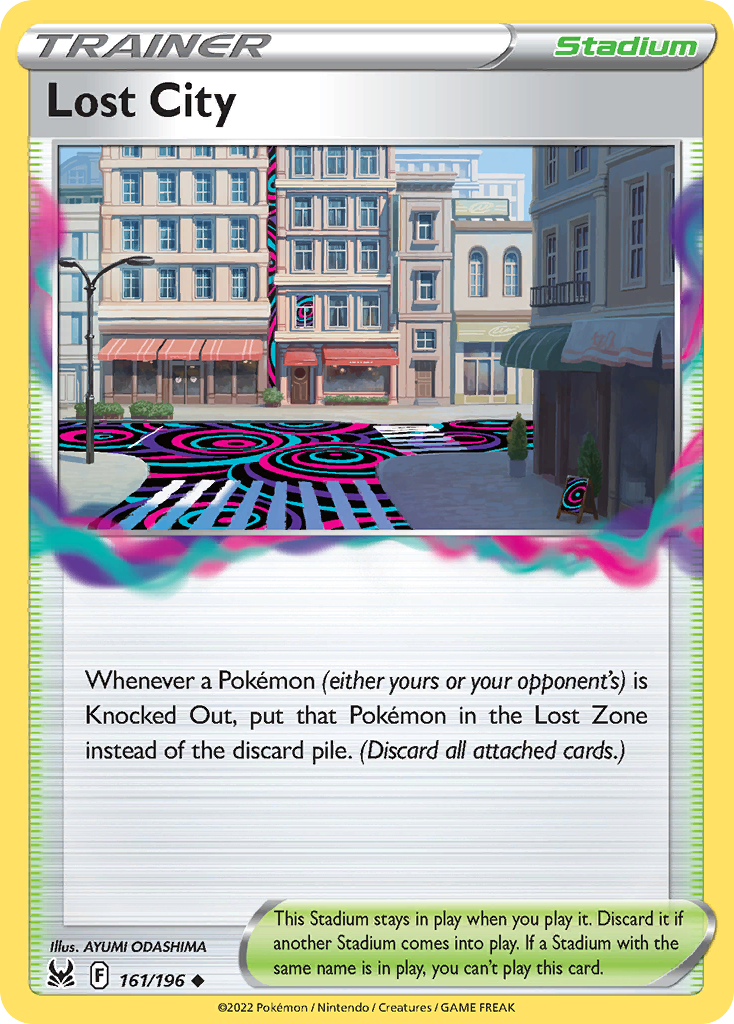
| Supertype | Trainer |
|---|---|
| Subtype | Stadium |
| Artist | AYUMI ODASHIMA |
| Rarity | Uncommon |
Vendor Information
- Store Name: DutchGem
- Vendor: DutchGem
-
Address:
gekkestraat
179
2345GT Utrecht
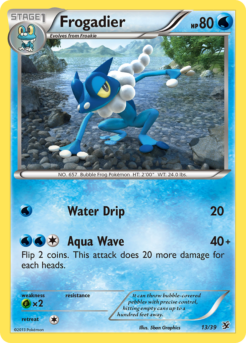
Kalos Starter Set
It can throw bubble-covered pebbles with precise control, hitting empty cans up to a hundred feet away.
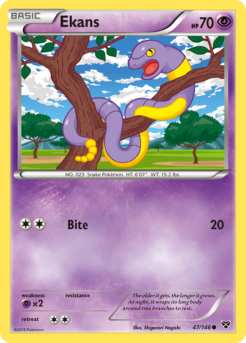
XY
The older it gets, the longer it grows. At night, it wraps its long body around tree branches to rest.
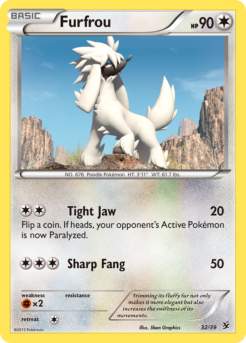
Kalos Starter Set
Trimming its fluffy fur not only makes it more elegant but also increases the swiftness of its movements.
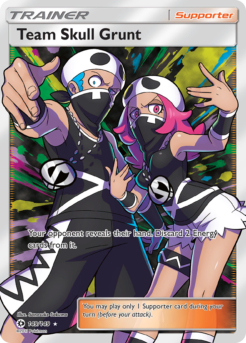
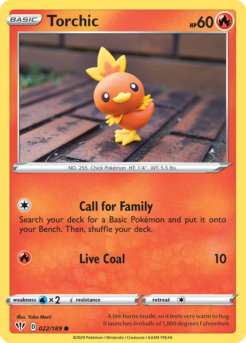
Darkness Ablaze
A fire burns inside, so it feels very warm to hug. It launches fireballs of 1,800 degrees Fahrenheit.
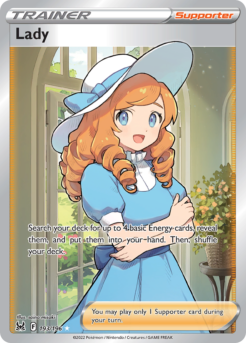
Produtos Relacionados
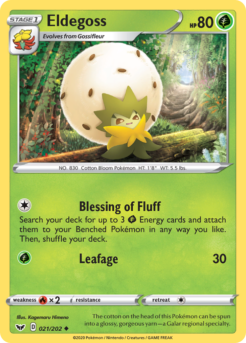
Sword & Shield
The cotton on the head of this Pokémon can be spun into a glossy, gorgeous yarn—a Galar regional specialty.
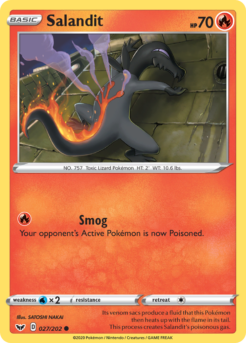
Sword & Shield
Its venom sacs produce a fluid that this Pokémon then heats up with the flame in its tail. This process creates Salandit's poisonous gas.
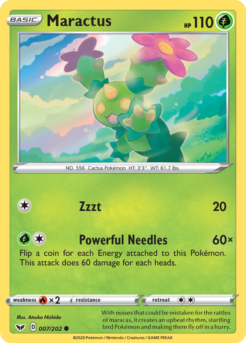
Sword & Shield
With noises that could be mistaken for the rattles of maracas, it creates an upbeat rhythm, startling bird Pokémon and making them fly off in a hurry.
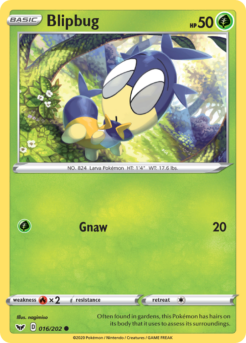
Sword & Shield
Often found in gardens, this Pokémon has hairs on its body that it uses to assess its surroundings.
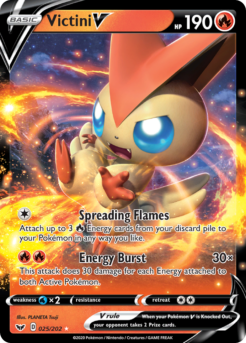
Sword & Shield
Attach up to 3 Fire Energy cards from your discard pile to your Pokémon in any way you like.
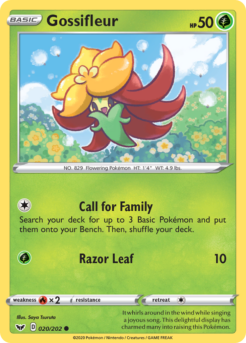
Sword & Shield
It whirls around in the wind while singing a joyous song. This delightful display has charmed many into raising this Pokémon.
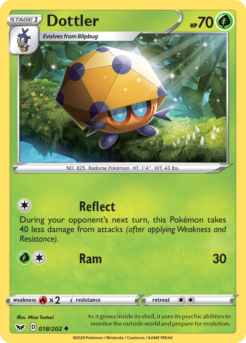
Sword & Shield
As it grows inside its shell, it uses its psychic abilities to monitor the outside world and prepare for evolution.
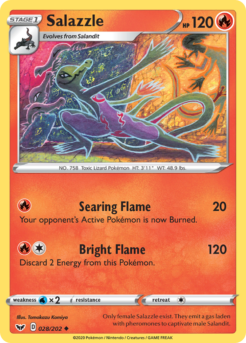
Sword & Shield
Only female Salazzle exist. They emit a gas laden with pheromones to captivate male Salandit.