



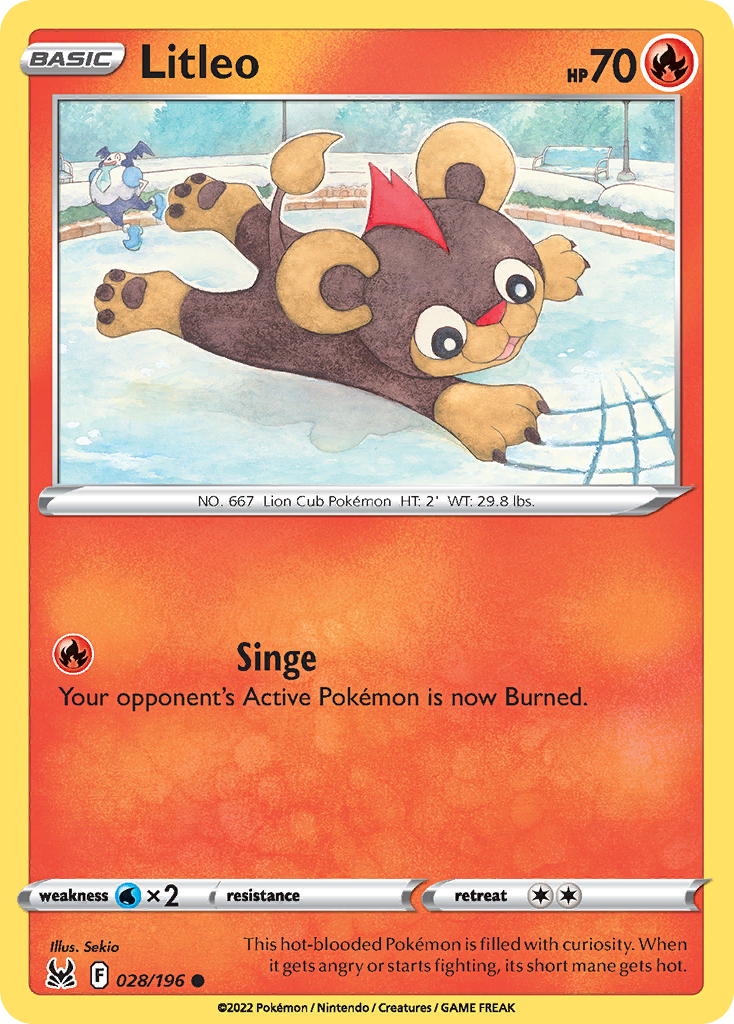
Litleo
This hot-blooded Pokémon is filled with curiosity. When it gets angry or starts fighting, its short mane gets hot.
Your opponent’s Active Pokémon is now Burned.
| Supertype | Pokémon |
|---|---|
| Subtype | Basic |
| HP | 70 |
| Types | Fire |
| Attack | Singe |
| Attack cost | Fire |
| Artist | Sekio |
| Rarity | Common |
| Pokédex | 667 |
| Evolves to | Pyroar |
Vendor Information
- Store Name: DutchGem
- Vendor: DutchGem
-
Address:
gekkestraat
179
2345GT Utrecht
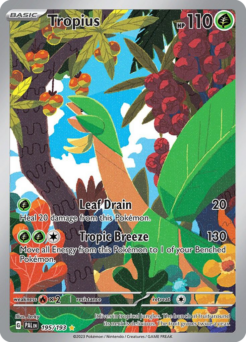
Paldea Evolved
It lives in tropical jungles. The bunch of fruit around its neck is delicious. The fruit grows twice a year.
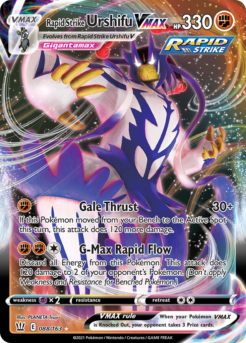
Battle Styles
If this Pokémon moved from your Bench to the Active Spot this turn, this attack does 120 more damage.
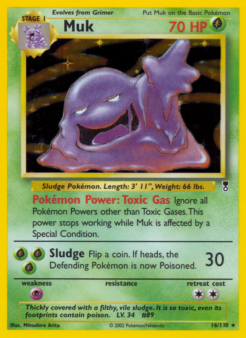
Base
Thickly covered with a filthy, vile sludge. It is so toxic, even its footprints contain poison.

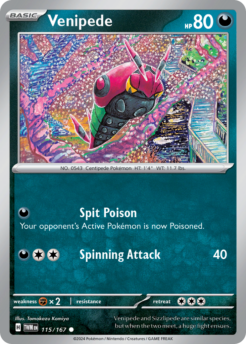
Scarlet & Violet
Venipede and Sizzlipede are similar species, but when the two meet, a huge fight ensues.
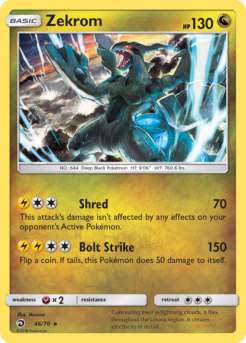
Dragon Majesty
Concealing itself in lightning clouds, it flies throughout the Unova region. It creates electricity in its tail.
Produtos Relacionados
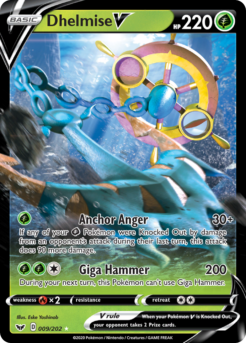
Sword & Shield
If any of your Grass Pokémon were Knocked Out by damage from an opponent’s attack during their last turn, this attack does 90 more damage.
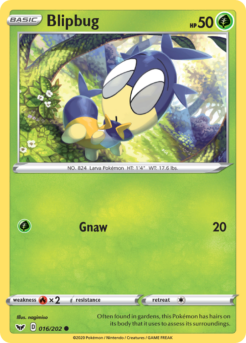
Sword & Shield
Often found in gardens, this Pokémon has hairs on its body that it uses to assess its surroundings.
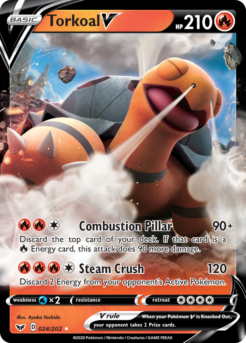
Sword & Shield
Discard the top card of your deck. If that card is a Fire Energy card, this attack does 90 more damage.
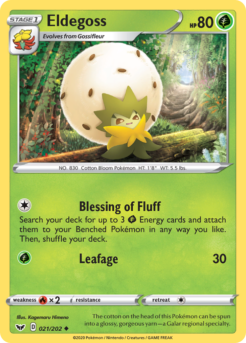
Sword & Shield
The cotton on the head of this Pokémon can be spun into a glossy, gorgeous yarn—a Galar regional specialty.
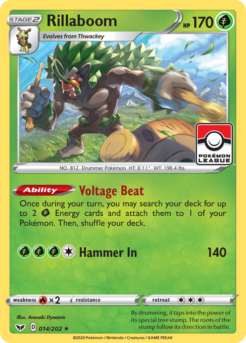
Sword & Shield
By drumming, it taps into the power of its special tree stump. The roots of the stump follow its direction in battle.

Sword & Shield
Search your deck for up to 2 Pokémon, reveal them, and put them into your hand. Then, shuffle your deck.
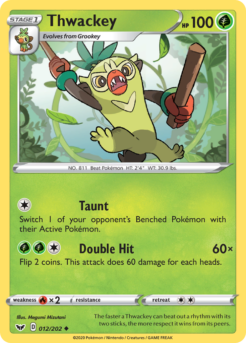
Sword & Shield
The faster a Thwackey can beat out a rhythm with its two sticks, the more respect it wins from its peers.
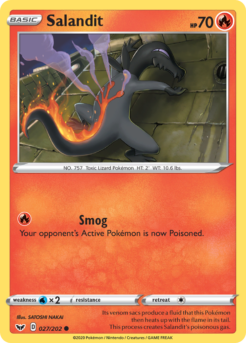
Sword & Shield
Its venom sacs produce a fluid that this Pokémon then heats up with the flame in its tail. This process creates Salandit's poisonous gas.