



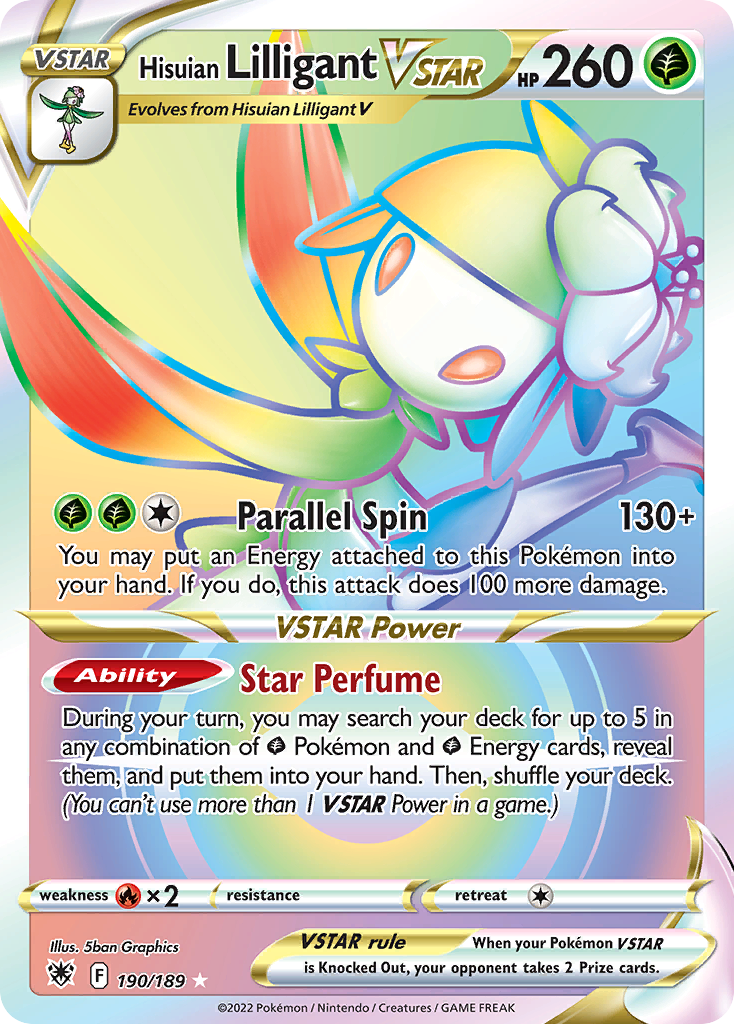
You may put an Energy attached to this Pokémon into your hand. If you do, this attack does 100 more damage.
| Supertype | Pokémon |
|---|---|
| Subtype | VSTAR |
| HP | 260 |
| Types | Grass |
| Attack | Parallel Spin |
| Attack cost | Grass |
| Artist | 5ban Graphics |
| Rarity | Rare Rainbow |
| Pokédex | 549 |
| Evolves from | Hisuian Lilligant V |
Vendor Information
- Store Name: DutchGem
- Vendor: DutchGem
-
Address:
gekkestraat
179
2345GT Utrecht
Celestial Storm
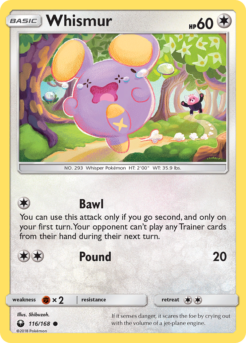
If it senses danger, it scares the foe by crying out with the volume of a jet-plane engine.
Base
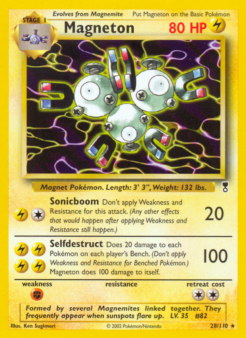
Formed by several Magnemites linked together. They frequently appear when sunspots flare up.
Base
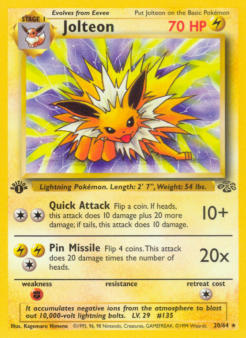
It accumulates negative ions from the atmosphere to blast out 10,000-volt lightning bolts.
Produtos Relacionados
Sword & Shield
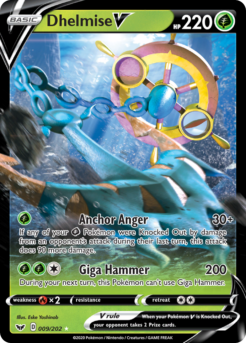
If any of your Grass Pokémon were Knocked Out by damage from an opponent’s attack during their last turn, this attack does 90 more damage.
Sword & Shield
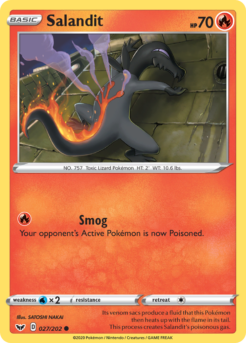
Its venom sacs produce a fluid that this Pokémon then heats up with the flame in its tail. This process creates Salandit's poisonous gas.
Sword & Shield
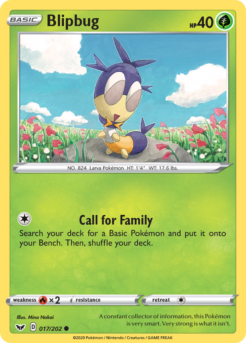
A constant collector of information, this Pokémon is very smart. Very strong is what it isn't.
Sword & Shield
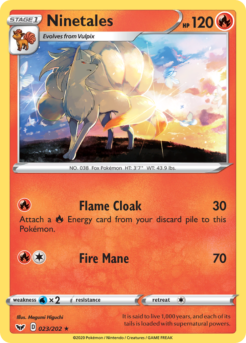
It is said to live 1,000 years, and each of its tails is loaded with supernatural powers.
Sword & Shield
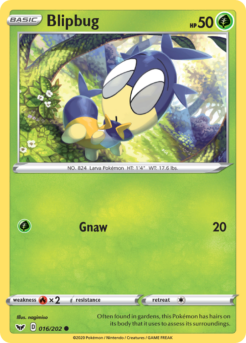
Often found in gardens, this Pokémon has hairs on its body that it uses to assess its surroundings.
Sword & Shield
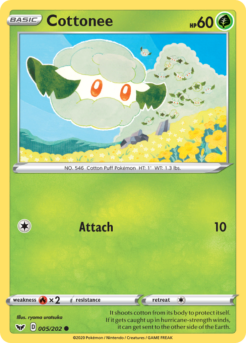
It shoots cotton from its body to protect itself. If it gets caught up in hurricane-strength winds, it can get sent to the other side of the Earth.
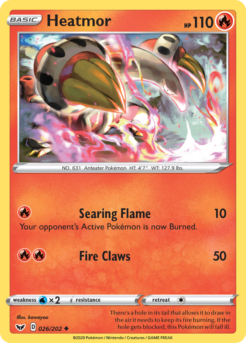
Sword & Shield
There's a hole in its tail that allows it to draw in the air it needs to keep its fire burning. If the hole gets blocked, this Pokémon will fall ill.
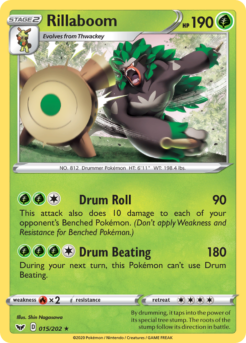
Sword & Shield
By drumming, it taps into the power of its special tree stump. The roots of the stump follow its direction in battle.