



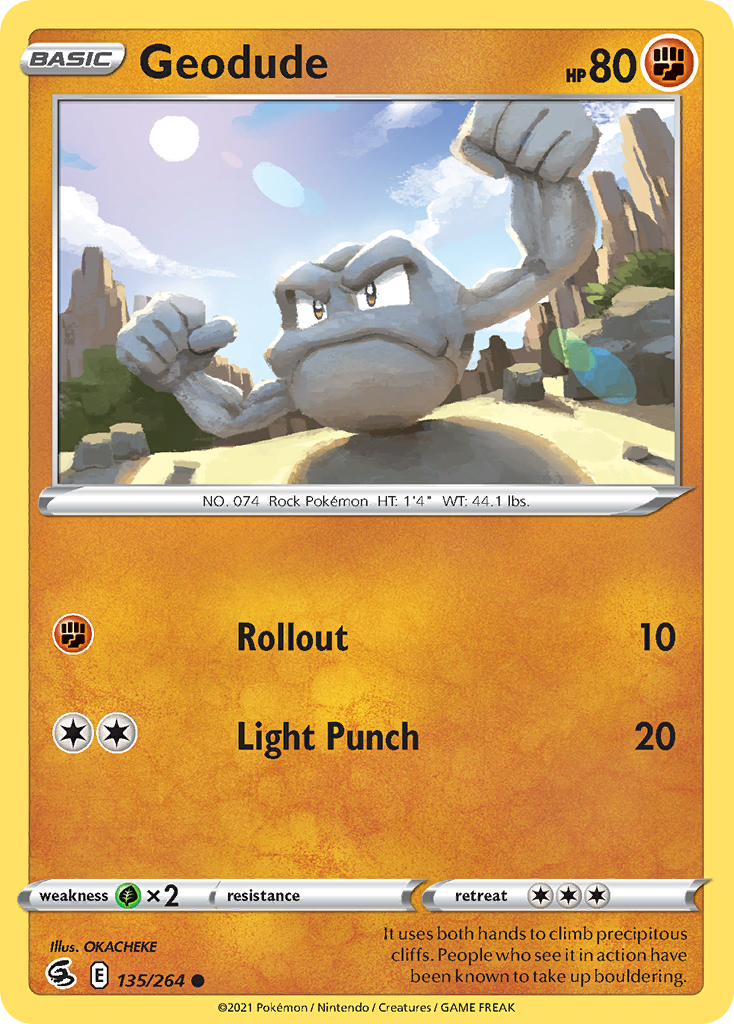
Geodude
It uses both hands to climb precipitous cliffs. People who see it in action have been known to take up bouldering.
| Supertype | Pokémon |
|---|---|
| Subtype | Basic |
| HP | 80 |
| Types | Fighting |
| Attack | Rollout |
| Attack cost | Fighting |
| Artist | OKACHEKE |
| Rarity | Common |
| Pokédex | 74 |
| Evolves to | Graveler |
Vendor Information
- Store Name: DutchGem
- Vendor: DutchGem
-
Address:
gekkestraat
179
2345GT Utrecht
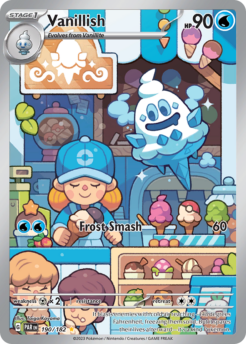
Paradox Rift
It blasts enemies with cold air reaching −148 degrees Fahrenheit, freezing them solid. But it spares their lives afterward—it's a kind Pokémon.
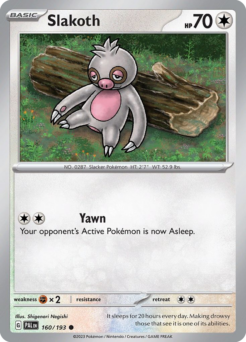
Paldea Evolved
It sleeps for 20 hours every day. Making drowsy those that see it is one of its abilities.

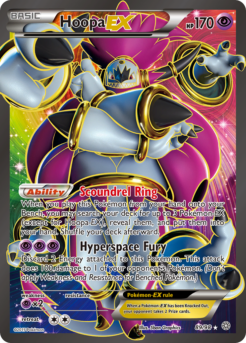
Ancient Origins
Discard 2 Energy attached to this Pokémon. This attack does 100 damage to 1 of your opponent’s Pokémon. (Don’t apply Weakness and Resistance for Benched Pokémon.)
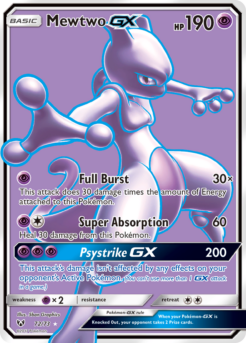
Shining Legends
This attack does 30 damage times the amount of Energy attached to this Pokémon.
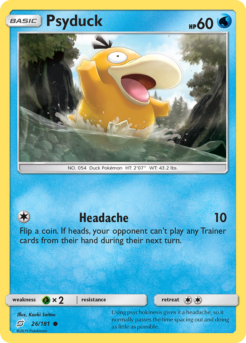
Sun & Moon
Using psychokinesis gives it a headache, so it normally passes the time spacing out and doing as little as possible.
Produtos Relacionados
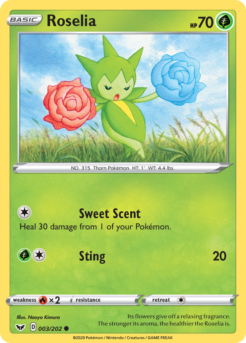
Sword & Shield
Its flowers give off a relaxing fragrance. The stronger its aroma, the healthier the Roselia is.
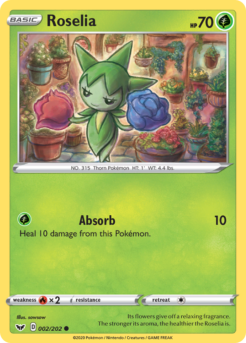
Sword & Shield
Its flowers give off a relaxing fragrance. The stronger its aroma, the healthier the Roselia is.
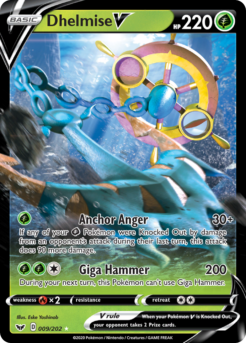
Sword & Shield
If any of your Grass Pokémon were Knocked Out by damage from an opponent’s attack during their last turn, this attack does 90 more damage.
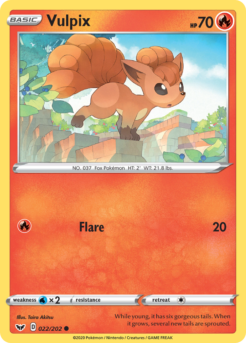
Sword & Shield
While young, it has six gorgeous tails. When it grows, several new tails are sprouted.
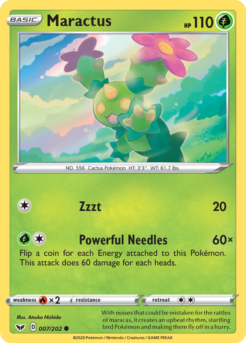
Sword & Shield
With noises that could be mistaken for the rattles of maracas, it creates an upbeat rhythm, startling bird Pokémon and making them fly off in a hurry.
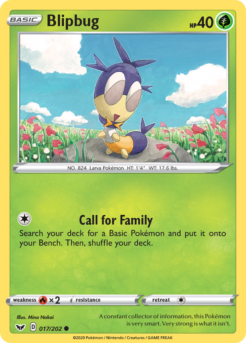
Sword & Shield
A constant collector of information, this Pokémon is very smart. Very strong is what it isn't.
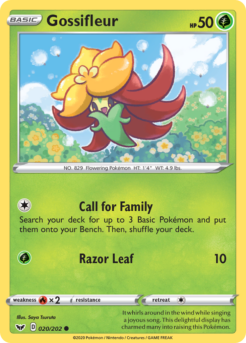
Sword & Shield
It whirls around in the wind while singing a joyous song. This delightful display has charmed many into raising this Pokémon.
Sword & Shield
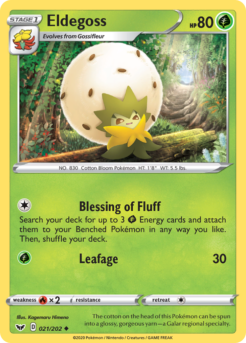
The cotton on the head of this Pokémon can be spun into a glossy, gorgeous yarn—a Galar regional specialty.