



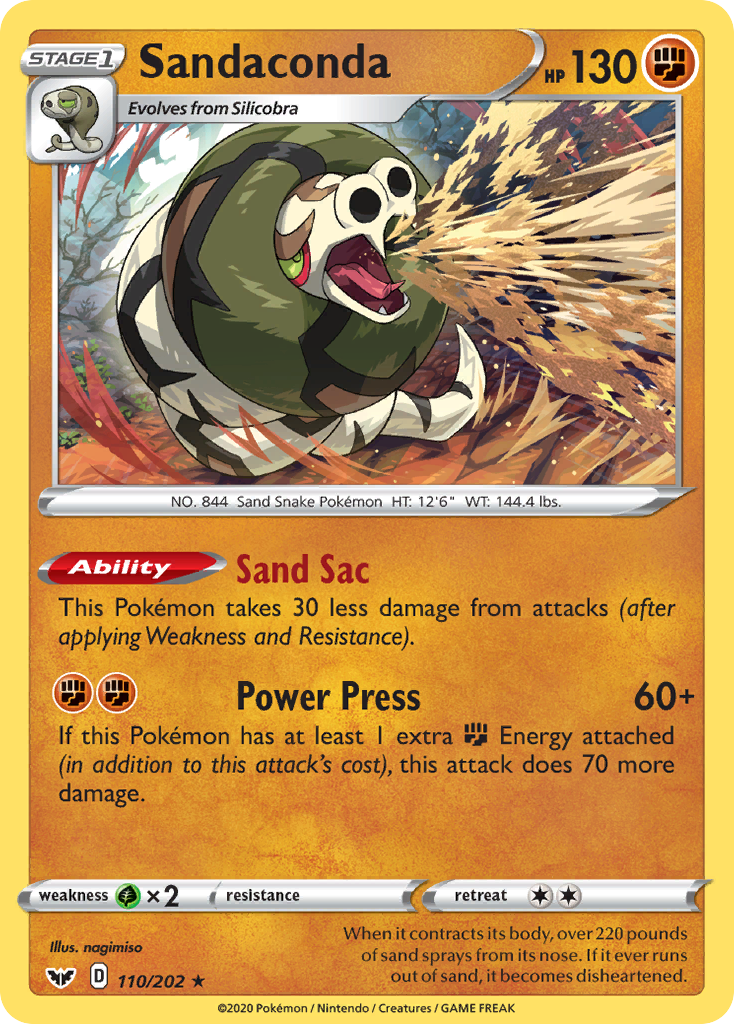
Sandaconda
When it contracts its body, over 220 pounds of sand sprays from its nose. If it ever runs out of sand, it becomes disheartened.
If this Pokémon has at least 1 extra Fighting Energy attached (in addition to this attack’s cost), this attack does 70 more damage.
| Supertype | Pokémon |
|---|---|
| Subtype | Stage 1 |
| HP | 130 |
| Types | Fighting |
| Attack | Power Press |
| Attack cost | Fighting |
| Artist | nagimiso |
| Rarity | Rare Holo |
| Pokédex | 844 |
| Evolves from | Silicobra |
Vendor Information
- Store Name: DutchGem
- Vendor: DutchGem
-
Address:
gekkestraat
179
2345GT Utrecht
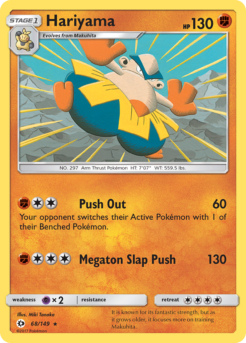
Sun & Moon
It is known for its fantastic strength, but as it grows older, it focuses more on training Makuhita.
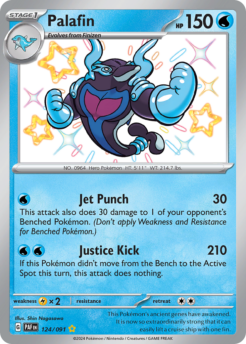
Paldean Fates
This Pokémon's ancient genes have awakened. It is now so extraordinarily strong that it can easily lift a cruise ship with one fin.
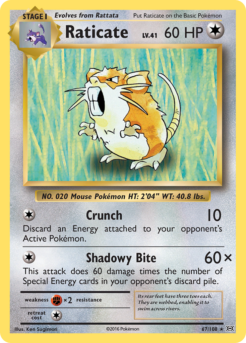
Evolutions
Its rear feet have three toes each. They are webbed, enabling it to swim across rivers.
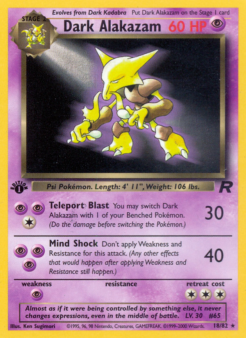
Base
Almost as if it were being controlled by something else, it never changes expressions, even in the middle of battle.


Produtos Relacionados
Sword & Shield
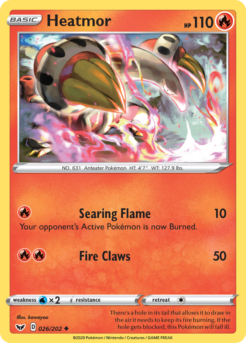
There's a hole in its tail that allows it to draw in the air it needs to keep its fire burning. If the hole gets blocked, this Pokémon will fall ill.
Sword & Shield
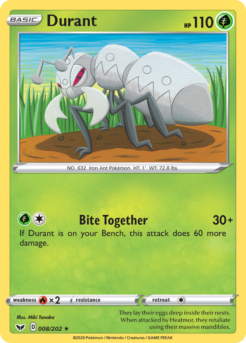
They lay their eggs deep inside their nests. When attacked by Heatmor, they retaliate using their massive mandibles.
Sword & Shield
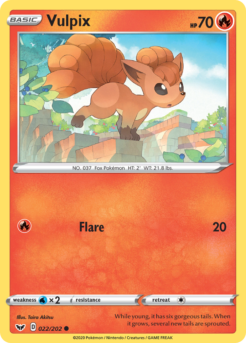
While young, it has six gorgeous tails. When it grows, several new tails are sprouted.
Sword & Shield
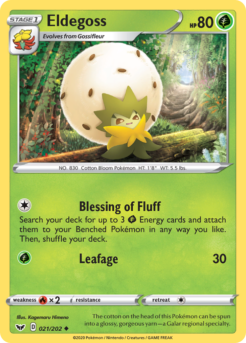
The cotton on the head of this Pokémon can be spun into a glossy, gorgeous yarn—a Galar regional specialty.
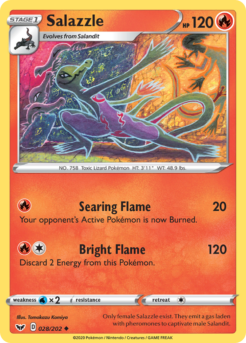
Sword & Shield
Only female Salazzle exist. They emit a gas laden with pheromones to captivate male Salandit.
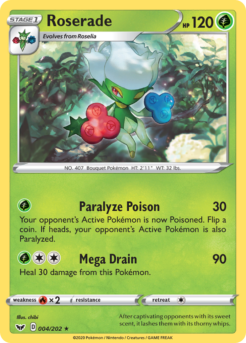
Sword & Shield
After captivating opponents with its sweet scent, it lashes them with its thorny whips.
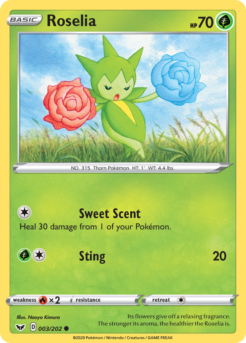
Sword & Shield
Its flowers give off a relaxing fragrance. The stronger its aroma, the healthier the Roselia is.
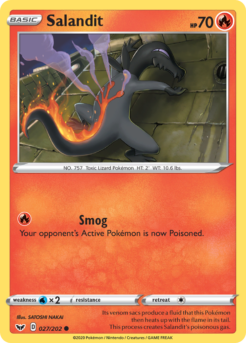
Sword & Shield
Its venom sacs produce a fluid that this Pokémon then heats up with the flame in its tail. This process creates Salandit's poisonous gas.