



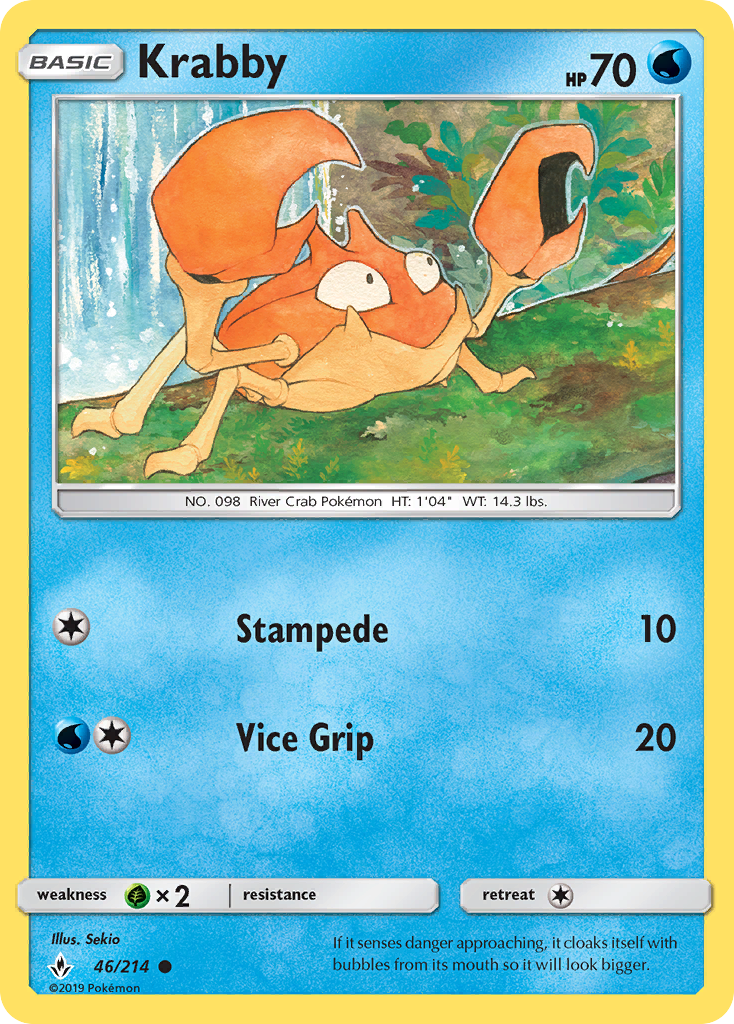
Krabby
If it senses danger approaching, it cloaks itself with bubbles from its mouth so it will look bigger.
| Supertype | Pokémon |
|---|---|
| Subtype | Basic |
| HP | 70 |
| Types | Water |
| Attack | Stampede |
| Attack cost | Colorless |
| Artist | Sekio |
| Rarity | Common |
| Pokédex | 98 |
| Evolves to | Kingler |
Vendor Information
- Store Name: DutchGem
- Vendor: DutchGem
-
Address:
gekkestraat
179
2345GT Utrecht
Base
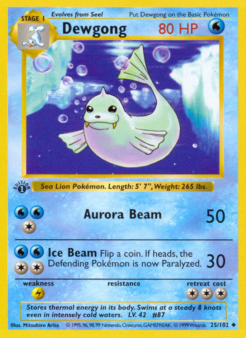
Stores thermal energy in its body. Swims at a steady 8 knots even in intensely cold waters.
Scarlet & Violet
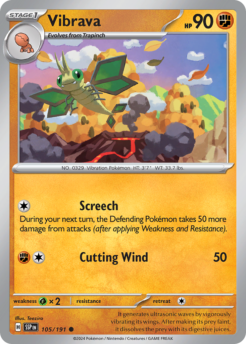
During your next turn, the Defending Pokémon takes 50 more damage from attacks (after applying Weakness and Resistance).
Scarlet & Violet
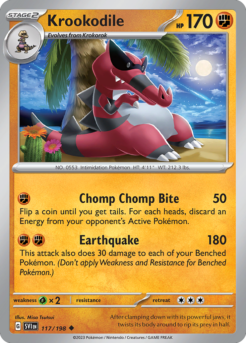
After clamping down with its powerful jaws, it twists its body around to rip its prey in half.
Roaring Skies
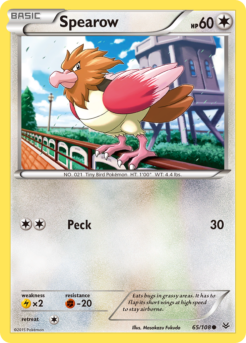
Eats bugs in grassy areas. It has to flap its short wings at high speed to stay airborne.
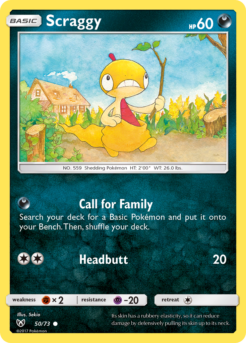
Shining Legends
Its skin has a rubbery elasticity, so it can reduce damage by defensively pulling its skin up to its neck.
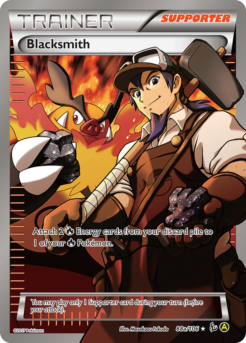
Produtos Relacionados
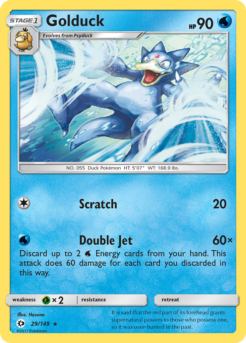
Sun & Moon
It is said that the red part of its forehead grants supernatural powers to those who posses one, so it was over-hunted in the past.
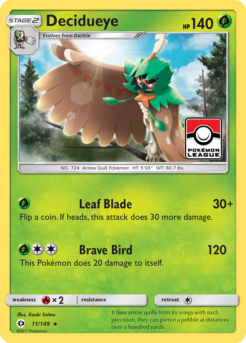
Sun & Moon
It fires arrow quills from its wings with such precision, they can pierce a pebble at distances over a hundred yards.
Sun & Moon
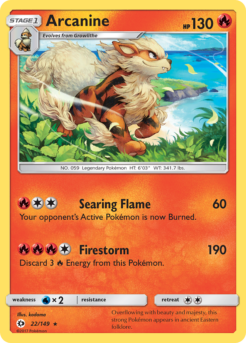
Overflowing with beauty and majesty, this strong Pokémon appears in ancient Eastern folklore.
Sun & Moon
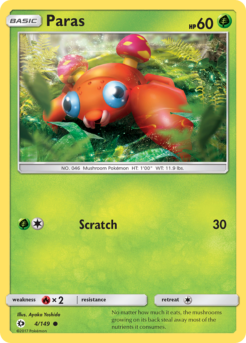
No matter how much it eats, the mushrooms growing on its back steal away most of the nutrients it consumes.
Sun & Moon
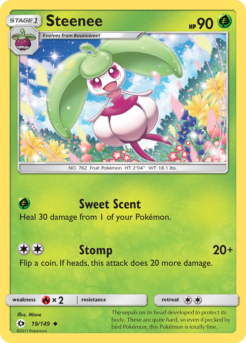
The sepals on its head developed to protect its body. These are quite hard, so even if pecked by bird Pokémon, this Pokémon is totally fine.
Sun & Moon
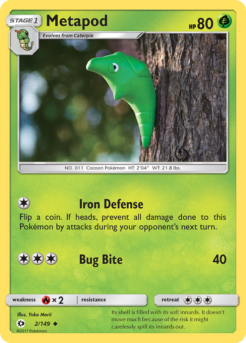
Its shell is filled with its soft innards. It doesn't move much because of the risk it might carelessly spill its innards out.
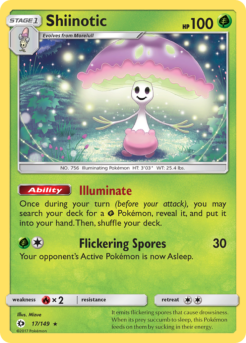
Sun & Moon
It emits flickering spores that cause drowsiness. When its prey succumb to sleep, this Pokémon feeds on them by sucking in their energy.
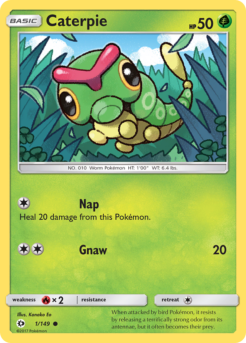
Sun & Moon
When attacked by bird Pokémon, it resists by releasing a terrifically strong odor from its antennae, but it often becomes their prey.