



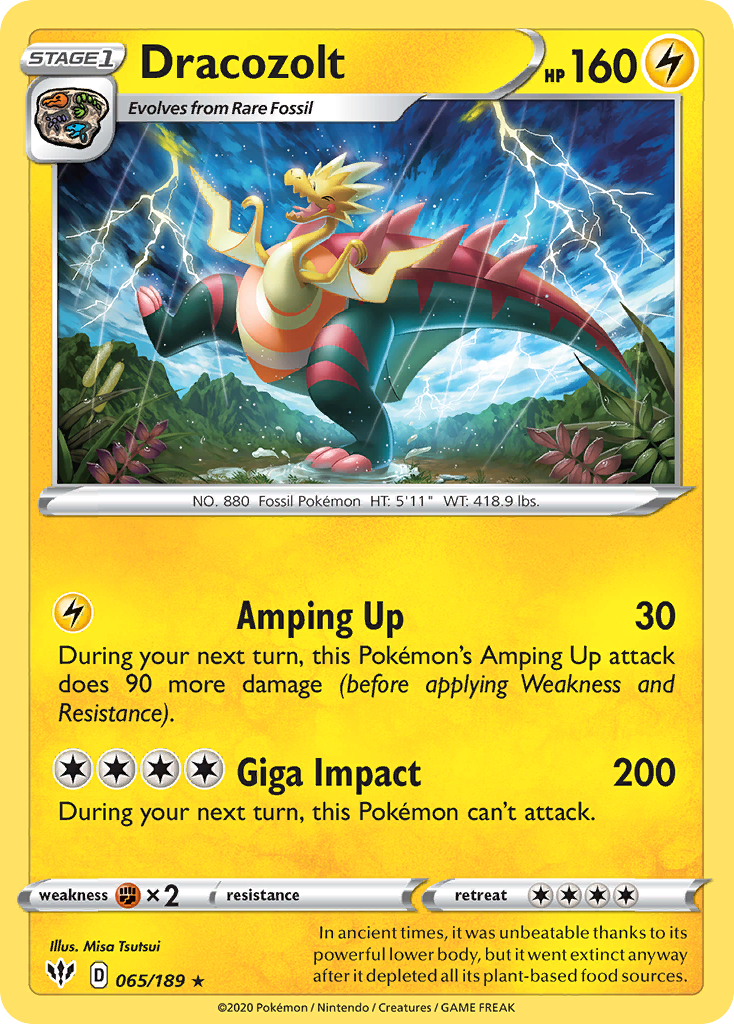
Dracozolt
In ancient times, it was unbeatable thanks to its powerful lower body, but it went extinct anyway after it depleted all its plant-based food sources.
During your next turn, this Pokémon’s Amping Up attack does 90 more damage (before applying Weakness and Resistance).
| Supertype | Pokémon |
|---|---|
| Subtype | Stage 1 |
| HP | 160 |
| Types | Lightning |
| Attack | Amping Up |
| Attack cost | Lightning |
| Artist | Misa Tsutsui |
| Rarity | Rare |
| Pokédex | 880 |
| Evolves from | Rare Fossil |
Vendor Information
- Store Name: DutchGem
- Vendor: DutchGem
-
Address:
gekkestraat
179
2345GT Utrecht
Scarlet & Violet
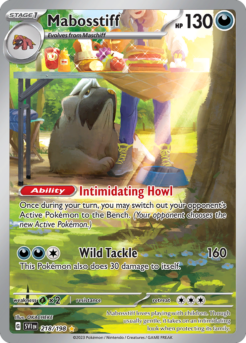
Mabosstiff loves playing with children. Though usually gentle, it takes on an intimidating look when protecting its family.

Paldea Evolved
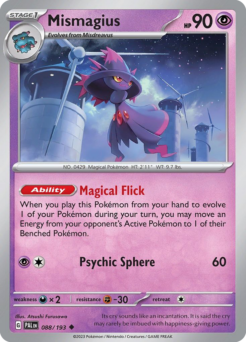
Its cry sounds like an incantation. It is said the cry may rarely be imbued with happiness-giving power.

Sword & Shield
This attack does 50 more damage for each Energy attached to your opponent’s Active Pokémon.
Produtos Relacionados
Sword & Shield
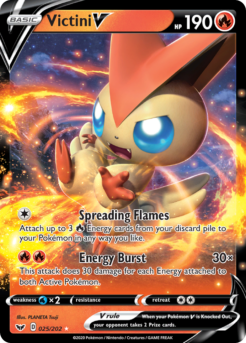
Attach up to 3 Fire Energy cards from your discard pile to your Pokémon in any way you like.
Sword & Shield
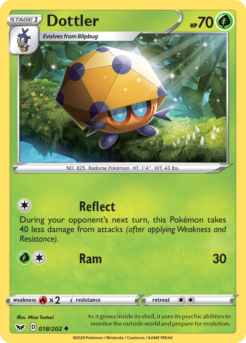
As it grows inside its shell, it uses its psychic abilities to monitor the outside world and prepare for evolution.
Sword & Shield
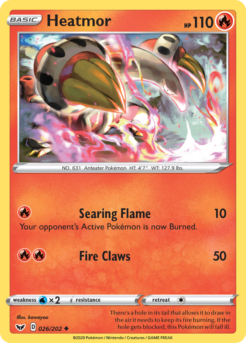
There's a hole in its tail that allows it to draw in the air it needs to keep its fire burning. If the hole gets blocked, this Pokémon will fall ill.
Sword & Shield
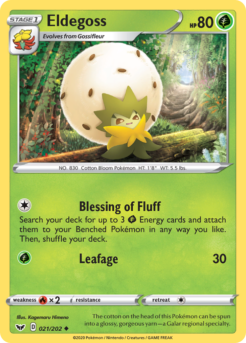
The cotton on the head of this Pokémon can be spun into a glossy, gorgeous yarn—a Galar regional specialty.
Sword & Shield
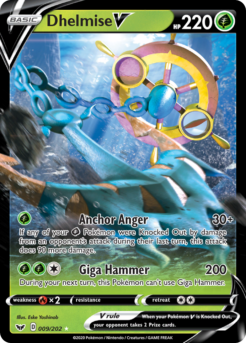
If any of your Grass Pokémon were Knocked Out by damage from an opponent’s attack during their last turn, this attack does 90 more damage.
Sword & Shield
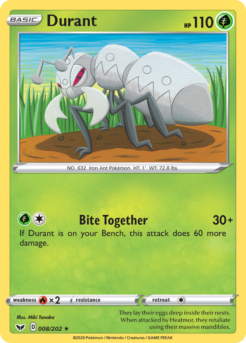
They lay their eggs deep inside their nests. When attacked by Heatmor, they retaliate using their massive mandibles.
Sword & Shield
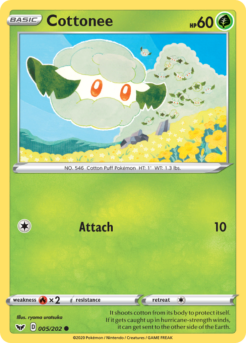
It shoots cotton from its body to protect itself. If it gets caught up in hurricane-strength winds, it can get sent to the other side of the Earth.
Sword & Shield
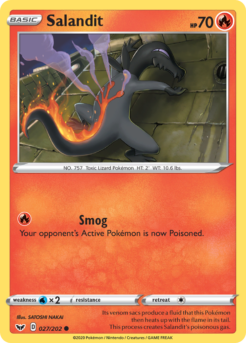
Its venom sacs produce a fluid that this Pokémon then heats up with the flame in its tail. This process creates Salandit's poisonous gas.