



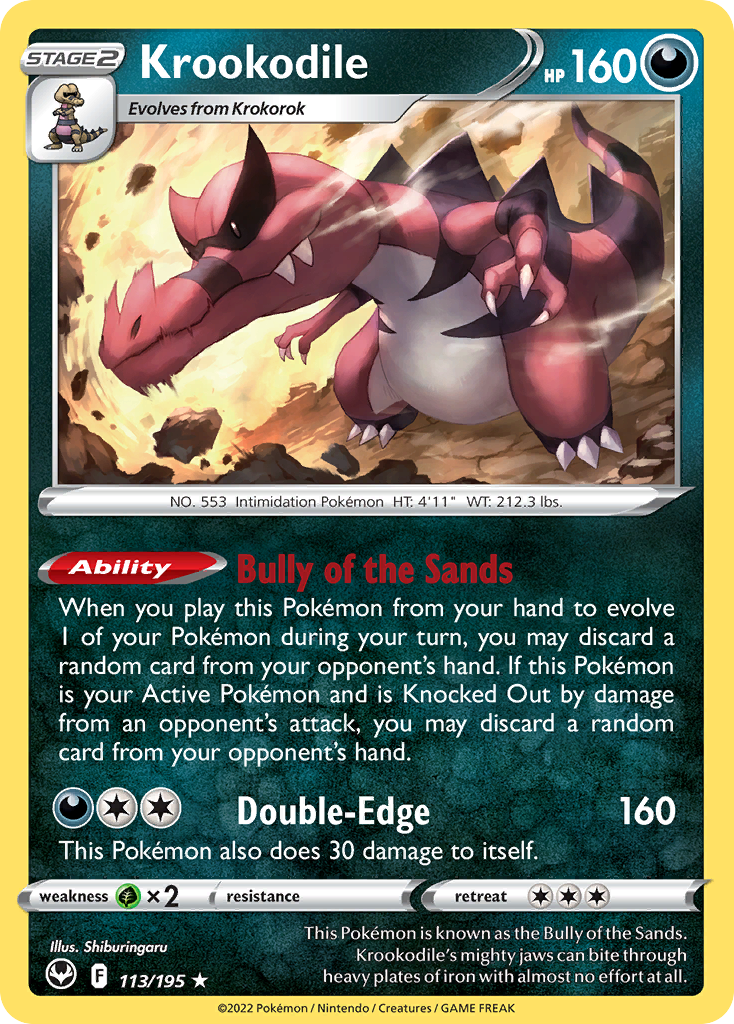
Krookodile


This Pokémon is known as the Bully of the Sands. Krookodile’s mighty jaws can bite through heavy plates of iron with almost no effort at all.

This Pokémon also does 30 damage to itself.
| Supertype | Pokémon |
|---|---|
| Subtype | Stage 2 |
| HP | 160 |
| Types | Darkness |
| Attack | Double-Edge |
| Attack cost | Darkness |
| Artist | Shiburingaru |
| Rarity | Rare Holo |
| Pokédex | 553 |
| Evolves from | Krokorok |
Vendor Information
- Store Name: DutchGem
- Vendor: DutchGem
-
Address:
gekkestraat
179
2345GT Utrecht
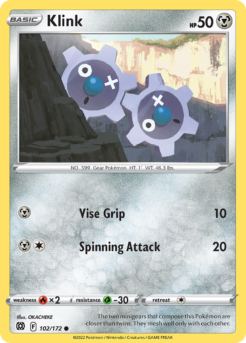
Brilliant Stars
The two minigears that compose this Pokémon are closer than twins. They mesh well only with each other.

BREAKthrough
It's good at finding berries and gathers them from all over. It's kind enough to share them with friends.

Rebel Clash
It's highly skilled at tap-dancing. It waves its cane of ice in time with its graceful movements.

Sun & Moon
This legendary ice Pokémon waits for a hero to fill in the missing parts of its body with truth or ideals.
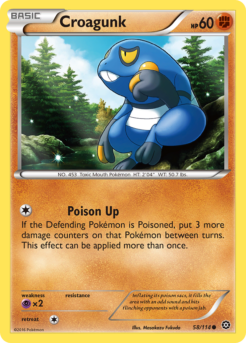
Steam Siege
Inflating its poison sacs, it fills the area with an odd sound and hits flinching opponents with a poison jab.
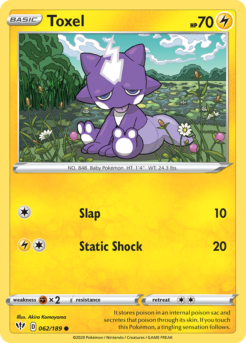
Darkness Ablaze
It stores poison in an internal poison sac and secretes that poison through its skin. If you touch this Pokémon, a tingling sensation follows.
Produtos Relacionados

Sword & Shield
If any of your Grass Pokémon were Knocked Out by damage from an opponent’s attack during their last turn, this attack does 90 more damage.
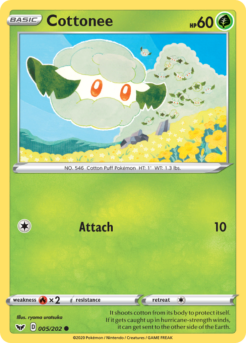
Sword & Shield
It shoots cotton from its body to protect itself. If it gets caught up in hurricane-strength winds, it can get sent to the other side of the Earth.
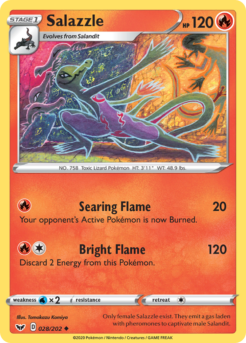
Sword & Shield
Only female Salazzle exist. They emit a gas laden with pheromones to captivate male Salandit.
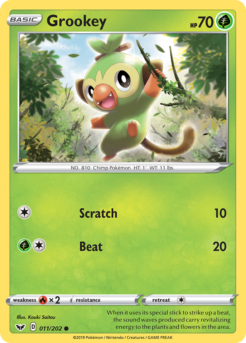
Sword & Shield
When it uses its special stick to strike up a beat, the sound waves produced carry revitalizing energy to the plants and flowers in the area.
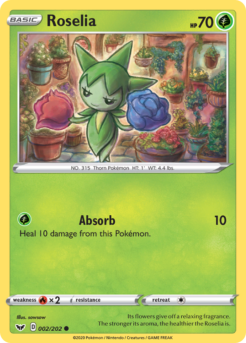
Sword & Shield
Its flowers give off a relaxing fragrance. The stronger its aroma, the healthier the Roselia is.
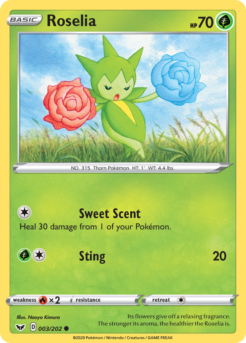
Sword & Shield
Its flowers give off a relaxing fragrance. The stronger its aroma, the healthier the Roselia is.
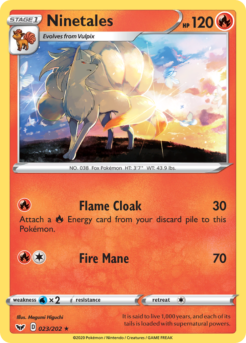
Sword & Shield
It is said to live 1,000 years, and each of its tails is loaded with supernatural powers.
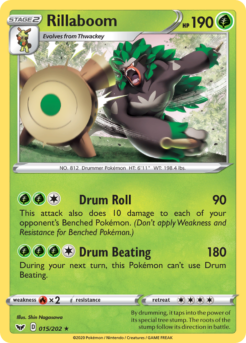
Sword & Shield
By drumming, it taps into the power of its special tree stump. The roots of the stump follow its direction in battle.