



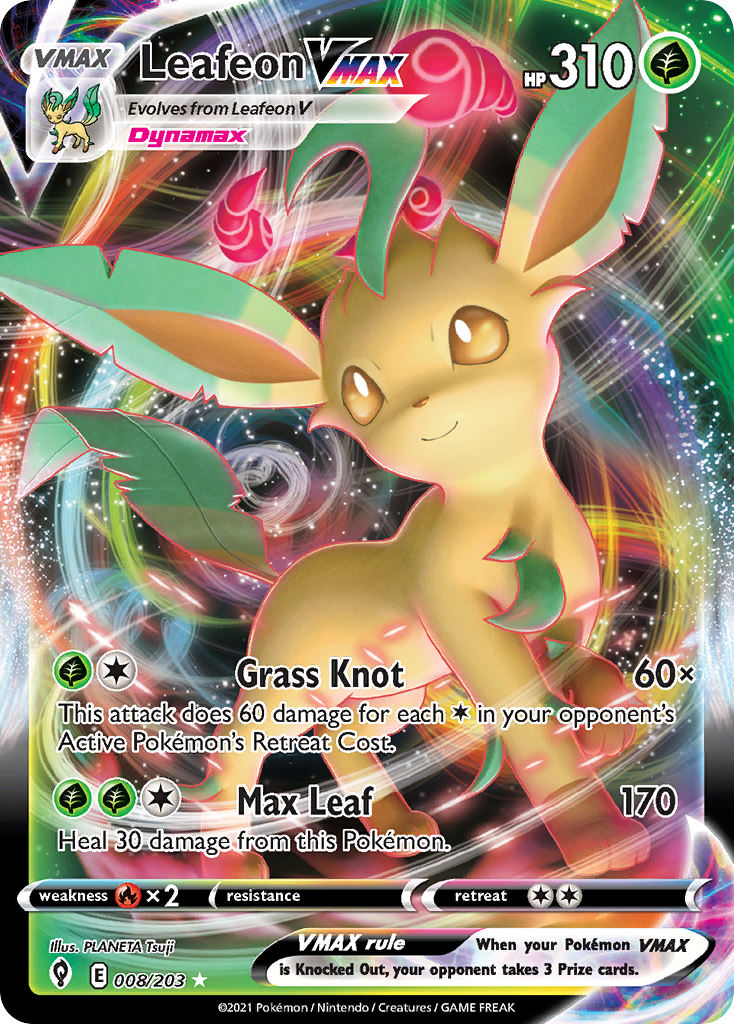
This attack does 60 damage for each Colorless in your opponent’s Active Pokémon’s Retreat Cost.
| Supertype | Pokémon |
|---|---|
| Subtype | VMAX |
| HP | 310 |
| Types | Grass |
| Attack | Grass Knot |
| Attack cost | Grass |
| Artist | PLANETA Tsuji |
| Rarity | Rare Holo VMAX |
| Pokédex | 470 |
| Evolves from | Leafeon V |
Vendor Information
- Store Name: DutchGem
- Vendor: DutchGem
-
Address:
gekkestraat
179
2345GT Utrecht
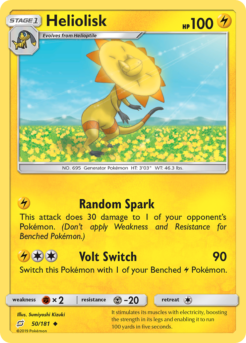
Sun & Moon
It stimulates its muscles with electricity, boosting the strength in its legs and enabling it to run 100 yards in five seconds.
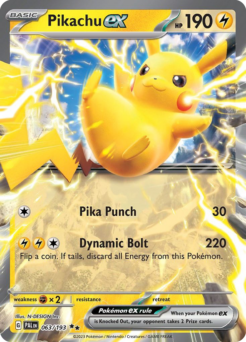
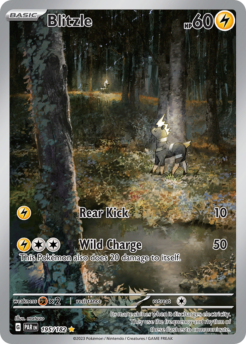
Paradox Rift
Its mane shines when it discharges electricity. They use the frequency and rhythm of these flashes to communicate.
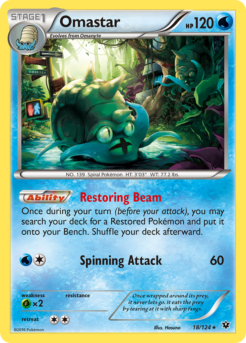
Fates Collide
Once wrapped around its prey, it never lets go. It eats the prey by tearing at it with sharp fangs.
Furious Fists
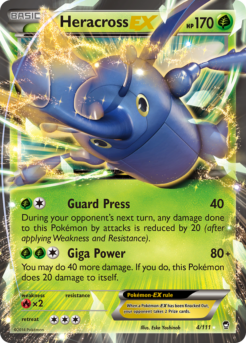
During your opponent’s next turn, any damage done to this Pokémon by attacks is reduced by 20 (after applying Weakness and Resistance).
Sun & Moon
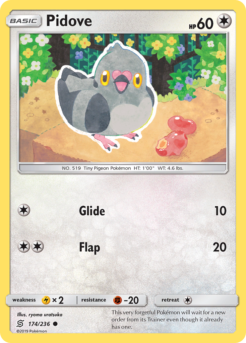
This very forgetful Pokémon will wait for a new order from its Trainer even though it already has one.