



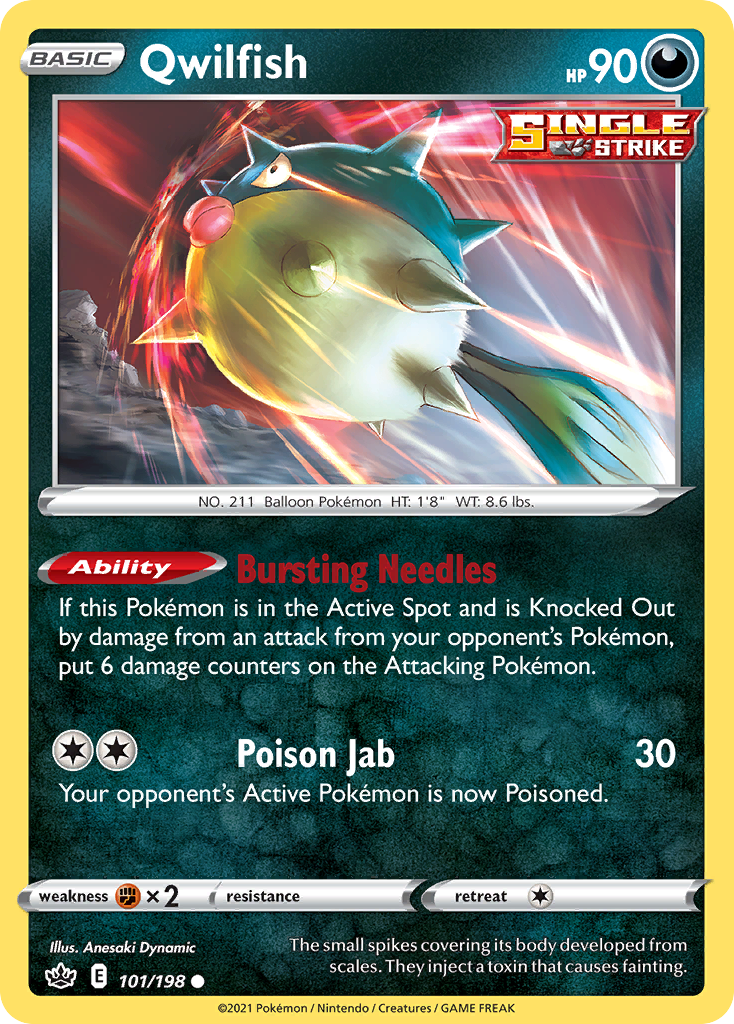
Qwilfish
The small spikes covering its body developed from scales. They inject a toxin that causes fainting.
Your opponent’s Active Pokémon is now Poisoned.
| Supertype | Pokémon |
|---|---|
| Subtype | Basic |
| HP | 90 |
| Types | Darkness |
| Attack | Poison Jab |
| Attack cost | Colorless |
| Artist | Anesaki Dynamic |
| Rarity | Common |
| Pokédex | 211 |
Vendor Information
- Store Name: DutchGem
- Vendor: DutchGem
-
Address:
gekkestraat
179
2345GT Utrecht
Sun & Moon
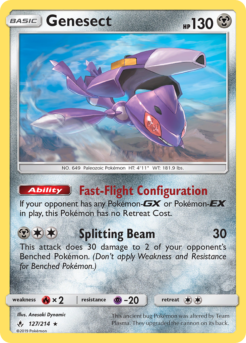
This ancient bug Pokémon was altered by Team Plasma. They upgraded the cannon on its back.
Brilliant Stars
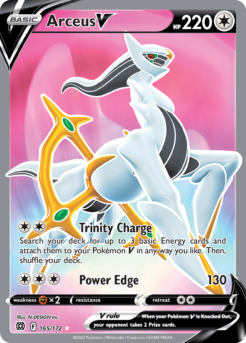
Search your deck for up to 3 basic Energy cards and attach them to your Pokémon V in any way you like. Then, shuffle your deck.
Produtos Relacionados
Sword & Shield
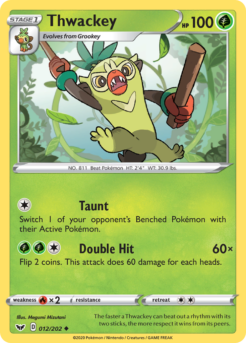
The faster a Thwackey can beat out a rhythm with its two sticks, the more respect it wins from its peers.
Sword & Shield
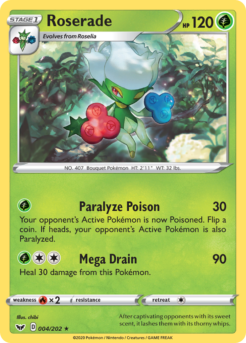
After captivating opponents with its sweet scent, it lashes them with its thorny whips.
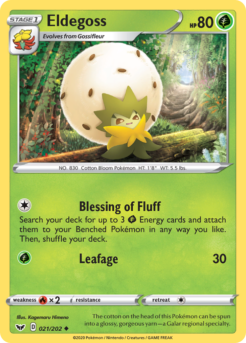
Sword & Shield
The cotton on the head of this Pokémon can be spun into a glossy, gorgeous yarn—a Galar regional specialty.
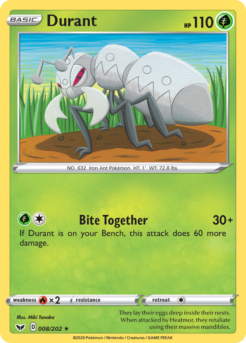
Sword & Shield
They lay their eggs deep inside their nests. When attacked by Heatmor, they retaliate using their massive mandibles.
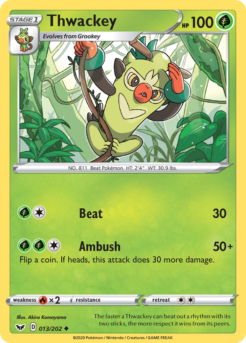
Sword & Shield
The faster a Thwackey can beat out a rhythm with its two sticks, the more respect it wins from its peers.
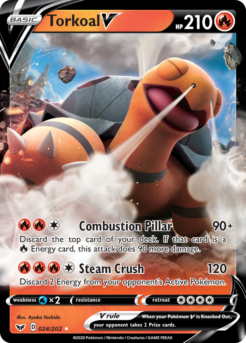
Sword & Shield
Discard the top card of your deck. If that card is a Fire Energy card, this attack does 90 more damage.
Sword & Shield
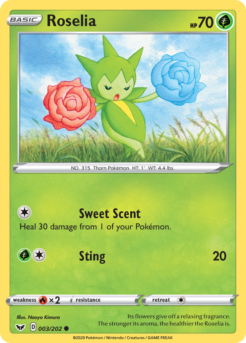
Its flowers give off a relaxing fragrance. The stronger its aroma, the healthier the Roselia is.
Sword & Shield
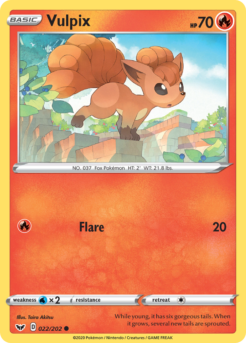
While young, it has six gorgeous tails. When it grows, several new tails are sprouted.