



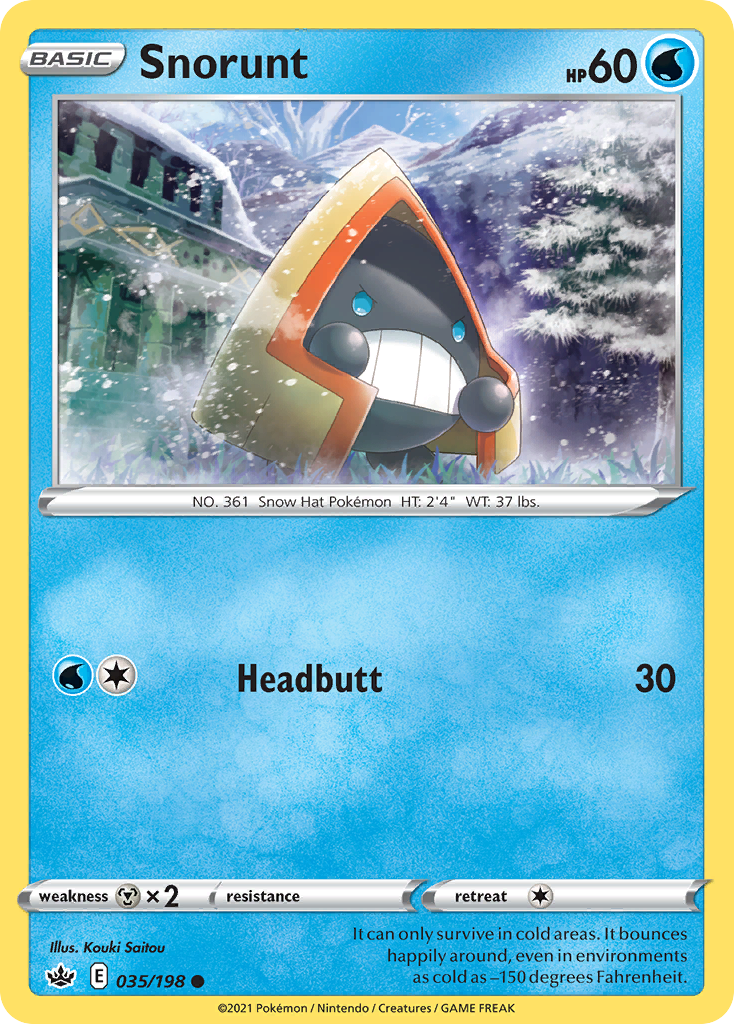
Snorunt
It can only survive in cold areas. It bounces happily around, even in environments as cold as −150 degrees Fahrenheit.

| Supertype | Pokémon |
|---|---|
| Subtype | Basic |
| HP | 60 |
| Types | Water |
| Attack | Headbutt |
| Attack cost | Water |
| Artist | Kouki Saitou |
| Rarity | Common |
| Pokédex | 361 |
| Evolves to | Glalie |
Vendor Information
- Store Name: DutchGem
- Vendor: DutchGem
-
Address:
gekkestraat
179
2345GT Utrecht
Hidden Fates
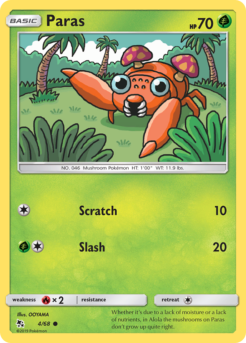
Whether it's due to a lack of moisture or a lack of nutrients, in Alola the mushrooms on Paras don't grow up quite right.
Lost Origin
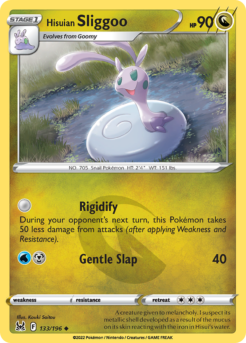
A creature given to melancholy. I suspect its metallic shell developed as a result of the mucus on its skin reacting with the iron in Hisui's water.
Chilling Reign
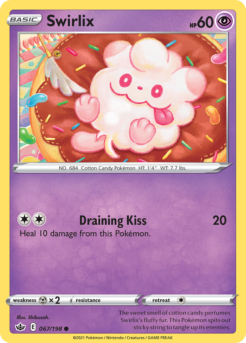
The sweet smell of cotton candy perfumes Swirlix's fluffy fur. This Pokémon spits out sticky string to tangle up its enemies.

Lost Thunder
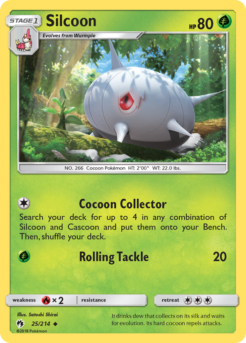
It drinks dew that collects on its silk and waits for evolution. Its hard cocoon repels attacks.
Brilliant Stars
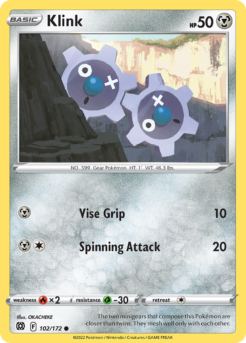
The two minigears that compose this Pokémon are closer than twins. They mesh well only with each other.
Produtos Relacionados
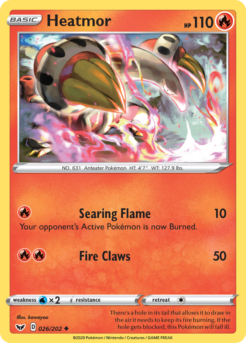
Sword & Shield
There's a hole in its tail that allows it to draw in the air it needs to keep its fire burning. If the hole gets blocked, this Pokémon will fall ill.
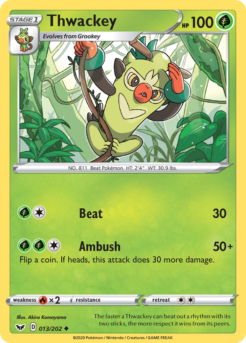
Sword & Shield
The faster a Thwackey can beat out a rhythm with its two sticks, the more respect it wins from its peers.
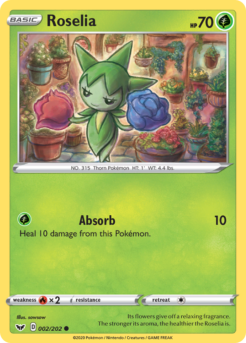
Sword & Shield
Its flowers give off a relaxing fragrance. The stronger its aroma, the healthier the Roselia is.
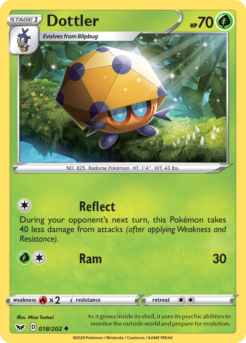
Sword & Shield
As it grows inside its shell, it uses its psychic abilities to monitor the outside world and prepare for evolution.

Sword & Shield
Search your deck for up to 2 Pokémon, reveal them, and put them into your hand. Then, shuffle your deck.
Sword & Shield
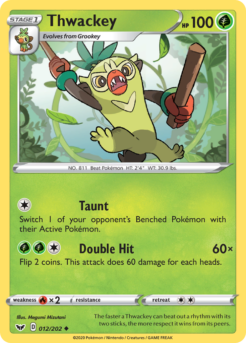
The faster a Thwackey can beat out a rhythm with its two sticks, the more respect it wins from its peers.
Sword & Shield
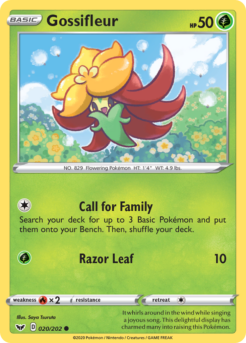
It whirls around in the wind while singing a joyous song. This delightful display has charmed many into raising this Pokémon.
Sword & Shield
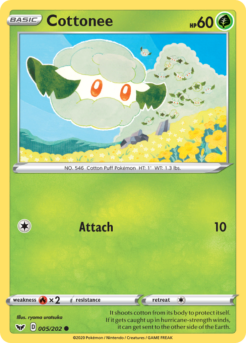
It shoots cotton from its body to protect itself. If it gets caught up in hurricane-strength winds, it can get sent to the other side of the Earth.